
Last updated November 15, 2026
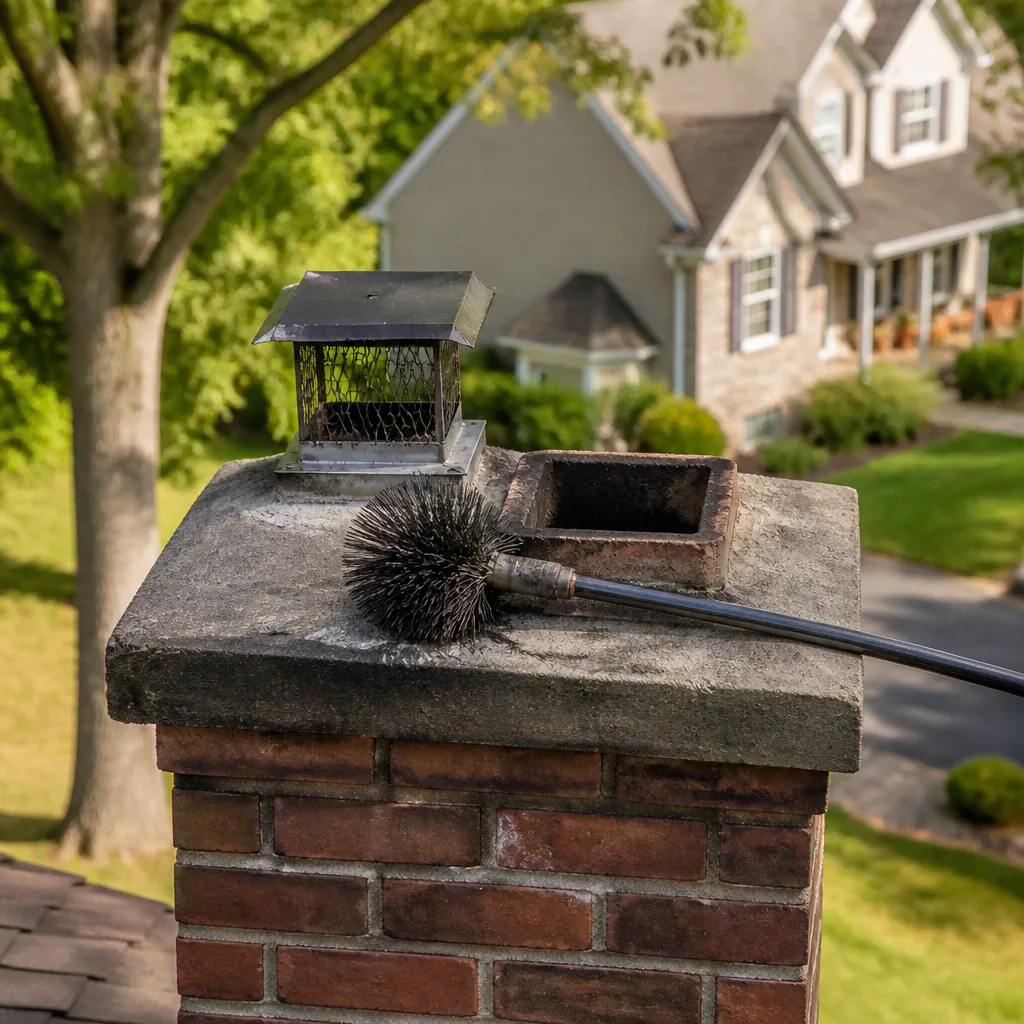 Sweep & inspection
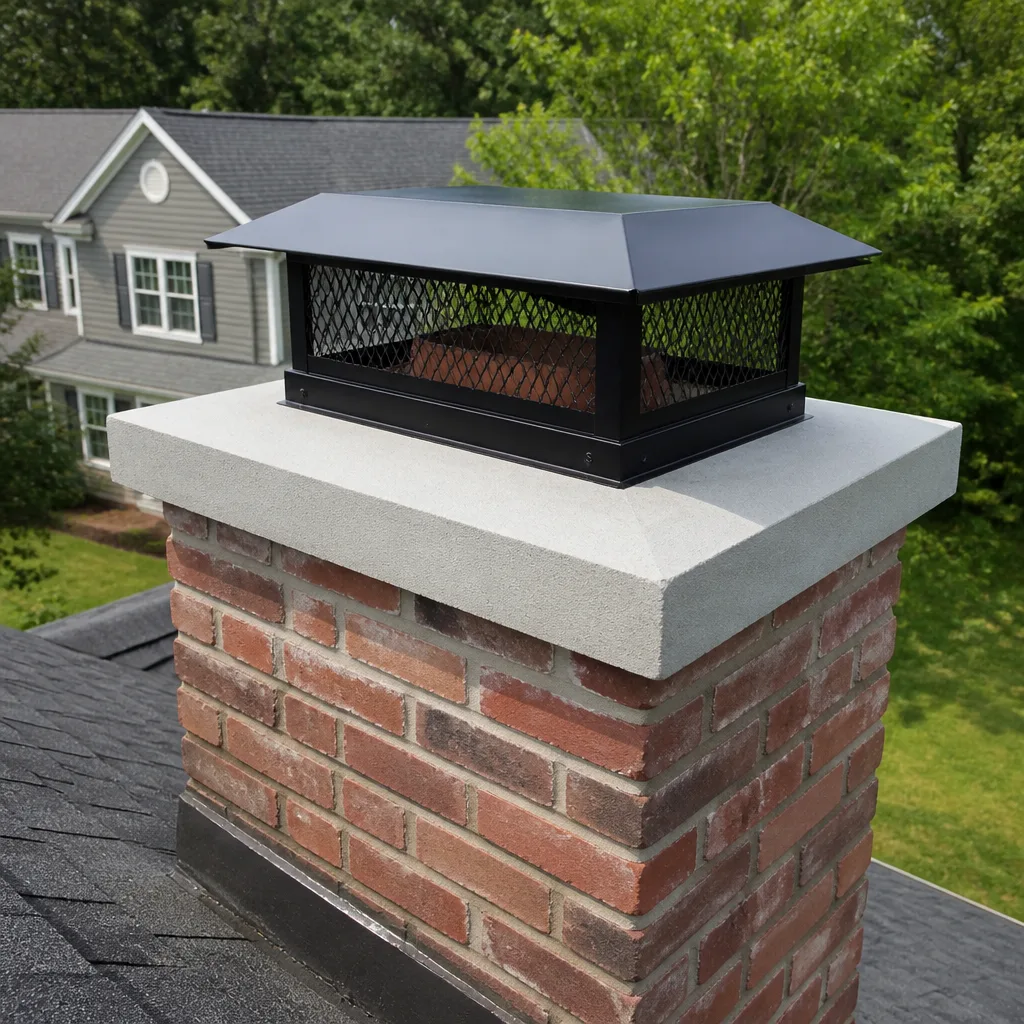 Caps & crowns
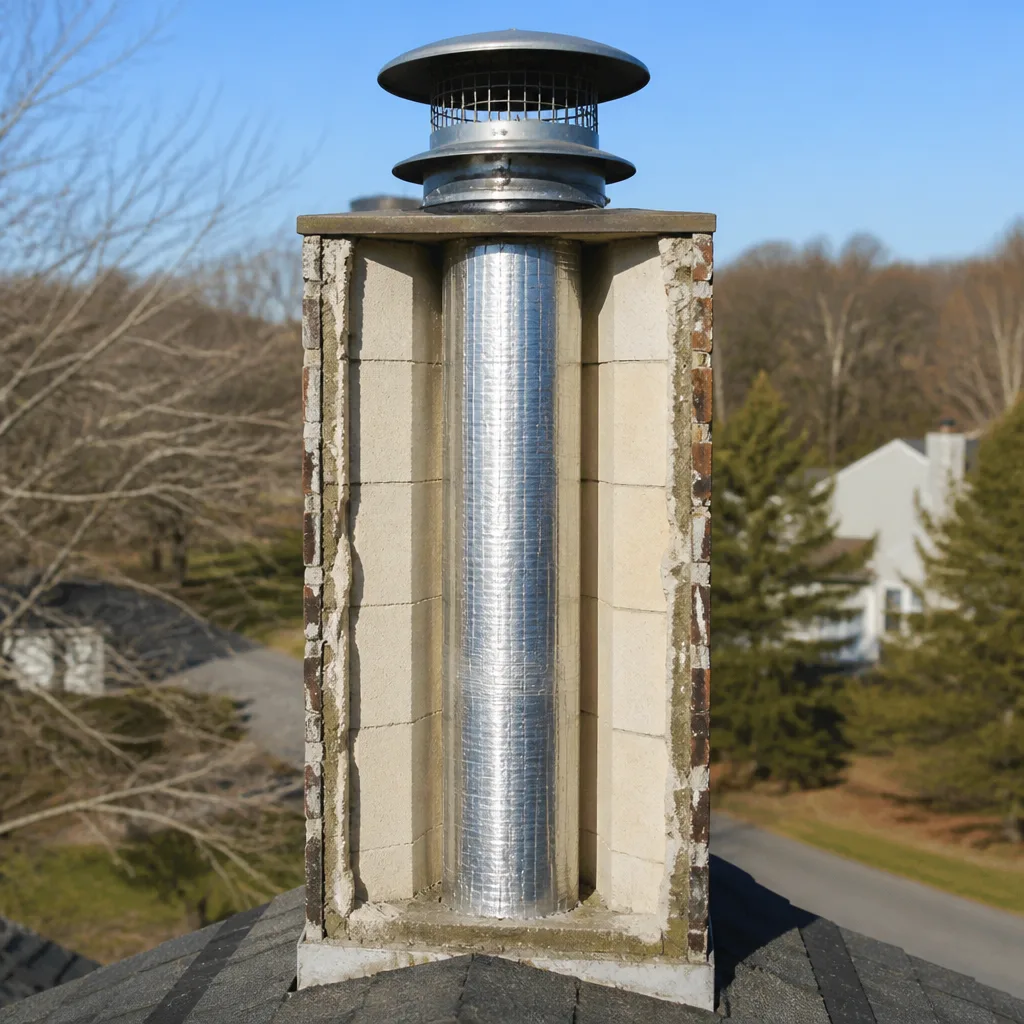 Flue relining
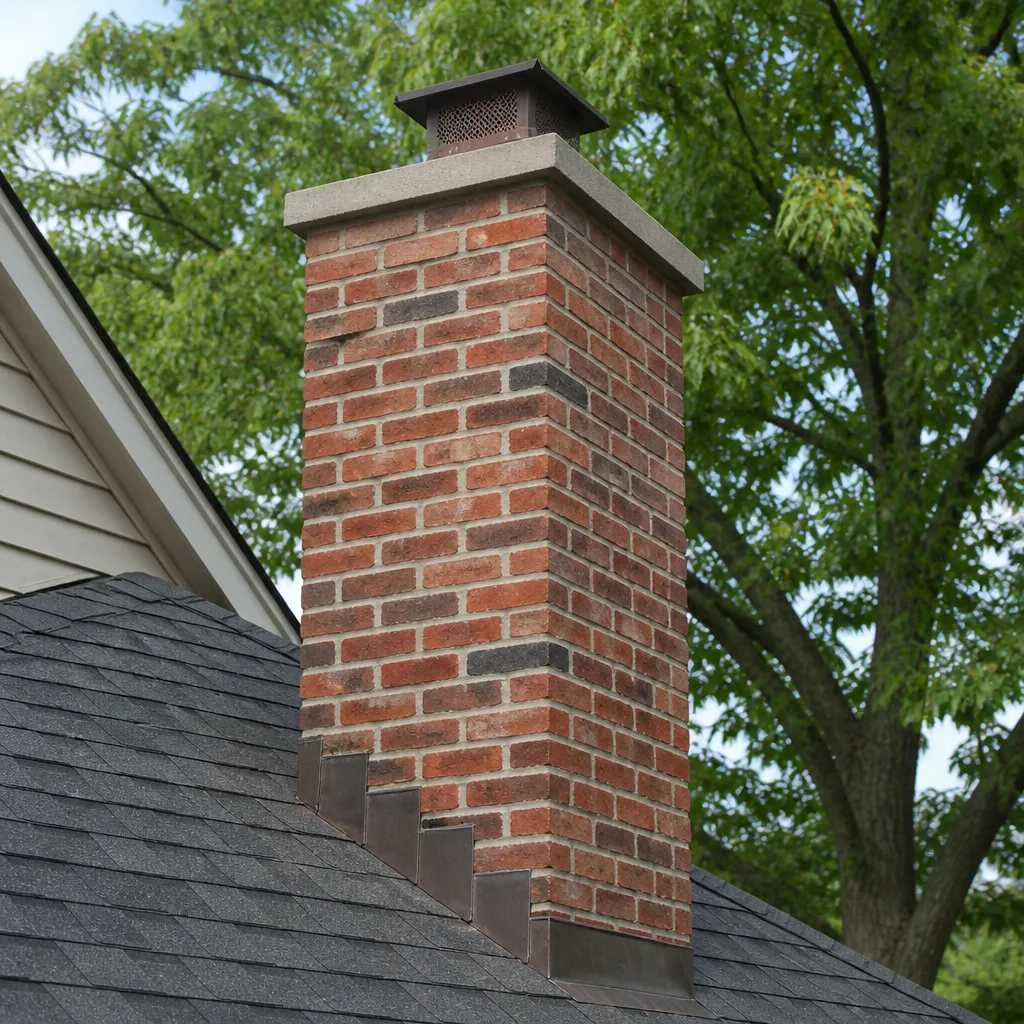 Masonry repair
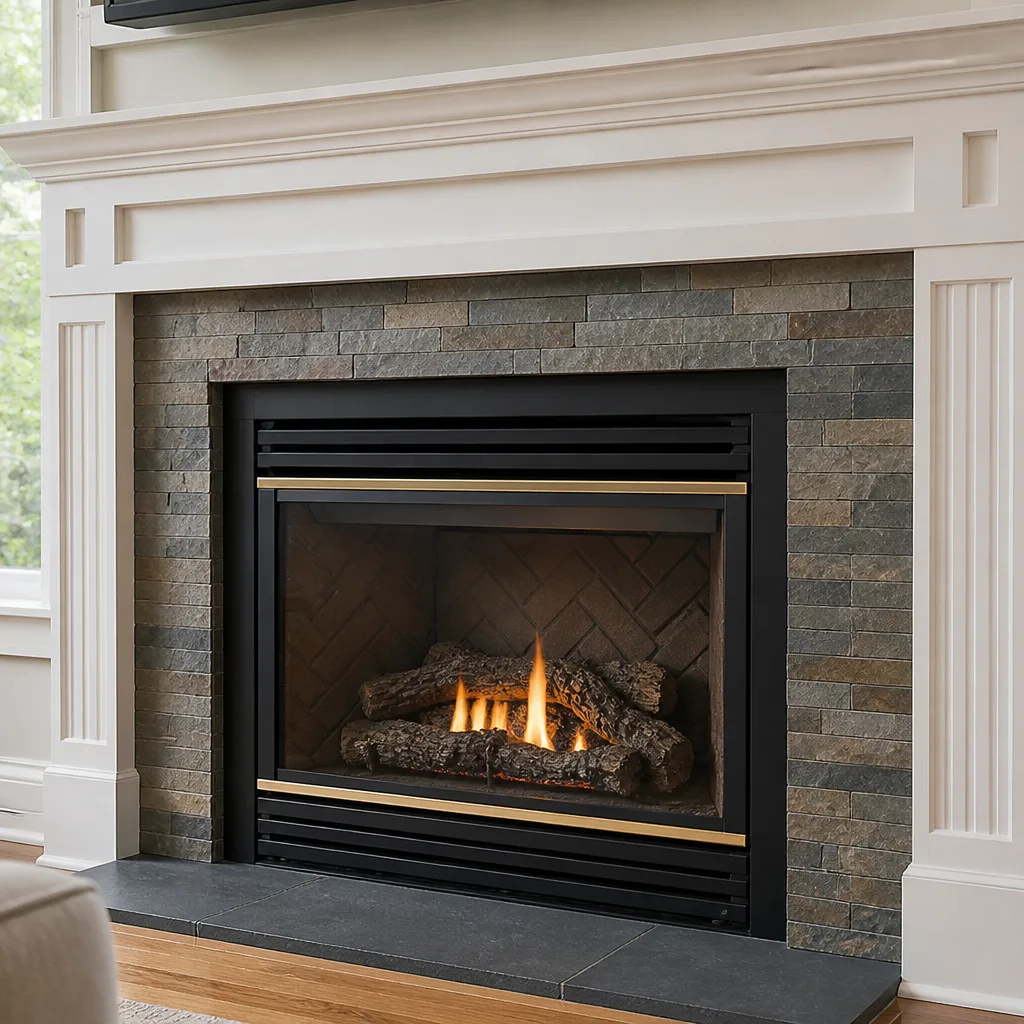 Gas fireplace service
Level 1 sweep and inspection to the NFPA 211 annual standard - flue, crown, cap, and flashing checked and photographed
Chimney sweep logs do not sweep chimneys. They loosen some creosote - which then falls where a brush and vacuum still have to collect it.
DIY vs Professional Chimney Cleaning: The Boise City Homeowner’s Decision Guide
You can buy a chimney brush at almost any hardware store in Boise City for less than the cost of dinner out. That’s the part that fools people. The brush is maybe 10% of a real cleaning. The other 90% is knowing what you’re looking at when you shine a light up the flue, recognizing the difference between ordinary soot and glazed creosote, catching a hairline crack in a liner before it becomes a carbon monoxide path into your living room, and understanding why your fireplace smokes even after you’ve scrubbed it clean. This guide walks through exactly when a do-it-yourself cleaning makes sense, when it genuinely doesn’t, and what a self-performed sweep quietly leaves behind. We’ll also show you which maintenance tasks are smart to handle yourself between professional visits.
Quick Answer
DIY chimney cleaning is only appropriate for a straight, single-flue chimney with light soot buildup, no liner damage, and no history of chimney fires. For anything involving glazed third-degree creosote, offset flue sections, liner evaluation, or gas and oil appliance flues, a professional sweep in Boise City is the correct call. Most homeowners can’t accurately assess which category their chimney falls into without a trained inspection first.
Styles & brands we work with
- Sweep & inspection
- Caps & crowns
- Flue relining
- Masonry repair
- Gas fireplace service
Table of Contents
- What a Competent DIYer Can Actually Handle
- What DIY Cleaning Consistently Misses
- Equipment Cost: Doing It Properly vs Hiring a Sweep
- Understanding Creosote: The Three Degrees That Decide the Job
- When a Draft Problem Looks Like a Cleaning Problem
- Insurer Documentation: What Self-Performed Cleaning Does and Doesn’t Give You
- Smart DIY Maintenance Between Professional Sweeps
- Boise City Conditions That Change the Equation
What a Competent DIYer Can Actually Handle
We’re not going to tell you a homeowner with a shop vac and a reasonable amount of caution can never touch their own chimney. There’s a narrow window where a careful DIY cleaning is genuinely viable. Here’s what fits inside it.
A straight, vertical, single-flue chimney with an unobstructed top access point and a firebox you can reach from the hearth. Light, powdery soot clinging to the flue walls after a season of occasional fires. A masonry or metal firebox with no visible deterioration. A chimney cap that comes off cleanly for brush access. Those conditions represent a real minority of the chimneys we inspect around Boise City, but they exist.
If all of the following are true, a homeowner with the right brush size and proper containment can remove surface soot without causing harm:
- The flue is a straight shot from firebox to cap with no offset or jog
- The liner (clay tile, stainless, or cast-in-place) shows no cracks, spalling, or gaps at the joints
- Creosote is dry and flaky, not sticky, shiny, or tar-like
- There’s been no chimney fire, ever
- You can safely get on the roof and work from a stable position, or access the flue from the firebox with a flexible rod
- The appliance is a wood-burning fireplace or wood stove, not gas or oil
If even one of those fails, the job has moved past what brush-and-vacuum cleaning can safely address. The gap between “straight flue with light soot” and “everything else” is where most DIY attempts run into trouble. A homeowner can usually identify the first condition. The liner evaluation, the creosote grading, and the draft assessment are where training matters.
What DIY Cleaning Consistently Misses
Even a careful self-performed sweep leaves specific things behind. Not because the homeowner is careless, but because the tools and the trained eye that catch those problems aren’t in the average garage.
The Firebox Smoke Shelf
The smoke shelf is the horizontal ledge at the back of the firebox, right where the damper sits. Soot and creosote collect there in a layer that a straight flue brush never reaches. Over a season, that buildup narrows the smoke path and starts pushing exhaust back into the room during lighting and reloading. A homeowner scrubbing only the flue will still notice smoke rolling out on a cold start, and often assumes the flue itself needs another pass. It usually needs the smoke shelf scraped clean.
Liner Crack Identification
Clay tile liners crack at the joints and along the tile faces. Stainless liners fail at seams, at the top plate, and around the appliance connector. A crack the width of a hair is enough to let carbon monoxide escape into wall cavities or living space. Finding it requires a light and a trained eye, ideally a camera inspection, not a flashlight pointed upward for a few seconds. In our experience, the majority of liner damage we find in Boise City was invisible to the homeowner who had just cleaned their own chimney.
Negative Pressure and Draft Problems
Plenty of “the chimney needs cleaning” calls turn out to be a draft problem. A tight modern house, a bath fan running, an open return duct, or a flue that’s oversized for the appliance can all cause smoke spillage that looks and feels like a blockage. No amount of brushing fixes a pressure imbalance. Those jobs need an assessment of the whole system, not another brush pass.
Equipment Cost: Doing It Properly vs Hiring a Sweep
Here’s where the DIY math gets less flattering than it first appears. The basic tool list isn’t long, but doing the job the way it’s supposed to be done costs more than most people budget.
- Correctly sized poly or wire brush head: one for each flue size. Buying the wrong size (a common mistake) means either a brush that won’t reach the walls or one that damages the liner.
- Flexible rods: enough length to cover the full flue height plus rod sections for offset or angled runs.
- HEPA shop vacuum with a chimney-rated filter: a standard shop vac will blow fine soot back into your living room. A dedicated HEPA unit with a chimney filter is a real cost, and the filter isn’t cheap.
- Inspection light and mirror: a bright, cool-burning work light on a rod and a mirror rigid enough to inspect the smoke shelf and damper face.
- Camera inspection option: for a real look at the liner, a low-cost USB or wireless inspection camera with the resolution to spot a hairline crack. Most homeowners never buy this, which is the single biggest gap in a DIY cleaning.
- Drop cloths, tape, and containment film: to seal off the firebox opening and keep soot out of the room.
Add it up honestly and a complete DIY kit lands in a range where the professional sweep starts looking reasonable, especially once you factor in the inspection that gets left out of most DIY attempts. A professional cleaning also includes the liner evaluation and photo documentation that the kit doesn’t give you. Pricing in Boise City varies by flue count, access, and how much creosote is present, but a clean single-flue sweep and inspection is an estimate-per-job cost, set in writing before anyone shows up, not a surprise on the invoice.
Understanding Creosote: The Three Degrees That Decide the Job
Creosote is the residue left behind by wood smoke as it cools in the flue. Not all creosote is equal, and the difference is the single most important factor in whether a job is DIY-safe or not.
First-Degree Creosote
Soft, dry, and flaky. It brushes off the flue walls without much effort. This is the only grade of creosote that a homeowner with the right brush and containment has any business removing.
Second-Degree Creosote
Crumbly but harder, with some tar content. It takes more effort and pressure to remove, and it tends to accumulate in corners and along seams. Professional poly brushes can do the job; homeowner brushes often can’t reach or press hard enough to get it all.
Third-Degree Creosote
Glazed, hardened, and often shiny or tar-like. Third-degree creosote has been fired and re-fired into a glassy layer bonded to the flue wall. Brushing alone won’t remove it; it usually needs chemical treatments or professional-grade rotary equipment. It’s also the grade most closely associated with chimney fires, because a hot ember or a small ignition source can light it up. This grade is not a homeowner job. Full stop.
We see all three grades in Boise City, with the heaviest third-degree accumulation in older homes running wood as a primary heat source through cold winters. Homeowners rarely know which grade their flue has without a trained inspection of the liner interior.
When a Draft Problem Looks Like a Cleaning Problem
One of the most common surprises in our line of work is the homeowner who calls for a cleaning because their fireplace smokes, and finds out after the sweep that the flue was already clean. What they actually had was a negative pressure problem.
Boise City homes, particularly newer construction and anything with a well-sealed envelope, can pull air down the chimney instead of up and out. Mechanical exhaust (bath fans, kitchen hoods, dryer vents) competes with the chimney for available air. A fireplace competing with a 200-cubic-foot-per-minute bath fan can spill smoke into a room with a spotless flue. Older homes with crawlspaces and looser envelopes usually draft better, but not always.
Common signs that a draft issue is behind your smoke problem rather than a soot problem:
- Smoke rolls out during lighting or reloading but the flue looks clear
- Smoke appears on windy days or when exterior doors and windows are closed
- The fireplace drafts better with a nearby window cracked open
- Appliances elsewhere in the house cause the fire to puff back
- Creosote accumulates in specific areas rather than the full flue
Solving a draft problem means evaluating the whole house as a system: venting, appliance sizing, liner diameter, and makeup air. A brush doesn’t fix it. If you’re in a Boise City home with recurring smoke spillage and a clean flue, the next step is an inspection, not a second cleaning.
Insurer Documentation: What Self-Performed Cleaning Does and Doesn’t Give You
Chimney fires are among the more common causes of home fire damage, and most homeowner policies ask for some form of evidence that maintenance was performed if a chimney fire claim comes in. This is where self-performed cleaning has a real limitation, and it’s not a scare tactic. It’s a documentation issue.
When a licensed chimney professional performs a sweep and inspection, you receive a report. Photos of the flue interior, notes on creosote condition, and the date of the service. If a chimney fire later occurs, that report establishes a maintenance record. If a claim is filed, the insurer can see that the system was being maintained to a reasonable standard.
A self-performed cleaning gives you nothing in the file. No photos, no inspection notes, no proof that a competent look inside the flue was ever done. That doesn’t automatically invalidate a claim, but it means you’re relying on the insurer’s discretion rather than documentation, and it’s a factor many adjusters look at.
There’s also the liability side of a DIY cleaning gone wrong. A homeowner who cracks a clay liner during an aggressive brushing, or who dislodges soot onto a blocked flue without noticing, has no recourse. The cost of the resulting repair happens on their dime and their timeline. Professional service carries the company’s own liability for the work performed. You also get the benefit of trained eyes on a component that most homeowners simply aren’t trained to evaluate. For more on what a documented chimney sweep includes, that page covers the inspection and reporting side.
Smart DIY Maintenance Between Professional Sweeps
None of this means you should leave every chimney task to a professional. There’s a set of homeowner-appropriate maintenance tasks that genuinely help, and doing them makes every professional visit more productive.
- Burn seasoned wood only. Firewood with a moisture content below about 20% burns hotter and cleaner, which means less creosote accumulates between sweeps. Buy from a reputable supplier and check moisture with an inexpensive meter.
- Keep the damper properly positioned. Open fully on lighting and reloading, then adjust for a clean burn once the fire is established. A partially closed damper during a burn produces more smoke and more creosote.
- Sweep ash out of the firebox between fires. A deep ash bed restricts air flow to the fire and increases smoke production. Leave an inch of ash for insulation, but no more.
- Check the cap and screen from the ground. A visual look at the chimney cap once a month with binoculars catches bird nests, leaf accumulation, and visible cap damage before it becomes a problem.
- Note the draft performance by season. Keep a simple log of any smoke spillage, unusual smells, or draft changes. That log helps a professional pinpoint issues during the next inspection.
- Never burn trash, plastic, or green wood. These produce deposits that are far harder to remove than wood creosote and can chemically damage metal liners.
What you should not do: light a fire to “burn off” creosote buildup, attempt to remove third-degree glazed creosote with a wire brush, or ignore a smoke spillage problem in the hope it will resolve on its own. Each of those raises the risk of a chimney fire.
Boise City Conditions That Change the Equation
Chimney performance in Boise City depends on more than how many fires you burn. The high-desert climate here means cold, dry winters and rapid temperature swings, and that combination affects how creosote forms and how masonry behaves.
Cold flues start slow. A chimney that’s been sitting cold overnight takes longer to warm up and start pulling draft properly. That slow warm-up period is when the most creosote forms, because smoke cools in the flue before it can exit. Homeowners with tall, exterior-mounted chimneys feel this the most. If your chimney runs up an outside wall, the creosote forms faster than an interior chimney in the same house, and that means more frequent sweeps.
Rapid temperature swings between seasons stress masonry. Small cracks that start in the mortar joints at the crown or along the flue tile faces can widen as freeze-thaw cycles work on them. A crack that’s a minor cosmetic issue in October can be a real leak path by February. Annual inspection catches those early. For more on what repair typically involves in Boise City homes, see chimney repair. When we do that work, we specify professional-grade materials, including DuraFlex flexible liners for full relining and HeatShield for resurfacing a liner that doesn’t need full replacement. Those aren’t hardware-store products, and they’re not the kind of thing a homeowner is going to install with a weekend brush and a shop vac.
Smoke from the regional fire season can also drive homeowners to burn more indoor fires for air quality reasons, or on the contrary, to stop burning entirely. Either way, changing burn habits mid-season can leave behind deposits that form differently from a consistent burn cycle. When your routine changes, that’s a cue to have the flue checked rather than assume last year’s cleaning is still adequate. A full sweep across the Boise City area typically takes under an hour for a single flue, plus the inspection time.
Common Mistakes to Avoid
- Buying the wrong brush size. A brush that’s too large can jam or damage the liner; one that’s too small never reaches the walls. Measure the flue before you buy, and if you’re not sure, don’t guess. Ask a professional.
- Using a standard shop vac instead of a HEPA unit. Fine chimney soot is exactly the kind of particulate a standard shop vac sends straight back into the air you’re breathing. A HEPA vacuum with a chimney-rated filter is the minimum, and most homeowners don’t own one.
- Skipping the smoke shelf and damper area. A straight flue brush doesn’t reach the horizontal smoke shelf. If you don’t scrape it separately, you’ve done about 80% of a cleaning.
- Not inspecting the liner at all. A cleaning is not an inspection. The two are separate tasks and one doesn’t substitute for the other. Most DIY cleanings skip the liner evaluation entirely.
- Assuming smoke equals soot. A smoking fireplace with a clean flue is a draft problem, and repeatedly brushing it won’t fix anything. This is one of the most common calls we respond to around Boise City.
- Cleaning a gas or oil flue without training. Gas and oil appliances have different flue configurations, different residues, and different venting requirements than wood. Homeowner cleaning on a gas flue is genuinely risky, both for carbon monoxide and for damage to the appliance venting.
- Ignoring a chimney fire’s aftermath. If there’s ever been a chimney fire, no DIY cleaning afterward is adequate. The liner needs a professional evaluation to determine if it held up through the event.
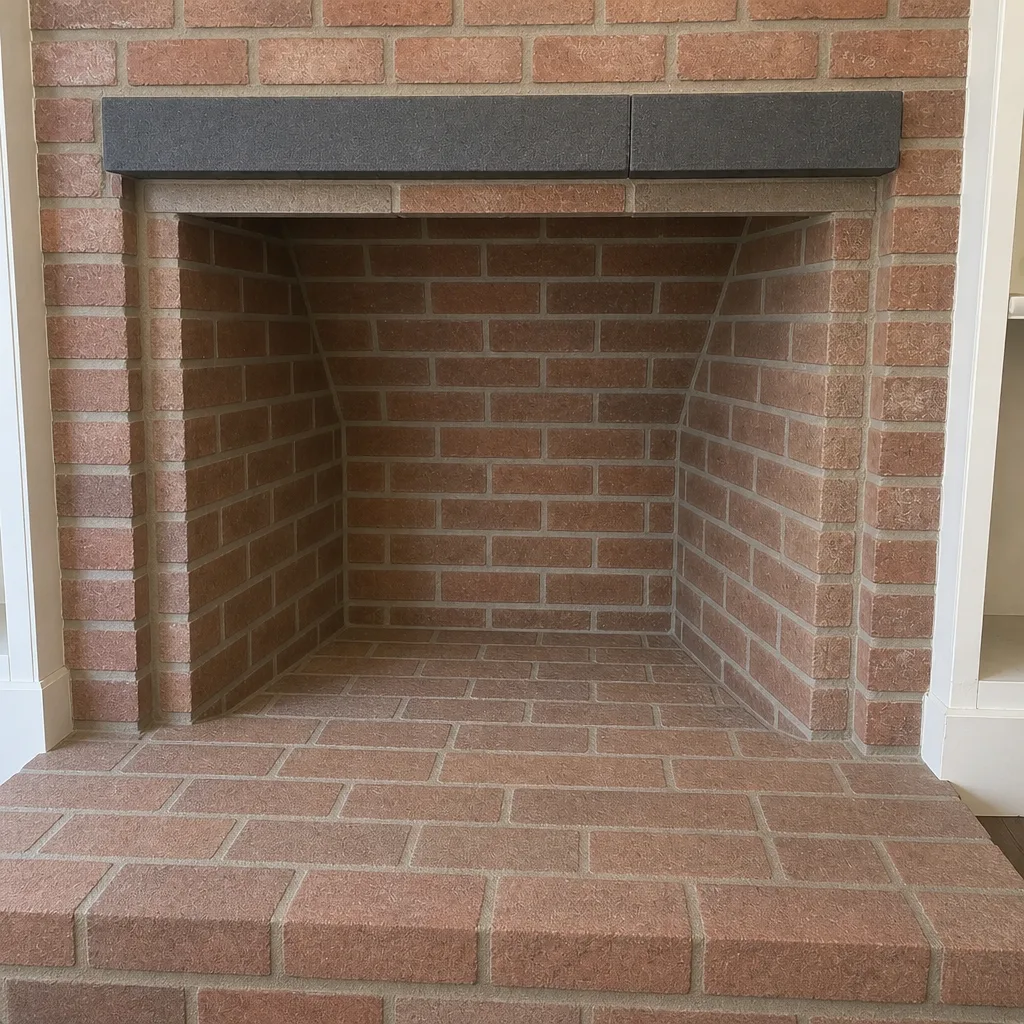
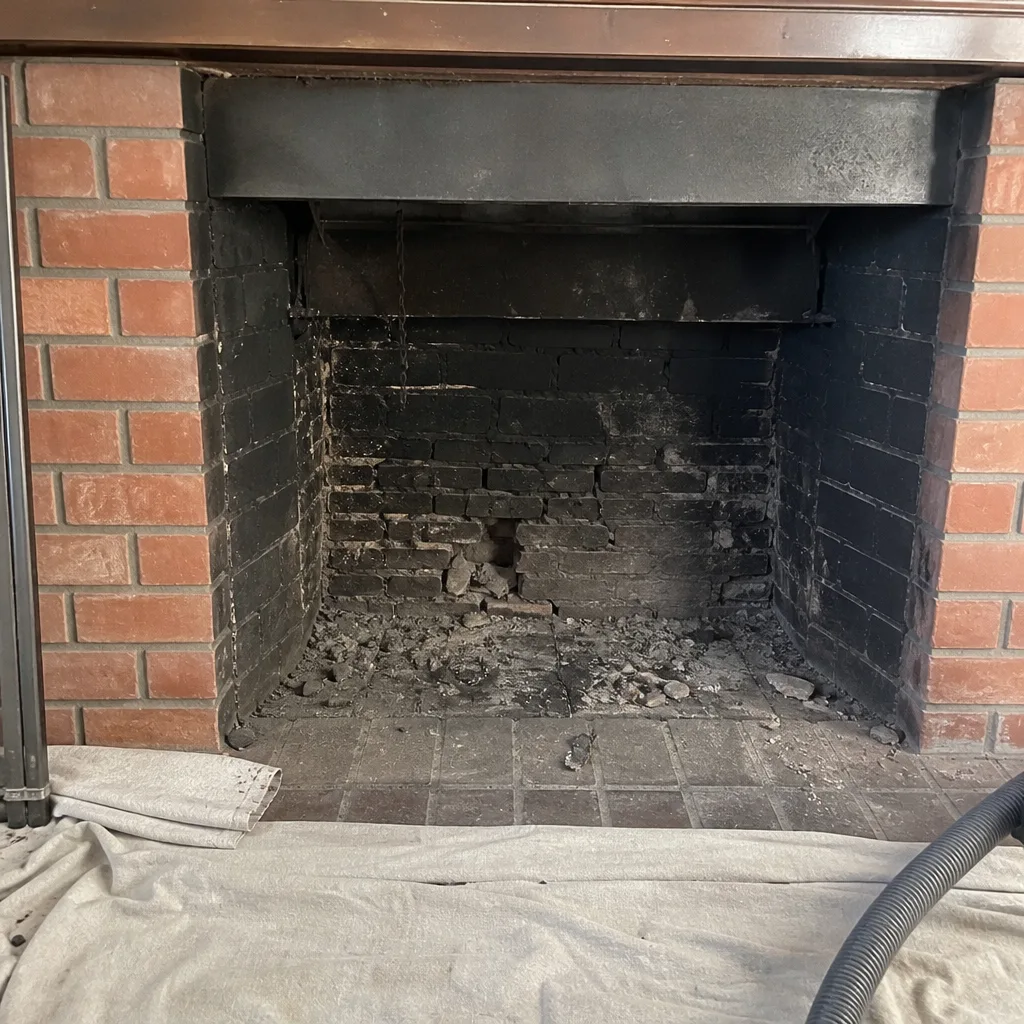
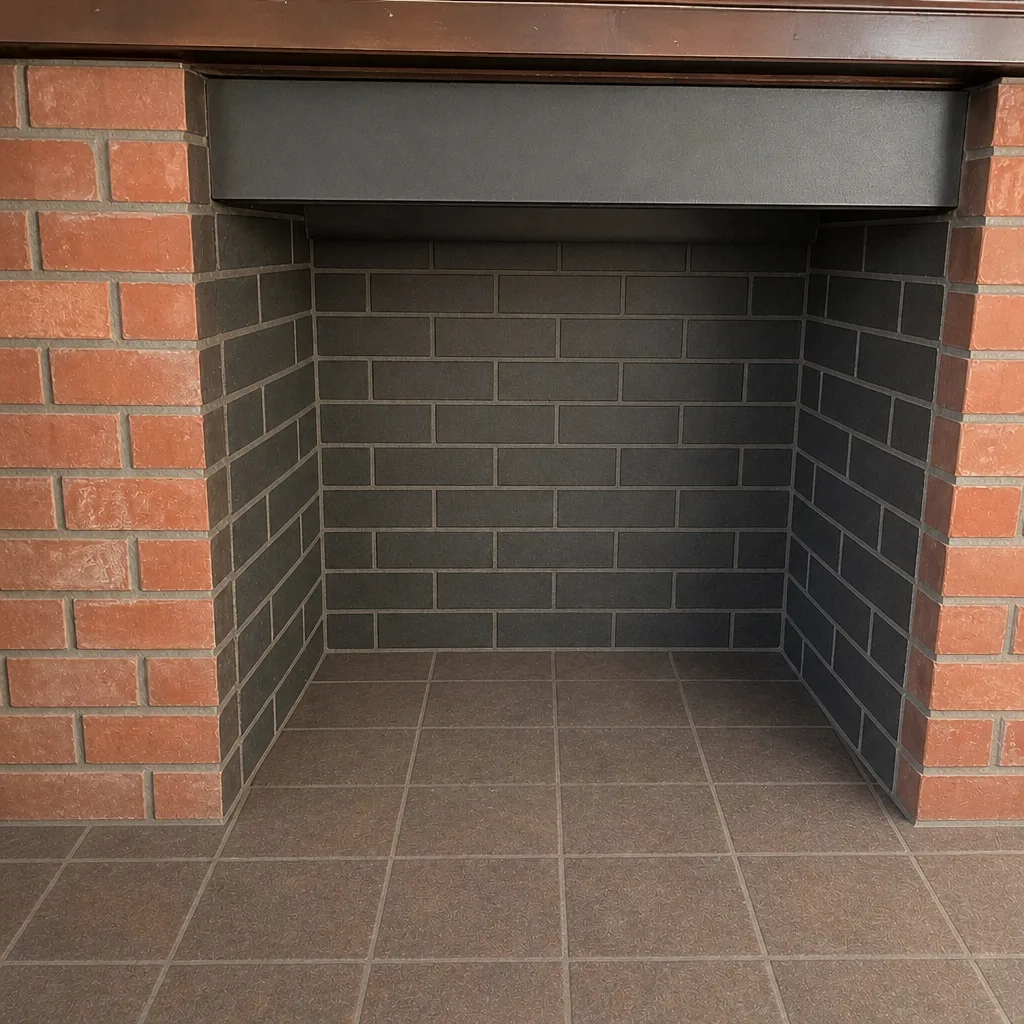
See the difference
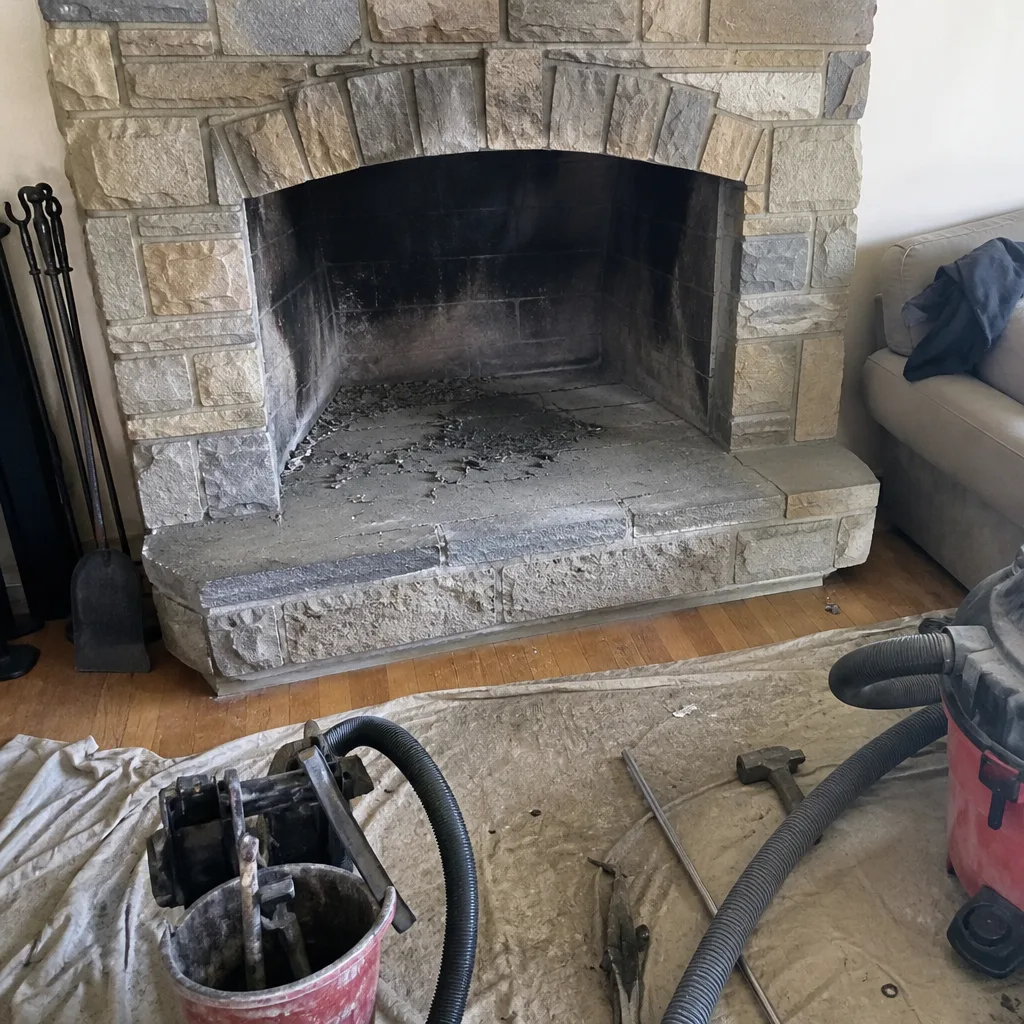 Before
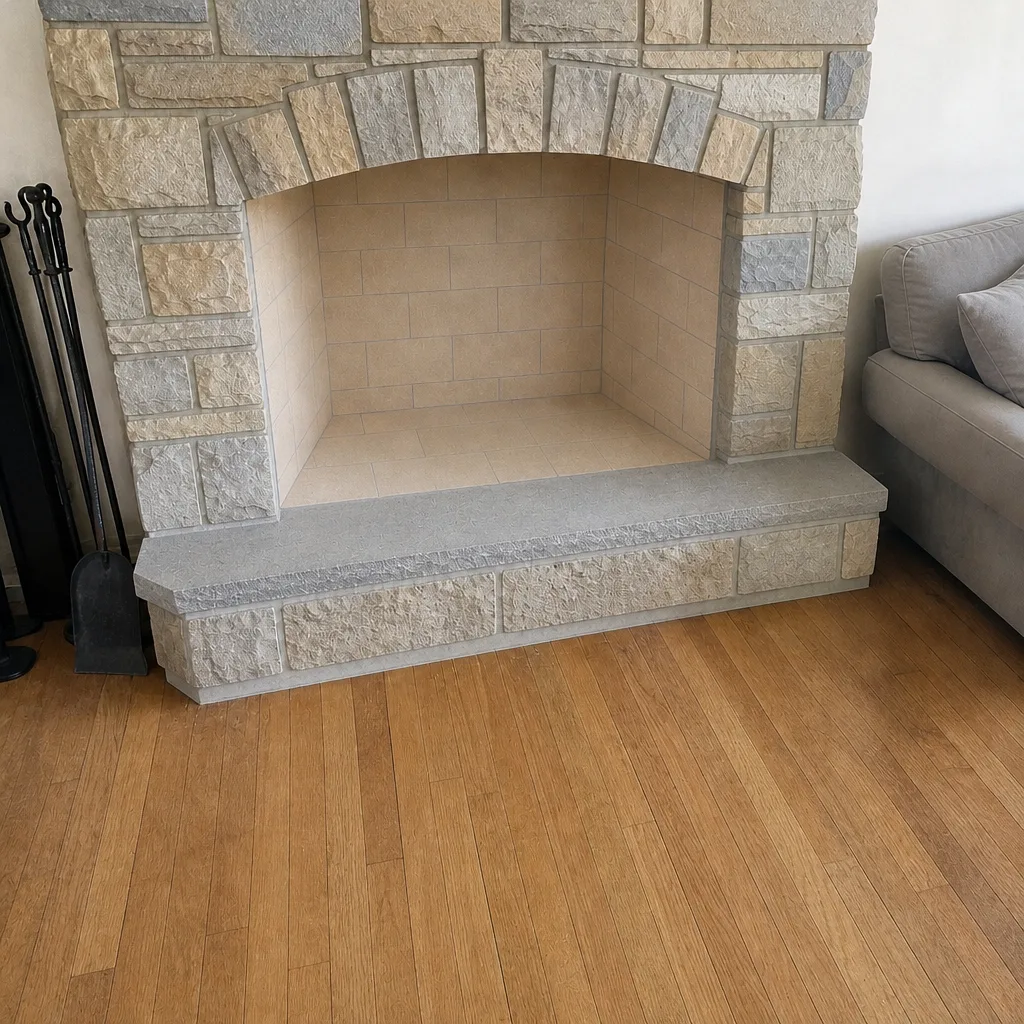 After
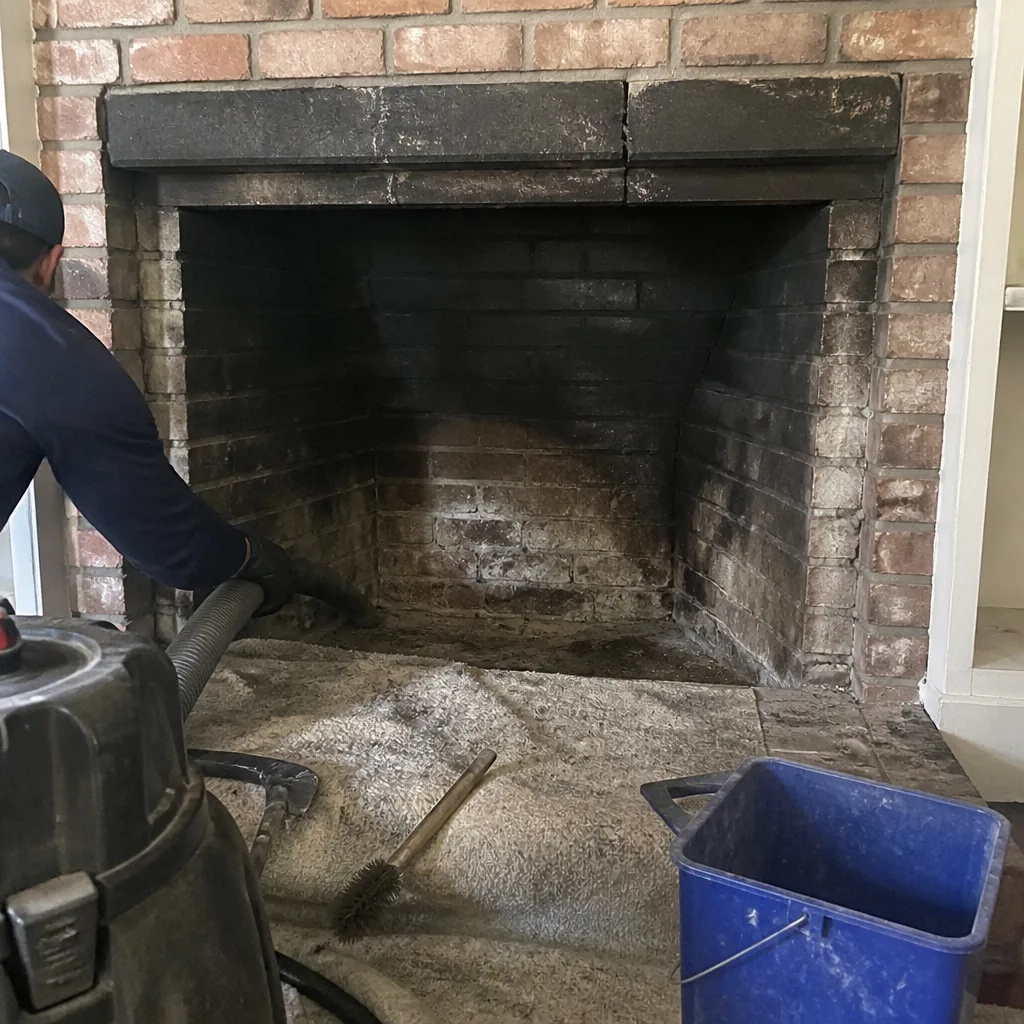 Before
 After
 Before
 After
When to Call a Professional
Call a professional sweep when any of the following is true: you’ve had a chimney fire, you’ve never had the chimney inspected, the creosote is shiny or tar-like, the flue has offset sections, the appliance is gas or oil, or your fireplace smokes on lighting and reloading. Also call a professional if you’re buying or selling a home in Boise City, if it’s the first year in a home you didn’t previously maintain, or if an inspector has flagged the chimney for repair. Any of those situations needs trained eyes and documentation, not another pass with a brush. Chimney Sweep Boise City offers free estimates in Boise City. Call (833) 486-7115. We answer 24/7. Fast dispatch from 7am to 7pm, Sunday through Friday.
Frequently Asked Questions
You can safely clean a straight, single-flue wood chimney with light soot and no liner damage, no history of chimney fires, and no glazed creosote. Anything outside that narrow set of conditions needs a professional. Most homeowners can’t determine which category their chimney falls into without an inspection first, which is the biggest limitation on DIY cleaning. Call (833) 486-7115 for a free estimate on an inspection if you’re unsure.
Once a year for most wood-burning fireplaces, and more often if you burn heavily through the winter or have a tall exterior-mounted chimney. The general rule across the trade is to sweep when creosote reaches about 1/8 inch, and only an inspection can tell you when that’s happened. Gas and oil flues should be checked annually as well. Call (833) 486-7115 to book an inspection and get a clear picture of your flue.
Creosote accumulates, and once it reaches the glazed third-degree stage, it becomes a fuel source inside your flue. A hot ember or a spark can ignite it, and a chimney fire can spread to the structure of the house. Carbon monoxide can also escape through a liner crack you never saw. Skipping cleanings is a real risk, not a theoretical one. Call (833) 486-7115 for a free estimate on a sweep and inspection.
No. A self-performed cleaning leaves no documentation, which means no photos, no inspection notes, and no dated service record in your file. Professional service provides that record. If a chimney fire claim later comes in, an insurer handling it has something concrete to work with, versus relying on your word that the chimney was cleaned. Call (833) 486-7115 for a documented sweep and inspection.
No. Glazed or third-degree creosote is bonded to the flue wall and won’t come off with a standard brush. Removing it takes professional rotary equipment or chemical treatments, and attempting it with homeowner tools risks damaging the liner. This is one of the tasks that falls firmly outside DIY territory. Call (833) 486-7115 for a free estimate on professional removal.
Cleaning your own chimney is generally legal for a homeowner doing their own maintenance on a wood-burning appliance. What’s regulated is the work performed on the chimney system by a contractor, which in most jurisdictions requires licensing or certification. If you’re selling a home or filing an insurance claim, a professional report is what carries weight. Call (833) 486-7115 for a documented professional sweep and inspection.
The Bottom Line
DIY chimney cleaning isn’t reckless. It’s just narrow. It works for straight flues with light soot, no liner damage, and no chimney fire history. Outside that window, the brush doesn’t catch what matters: a cracked liner, a glazed creosote layer, a smoke shelf packed with buildup, or a draft problem that no cleaning will fix. The equipment math is tighter than it looks, and the documentation gap matters more than most homeowners realize when a claim is at stake. If you can’t answer the liner question with confidence, get an inspection first.
Chimney Sweep Boise City offers three services under one roof: sweep, inspection, and repair. When repair is needed, we specify professional-grade materials, including DuraFlex liner systems, Olympia Chimney components, HeatShield resurfacing, and Gelco and Famco parts. Our technicians have up to 8 years of experience, and we do the whole job from sweep through any repair without sending you to a second contractor. For a free estimate in Boise City, call (833) 486-7115. We answer 24/7. Fast dispatch from 7am to 7pm, Sunday through Friday.
Written by the team at Chimney Sweep Boise City.