
Last updated November 15, 2026
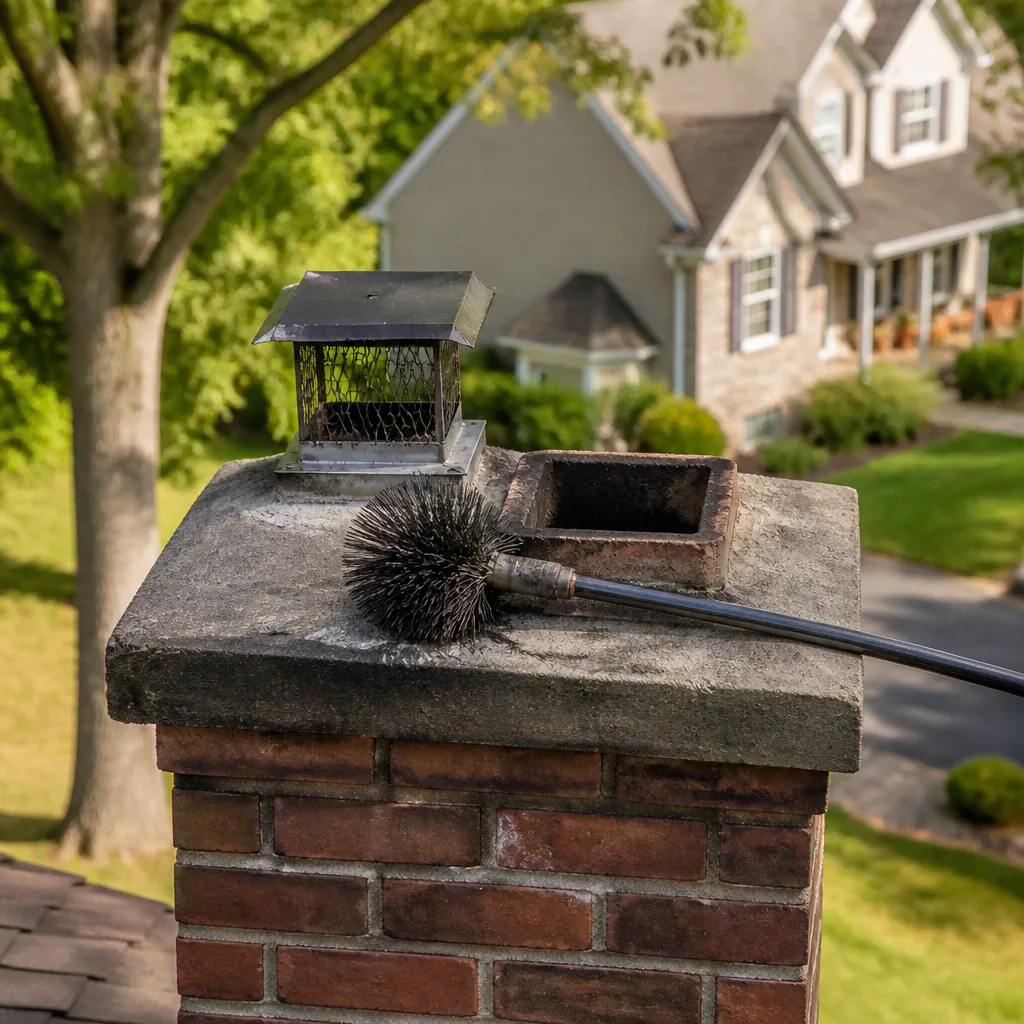 Sweep & inspection
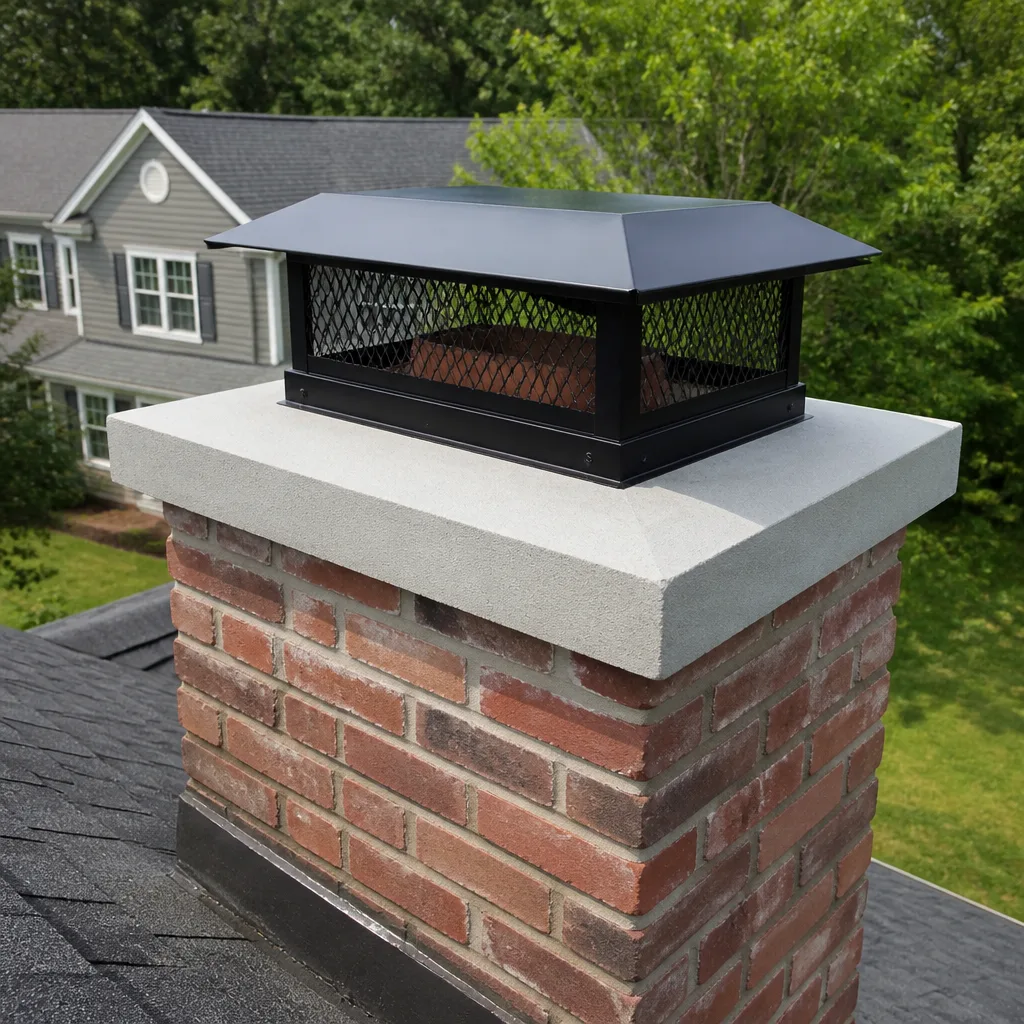 Caps & crowns
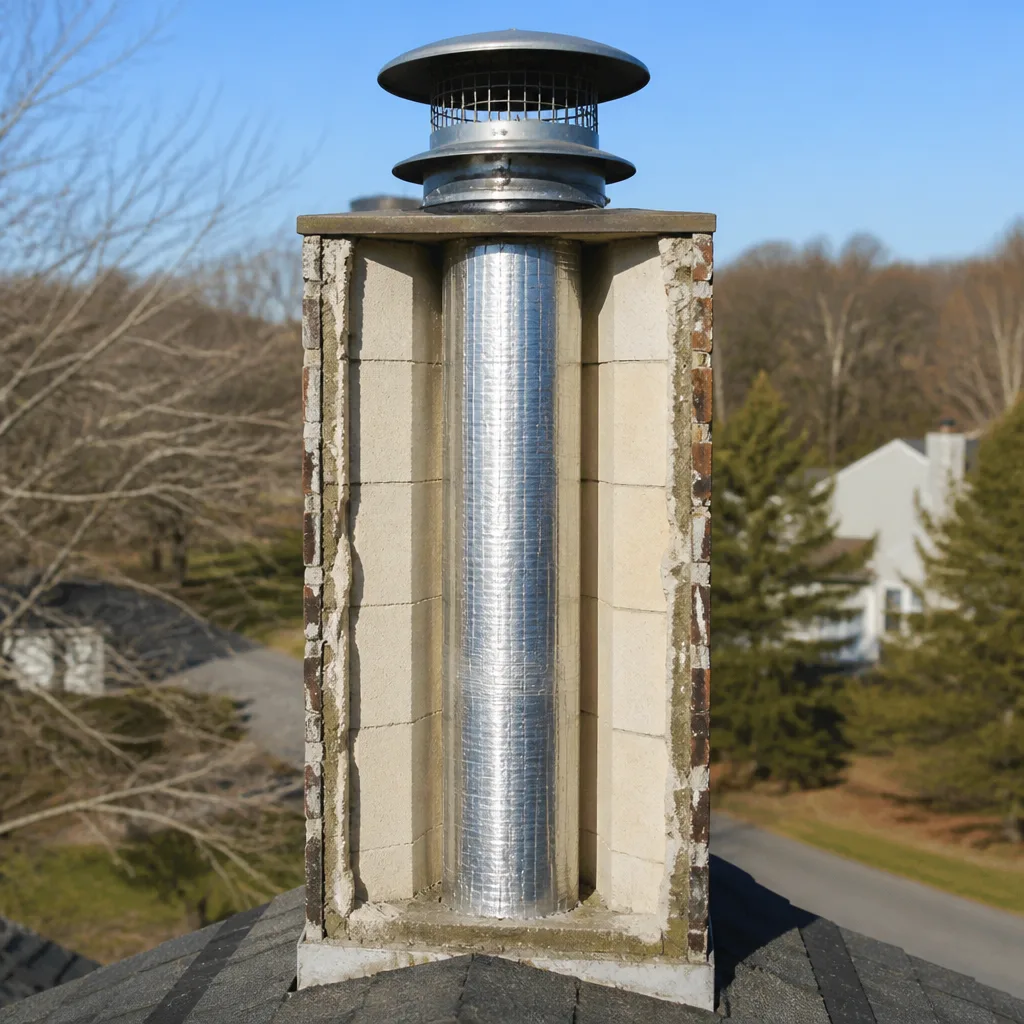 Flue relining
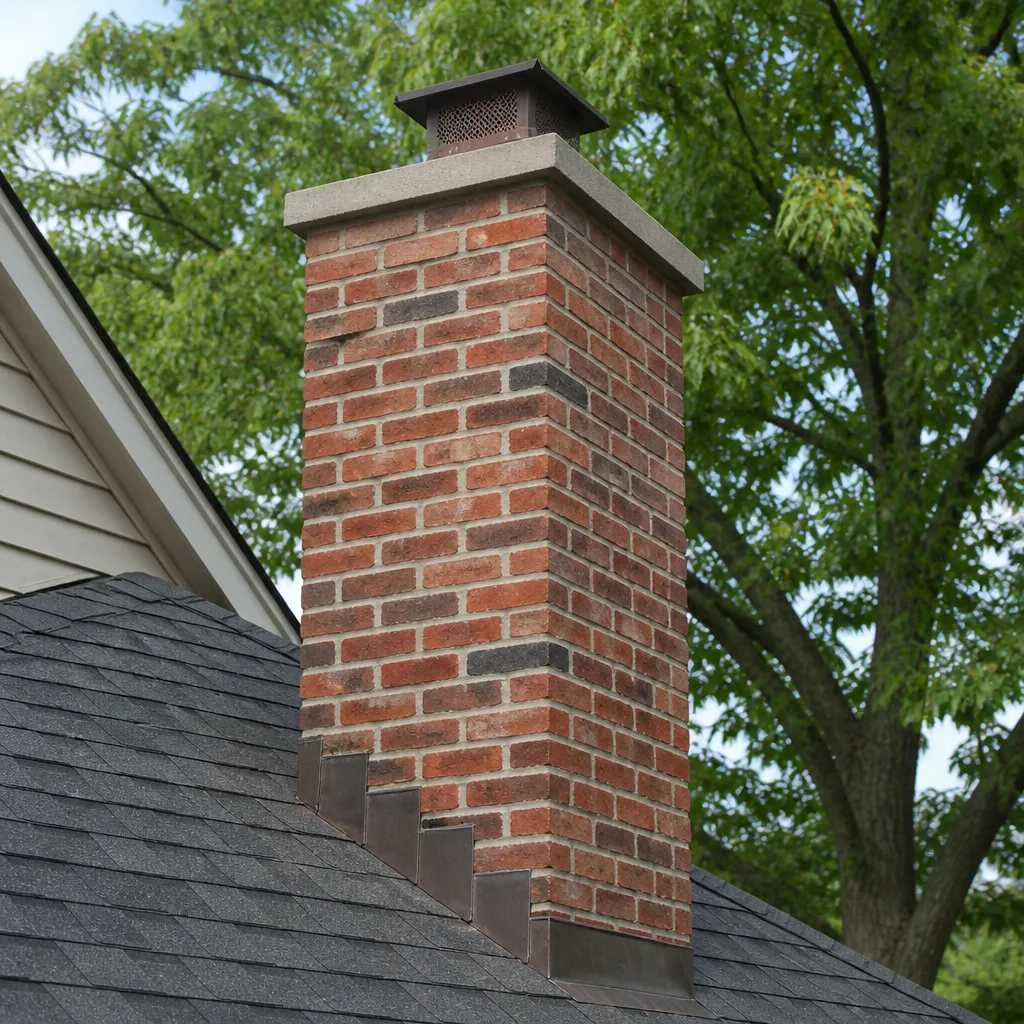 Masonry repair
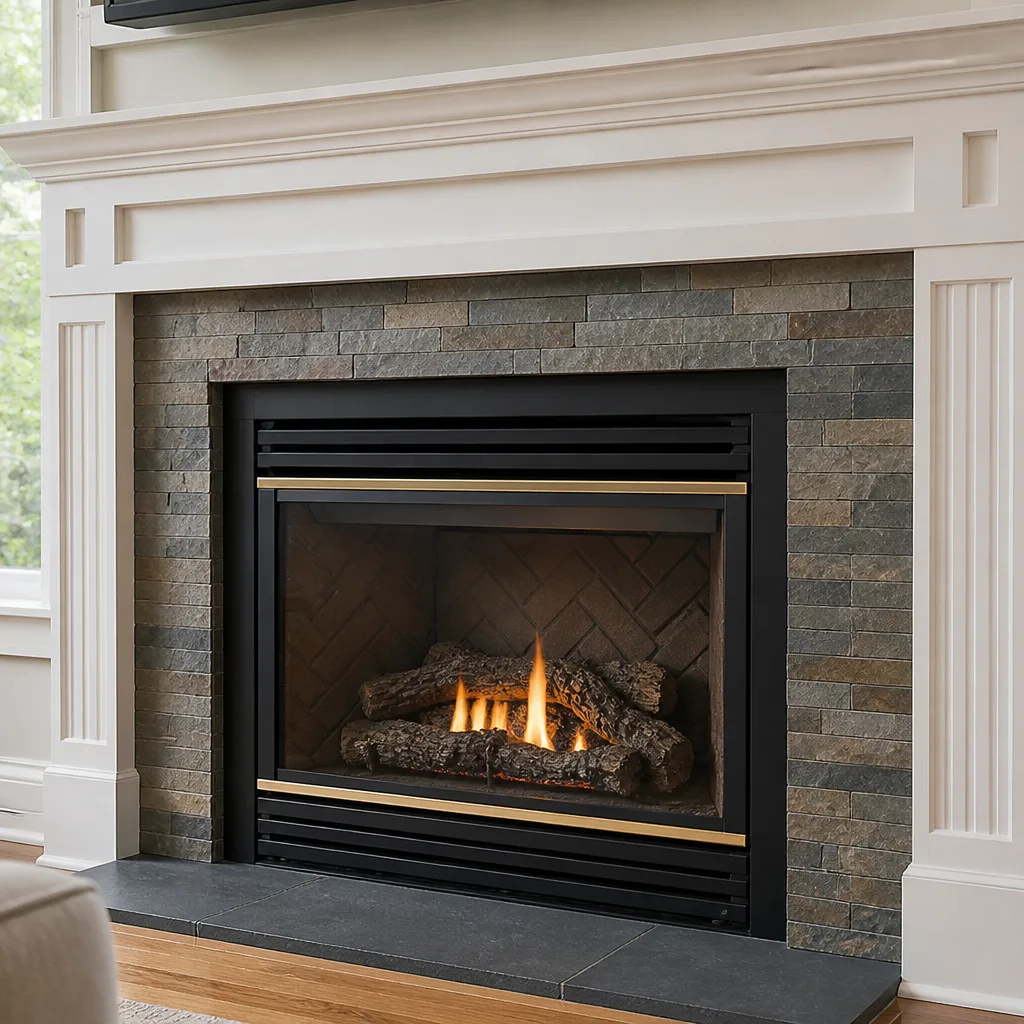 Gas fireplace service
Level 1 sweep and inspection to the NFPA 211 annual standard - flue, crown, cap, and flashing checked and photographed
Chimney sweep logs do not sweep chimneys. They loosen some creosote - which then falls where a brush and vacuum still have to collect it.
How to Hire a Chimney Cleaning Contractor in Boise City: A Step-by-Step Guide
There’s no licensing requirement for chimney sweeps in Idaho, which means anyone can legally call themselves one. And some do, with no training, no insurance, and hardware-store brushes that can’t fully clean a tile liner. That’s the uncomfortable reality behind hiring help with a chimney in Boise City, and it’s the reason a friendly voice on the phone and a reasonable quote don’t tell you much on their own. What separates a certified specialist from a handyman with a Yelp page comes down to credentials, materials, and the specifics written into the estimate. This guide gives you a vetting framework you can use on the spot: what to ask, what a real inspection report contains, how to read line items in a quote, and which red flags show up right here in Boise City during the fall rush.
Quick Answer
To hire a chimney cleaning contractor in Boise City, verify three things before booking: current CSIA certification (not just a business license), liability insurance you can get in writing, and an estimate that itemizes the sweep, the inspection level, and the specific materials for any repair. Ask whether the company performs sweep, inspection, and repair as one service, or subcontracts the repair work. The best sign you’ve hired well is a contractor who recommends nothing beyond what a camera and written report actually show.
Styles & brands we work with
- Sweep & inspection
- Caps & crowns
- Flue relining
- Masonry repair
- Gas fireplace service
Table of Contents
- Why CSIA Certification Matters More Than a General License
- Five Questions to Ask Before You Book
- How to Read a Chimney Service Estimate
- What Level 1, 2, and 3 Inspections Actually Include
- Red Flags Specific to the Boise City Market
- Why Material Brands Signal Competence
- Timing Your Sweep Around Boise City’s Burn Season
- Common Mistakes to Avoid
Why CSIA Certification Matters More Than a General License
A CSIA credential is not the same as a contractor’s license. Idaho does not require chimney sweeps to hold a state trade license, so a business license or a general contractor’s card tells you nothing about chimney competence. The Chimney Safety Institute of America (CSIA) certification is the recognized standard in this trade: it requires passing a written exam and committing to the institute’s code of ethics. When someone is CSIA-certified, you’re seeing a technician who has been tested on venting, clearances, liner systems, and the behavior of creosote in a fireplace flue.
The gap matters because chimney work sits at the intersection of fire safety and building science. A general contractor may be a fine carpenter, but they aren’t trained to read creosote buildup stages or spot a compromised flue tile. Why that’s worth insisting on:
- A certified sweep understands the three stages of creosote and knows when glazed stage-three creosote requires more than a standard brush.
- Certification programs require ongoing training, so the technician’s knowledge reflects current venting standards, not a method they learned once and never revisited.
- CSIA training includes inspection protocol, which is why a certified company can give you a written report you can actually act on.
- A certified sweep is trained to recognize when a liner problem needs a repair specialist, rather than covering it up with a quick clean.
Ask for the certification directly and don’t be shy about verifying it. A company proud of their credential will answer in a sentence. One that fumbles the question is telling you something. Our technicians have up to 8 years of experience, and every job we take on gets the same approach: assess first, then recommend only what the evidence supports. If you want to see how that plays out on a standard chimney sweep, the process starts with a look before it starts with a brush.
Five Questions to Ask Before You Book
You don’t need a long interview. Five questions cover almost everything that separates a real specialist from someone looking to make a quick dollar this season. Ask them in this order, and listen for specificity. Vague answers are their own kind of answer.
- “Are you CSIA-certified, and who exactly will do the work?” You want to know both the company’s credential and whether the person arriving at your door carries it. A subcontractor dispatched by a call center may not.
- “Is your work and liability insurance current, and can you send proof?” A genuine professional carries it and will offer documentation without hedging. If a technician damages a flue tile or a cap, insurance is the difference between a fix and a headache.
- “What does your estimate cover, line by line?” The answer should include the sweep itself, the inspection level, and any identified repair work as separate items. A single lump-sum number tells you very little.
- “What brands do you use for liner or resurfacing work?” This is not an adversarial question once you frame it as curiosity about materials. Ask it plainly: “What do you typically specify?” You’re listening for named professional products like DuraFlex or Olympia Chimney, not “whatever’s on the truck.”
- “Will I get a written inspection report with photos?” A verbal “you’re all set” is not documentation. You want something you can keep, reference later, or hand to a future buyer during a home sale.
The materials question in particular separates the market. When a company specifies professional-grade parts, they’re working from supply standards built for the trade. Ask about a repair and listen for chimney repair language that references real brands, not generic descriptions. We name our materials in every estimate because a homeowner deserves to know what’s going into their chimney.
How to Read a Chimney Service Estimate
An estimate that clearly itemizes sweep, inspection, and any repair tells you the company knows its own workflow. A single round number with “and any necessary fixes” attached is a warning sign, because necessary fixes should be determined by what the inspection finds, not estimated in advance. Here’s how to read the difference:
- Line item: sweep. Should state the appliance being cleaned (wood fireplace, gas insert, furnace flue) and whether a camera inspection is included.
- Line item: inspection level. A legitimate estimate states Level 1, 2, or 3, and whether a camera is used.
- Line item: identified repairs. These should only appear after inspection, and each repair should name the component and material (e.g., a DuraFlex liner section, a Famco cap).
- Line item: labor and cleanup. A professional company accounts for cleanup and removal of debris. If it’s not mentioned, ask.
- Vague red flag: “Full chimney service package” or “complete overhaul” with no breakdown. These catch-all phrases hide what’s actually happening.
Compare two hypothetical quotes for the same repair. One says “liner repair: $1,800.” Another says “chimney resurfacing with HeatShield to seal cracks in flue tile, plus a Famco cap fitting: itemized below.” The second tells you what system is being used and why. Professional-grade materials cost more than hardware-store substitutes, and knowing which one a contractor specifies is central to understanding the estimate. Ask about Distribution sourcing when in doubt: brands like Copperfield and Famco are industry distribution standards, meaning the parts are genuine and traceable, not aftermarket copies.
What Level 1, 2, and 3 Inspections Actually Include
The three inspection levels come from the National Fire Protection Association (NFPA), and they define how deep a technician goes. Understanding what each one includes tells you whether you’re being sold the right inspection or just the cheapest one. Verbal assurances aren’t a substitute for a written report at any level.
Level 1 Inspection
This is the standard for a chimney with no known problems that’s been maintained regularly. A Level 1 covers accessible portions of the chimney exterior and interior, the appliance connection, and the firebox. It’s a visual check without a camera. This is the baseline when you’ve had consistent annual sweeps and nothing’s changed.
Level 2 Inspection
A Level 2 goes deeper, using a video camera to inspect the flue interior. It’s required after a chimney fire, when you’ve changed appliances, or when buying or selling a home. It also covers accessible portions of attics, crawlspaces, and basements. This is the inspection you want when you’ve bought a new-to-you home in Boise City and don’t know its chimney history. The camera footage is the evidence, and you should be able to see it.
Level 3 Inspection
A Level 3 is what happens when a hazard is suspected in a concealed area and requires access to spaces that would otherwise stay closed, potentially including removing parts of the chimney structure. It’s reserved for serious situations. A contractor who jumps straight to Level 3 without explaining why is skipping a step.
Insist that whatever level you receive comes with a written report. Our team sends a camera inspection and a photo report with our sweeps as a standard, because you shouldn’t have to take our word for something you can see for yourself. That’s the Chimney Sweep Boise City approach to assessments: evidence first, recommendation second.
Red Flags Specific to the Boise City Market
Every fall, Boise City sees a surge of seasonal operations passing through the region, and the pattern repeats. Someone knocks on the door, or you get an aggressive door-hanger flyer, or a “free inspection” offer arrives right when you’re thinking about the first fire of the season. Here’s what to look for before you book anyone:
- Pressure upselling on the first visit. A technician who finds a serious liner problem during a sweep may be right, but if they’re pushing an immediate expensive repair before you’ve seen the camera footage, walk away. Legitimate safety issues can be documented and discussed; nothing gets fixed that night under duress.
- “Free inspection” offers with strings attached. Free inspections turn into recommended work almost every time. Ask what the inspection includes in writing and what happens if the answer is “no work needed.”
- No local address or references. Seasonal operators appear, take deposits, and are gone before the snow falls. A company with a real Boise City presence can give you references from the area.
- Cash-only pricing, no written estimate. A written estimate is the standard. If a company won’t put the scope on paper, there’s no agreement to hold them to.
- Generic or unbranded parts. Ask what brand of liner or cap they’re using. If the answer is “whatever fits,” you’ve found a cost-cutting operation, and the materials inside your chimney will reflect it.
- Pushing a full liner replacement for cracks a proper resurfacing can address. HeatShield exists to resurface damaged flue tiles and seal cracks, and it can extend chimney life without full liner replacement. A contractor who skips that option and jumps straight to replacement may be selling the biggest ticket instead of the right fix.
The hardest part for any homeowner is that you can’t easily verify “you need work.” Our answer to that is straightforward: nothing gets recommended without camera evidence you can view yourself, and we’ll tell you plainly when something can safely wait. An honest contractor would rather lose the job today than send you into the season with a problem you didn’t actually have.
Why Material Brands Signal Competence
Walk into any hardware store and you’ll find chimney products. None of them are professional-grade. The difference between a big-box liner and a DuraFlex flexible liner is not a marketing label: it’s the way the product handles heat, conforms to a flue, and carries code compliance for its installation. When a contractor is specifying professional brands, they’re indicating how they approach the whole job.
What to look for in the conversation:
- Liner systems: DuraFlex and Olympia Chimney are specified by chimney professionals for durability and code compliance. If a quote names one of these, you’re working with someone who takes materials seriously.
- Resurfacing: HeatShield is the industry’s leading resurfacing system for flue tile repairs. Not every sweep offers it, which is one reason a quote that mentions HeatShield is a different class of estimate.
- Components: Gelco and Famco supply components for caps, flashing, and venting, and they’re trusted by CSIA-trained professionals. Copperfield is an industry distribution standard, ensuring parts are genuine.
Ask about material brands without sounding like a critic. “What do you usually specify for a liner job?” is enough. Then compare. A company working from professional distribution will name brands confidently. One limited to sales at a hardware store will talk around the question. We specify DuraFlex, Olympia Chimney, HeatShield, Gelco, Famco, and Copperfield because that’s what the job actually demands, and specifying them is a statement about the class of work we’re doing.
Timing Your Sweep Around Boise City’s Burn Season
Boise City residents burn wood from roughly the first cool evenings of fall into spring, and creosote accumulation tracks that pattern. The first fire of the season is when a backlog of summer soot and glazed creosote matters most. Scheduling a sweep before you start lighting fires means you know your chimney’s condition while there’s still time to address any repair without rushing. It also puts you ahead of the fall rush, which is when the seasonal operators show up and the calendar fills.
How annual timing usually goes:
- Late summer or early fall: Book the sweep and inspection before the first fire. This is the ideal window for catching anything that needs repair before the season.
- Mid-winter: If your burning has been heavy, a mid-season check is reasonable, especially if the stove is your primary heat source. Watch for weak draft or smoke rollback.
- Spring: If you didn’t sweep before the season, do it after, so the chimney sits clean through summer. Dormant creosote does not improve over months.
Mild winters along the valley floor can tempt homeowners to stretch a sweep to two seasons. Two years of heavy burning is a different situation than two years of a decorative fireplace used occasionally. A camera inspection tells you where you actually stand, and our team will tell you honestly if a sweep isn’t needed yet. We’re a company that connects Boise City homeowners with technicians who perform this work, and we don’t benefit from recommending work that isn’t warranted.
Common Mistakes to Avoid
- Assuming a state license equals chimney competence. Idaho doesn’t require chimney certification, so a general contractor’s license is not the credential you’re looking for. Ask specifically about CSIA certification.
- Accepting a verbal “your chimney is fine.” Without a written report you can’t pass that information on when you sell the house, and you have no evidence if a problem shows up later. Ask for the documented report every time.
- Skipping the camera inspection to save time. A visual check can miss cracked flue tiles or hidden creosote glazing. In a Boise City home with an older masonry chimney, a camera inspection is one of the most valuable services you’ll ever pay for.
- Booking the door knocker during the fall rush. Seasonal operators target the moment you’re ready to burn. Slow down, ask the five questions, and don’t let the first cold snap rush you into a decision.
- Assuming a big estimate is a big solution. A quote naming HeatShield resurfacing can solve what a replacement quote claims needs a full liner. Get a second opinion if the repair estimate feels far larger than the problem appears.
- Not asking about materials. A generic liner or cap is not the same as DuraFlex or Famco components. Ask what brand goes in, and expect a specific answer.
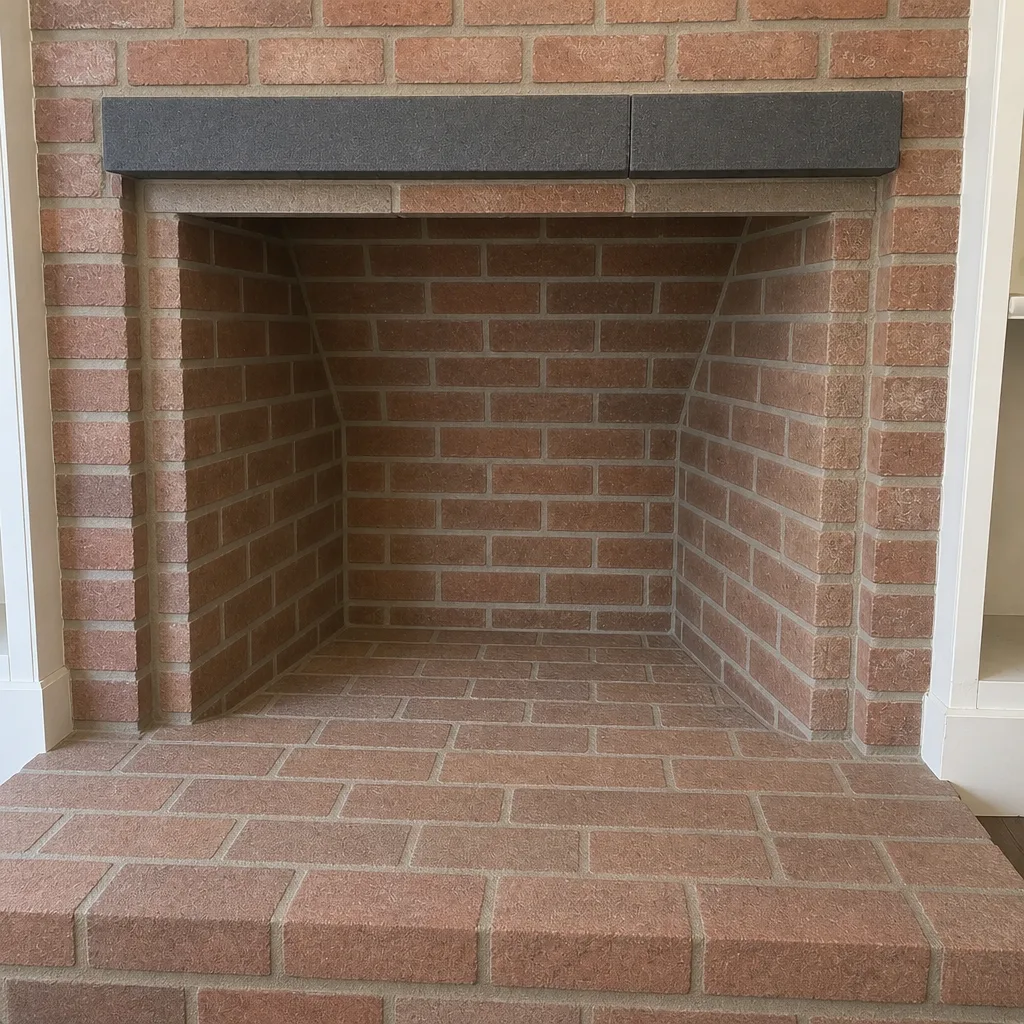
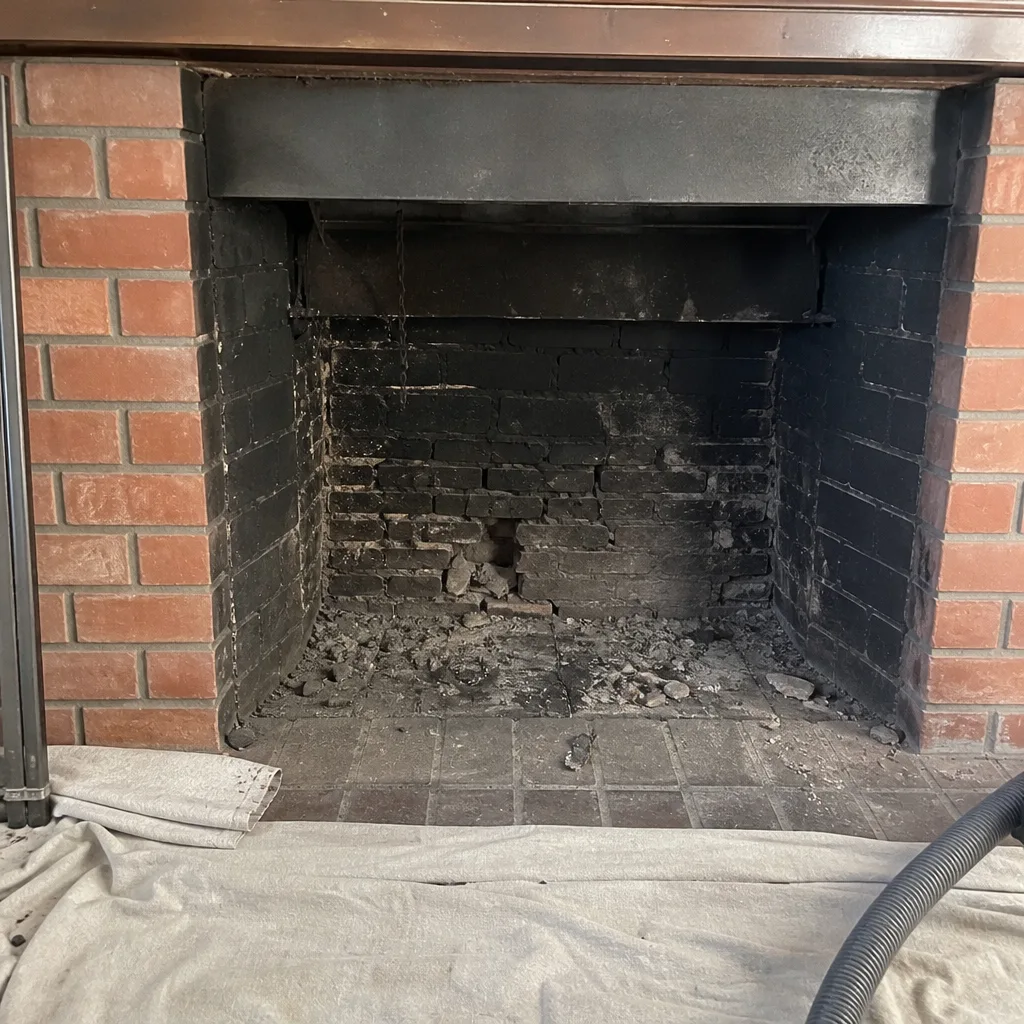
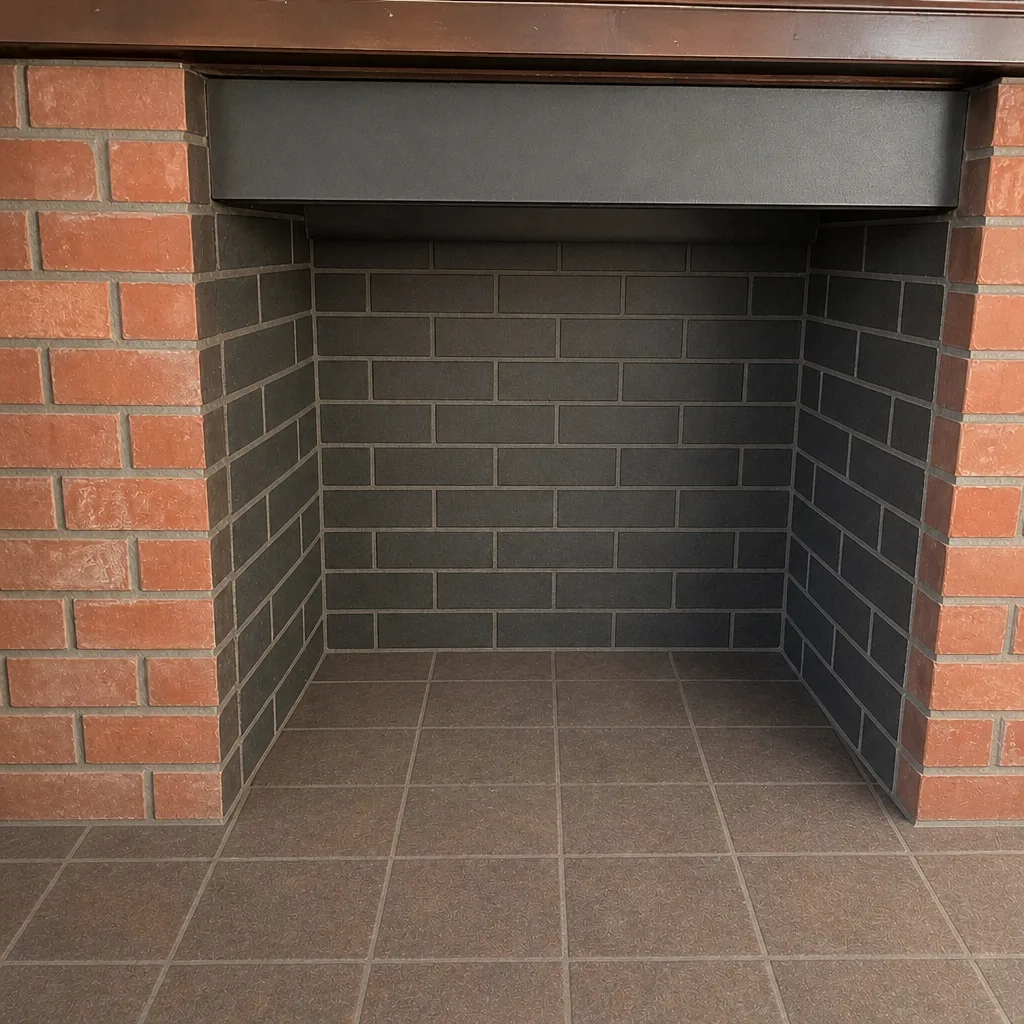
See the difference
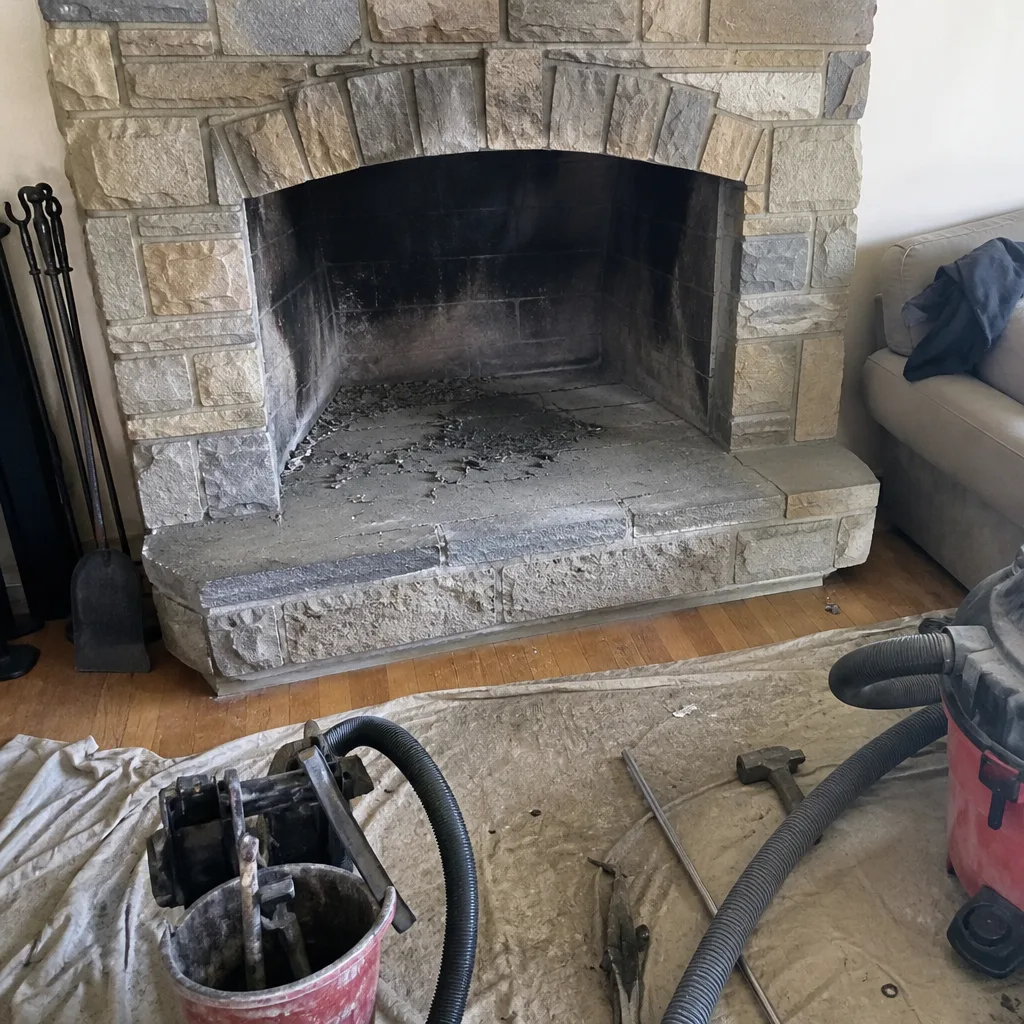 Before
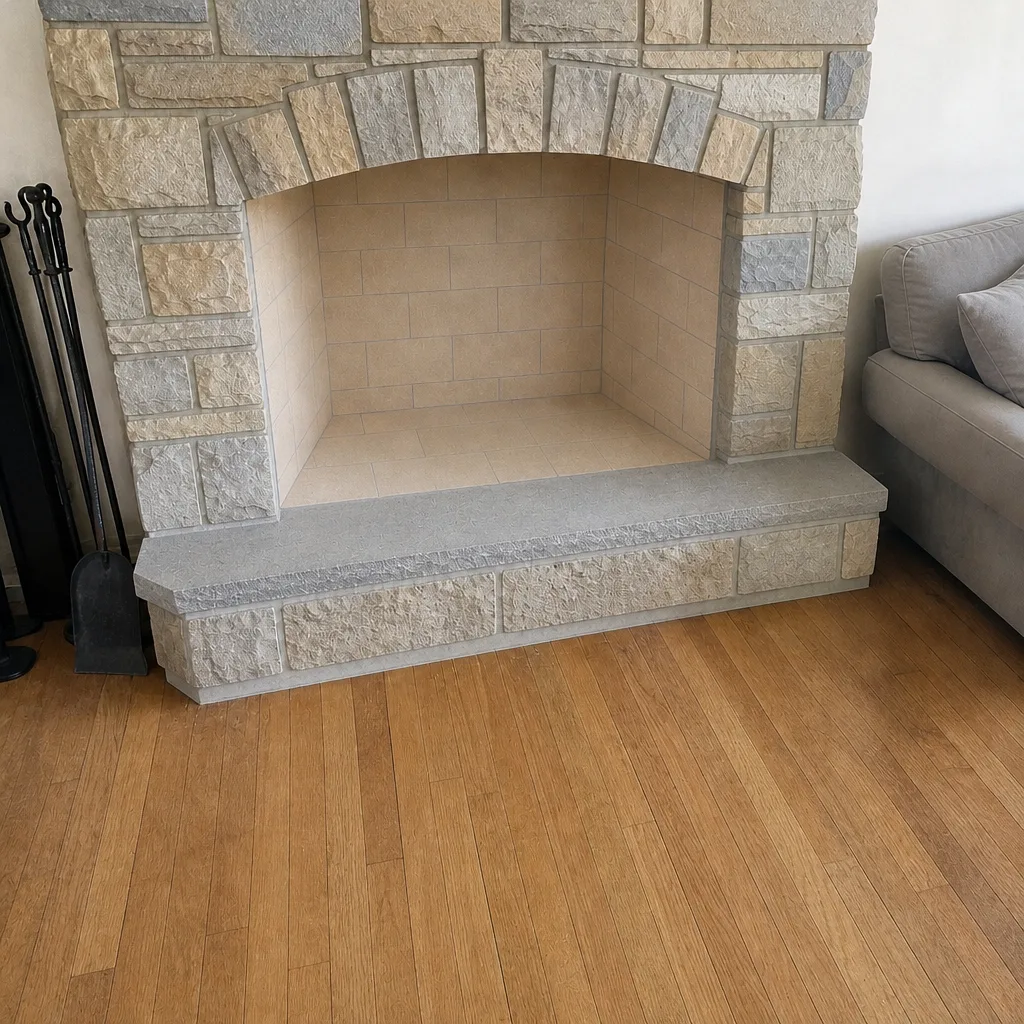 After
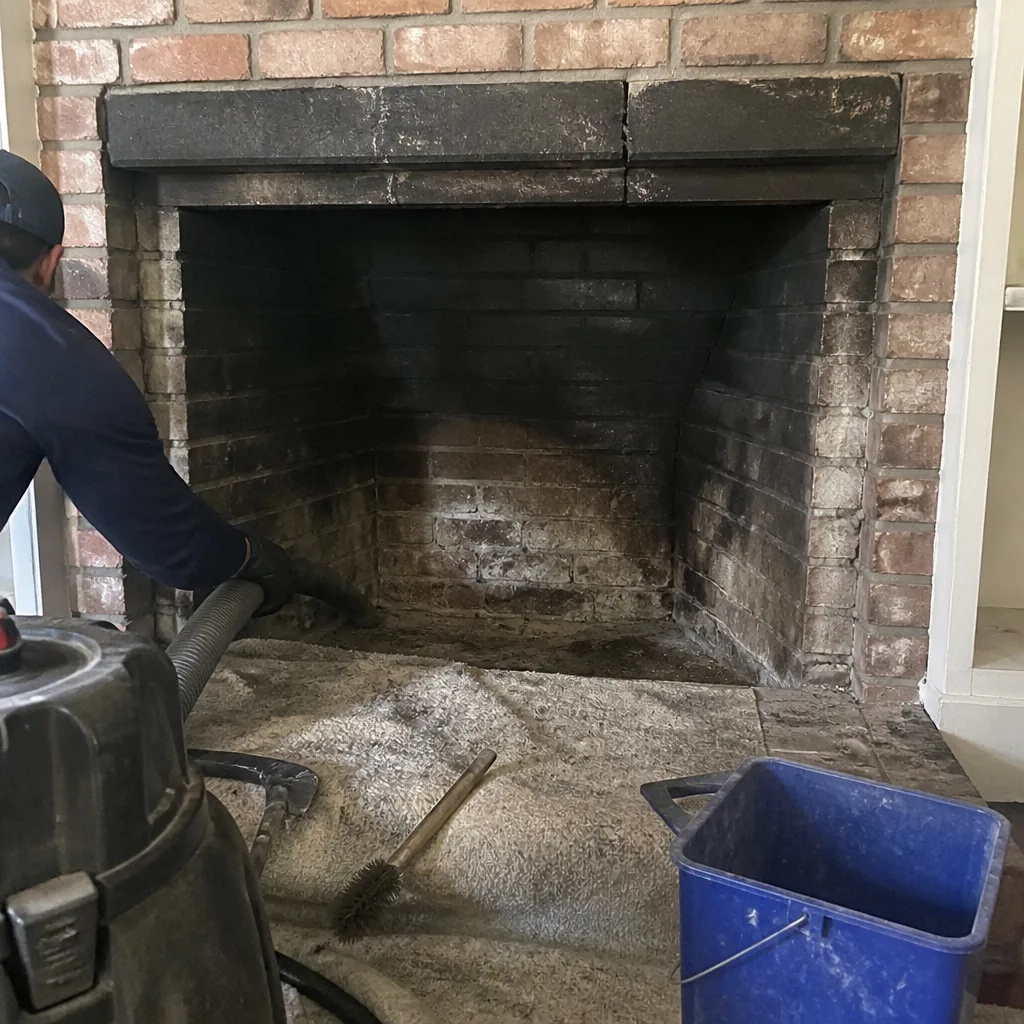 Before
 After
 Before
 After
When to Call a Professional
Some chimney problems wait; others shouldn’t. Call a professional when you smell a strong smoky odor that persists in the house, when smoke rolls back into the room while the fire is burning, when you notice dark stains or creosote flaking on the firebox, or when you’re having any kind of draft problem that’s new. A chimney fire you may not have noticed can leave damage behind, so any history of one warrants a Level 2 inspection. If you’ve never had the chimney inspected since buying the house, book an inspection before your first season of burning. Chimney Sweep Boise City offers free estimates in Boise City, and you can call (833) 486-7115. We answer 24/7. Fast dispatch from 7am to 7pm, Sunday through Friday.
Frequently Asked Questions
Yes, if you want the work done to a recognized standard. Idaho doesn’t license chimney sweeps, so CSIA certification is the most reliable credential to look for. It certifies that the technician passed an exam and adheres to a code of ethics. Ask before booking, and verify.
Pricing varies with the appliance type and whether a camera inspection is included, so ask for a written estimate rather than a phone quote. The estimate should itemize the sweep, the inspection level, and any identified repair as separate lines. Call (833) 486-7115 for a free estimate.
A Level 1 is a visual check of accessible parts of the chimney and firebox, with no camera. A Level 2 uses a video camera to inspect the flue interior and is required after a chimney fire, after an appliance change, or when buying or selling a home. A Level 2 is what a new homeowner typically needs.
That depends on the flue tile condition found during inspection. HeatShield resurfacing can repair and seal cracked tile without full liner replacement, while a damaged tile system beyond repair may need a DuraFlex or Olympia Chimney liner. You should see the camera footage before agreeing to either.
A fair estimate itemizes scope, states the materials by brand, and is backed by camera footage you can view. If a quote is a single round number with no breakdown, ask for a written detailed version before signing. Call (833) 486-7115 for a free estimate you can compare.
It depends on how often you actually burn and the state of the chimney. A camera inspection tells you what’s actually there. Even light use can leave creosote in a flue, and the first fire of the season is the riskiest if you don’t know the condition. Book an inspection and let the evidence decide.
The Bottom Line
Hiring a chimney cleaner in Boise City comes down to a few specific checks: confirm CSIA certification and liability insurance, ask five questions before booking, and read the estimate line by line for scope and materials. The companies worth hiring name their brands (DuraFlex, HeatShield, Olympia Chimney, Famco, Copperfield), show you the camera footage, and never recommend work they can’t document. If your chimney is due and you’d rather start with a straight answer than a sales pitch, call us. We handle the sweep, inspection, and repair as one service in Boise City, and every estimate starts with evidence. Chimney Sweep Boise City, (833) 486-7115. We answer 24/7. Fast dispatch from 7am to 7pm, Sunday through Friday.
Written by the team at Chimney Sweep Boise City.