
Last updated November 15, 2026
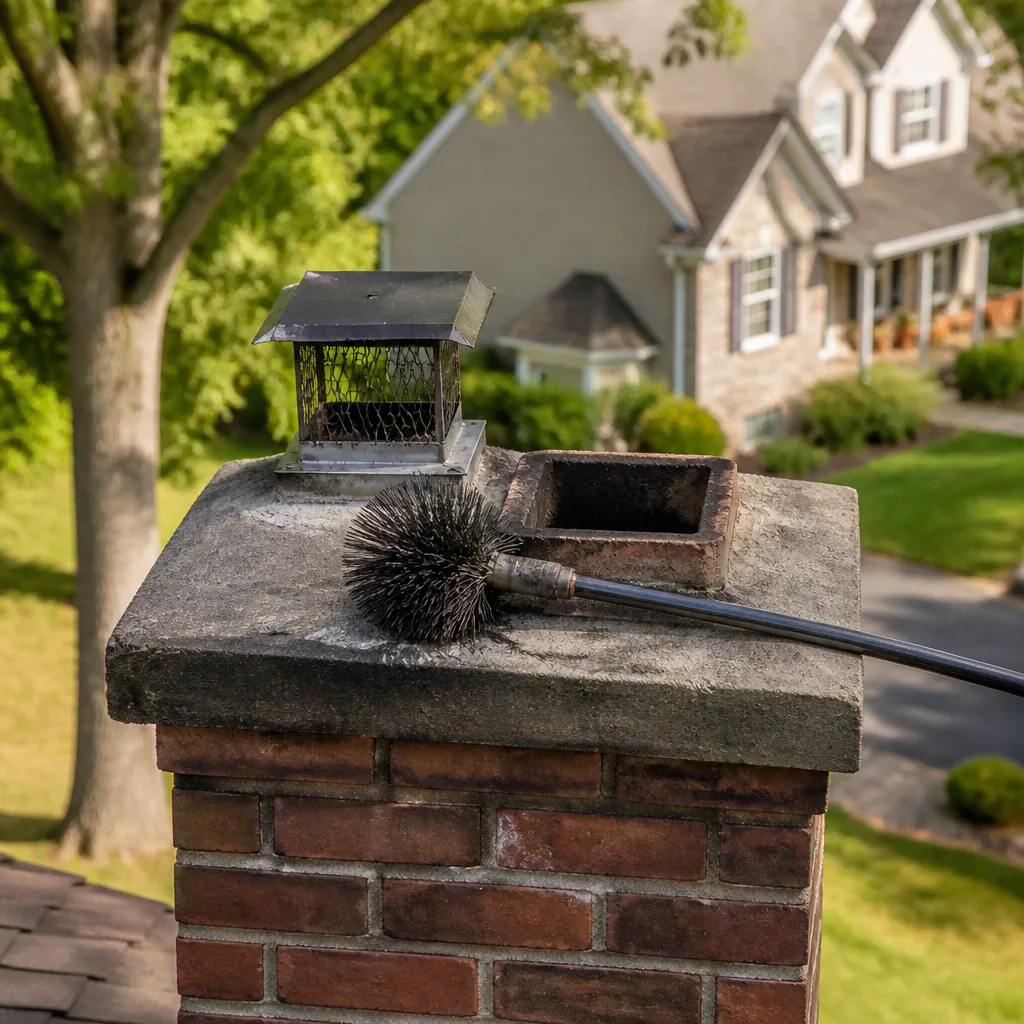 Sweep & inspection
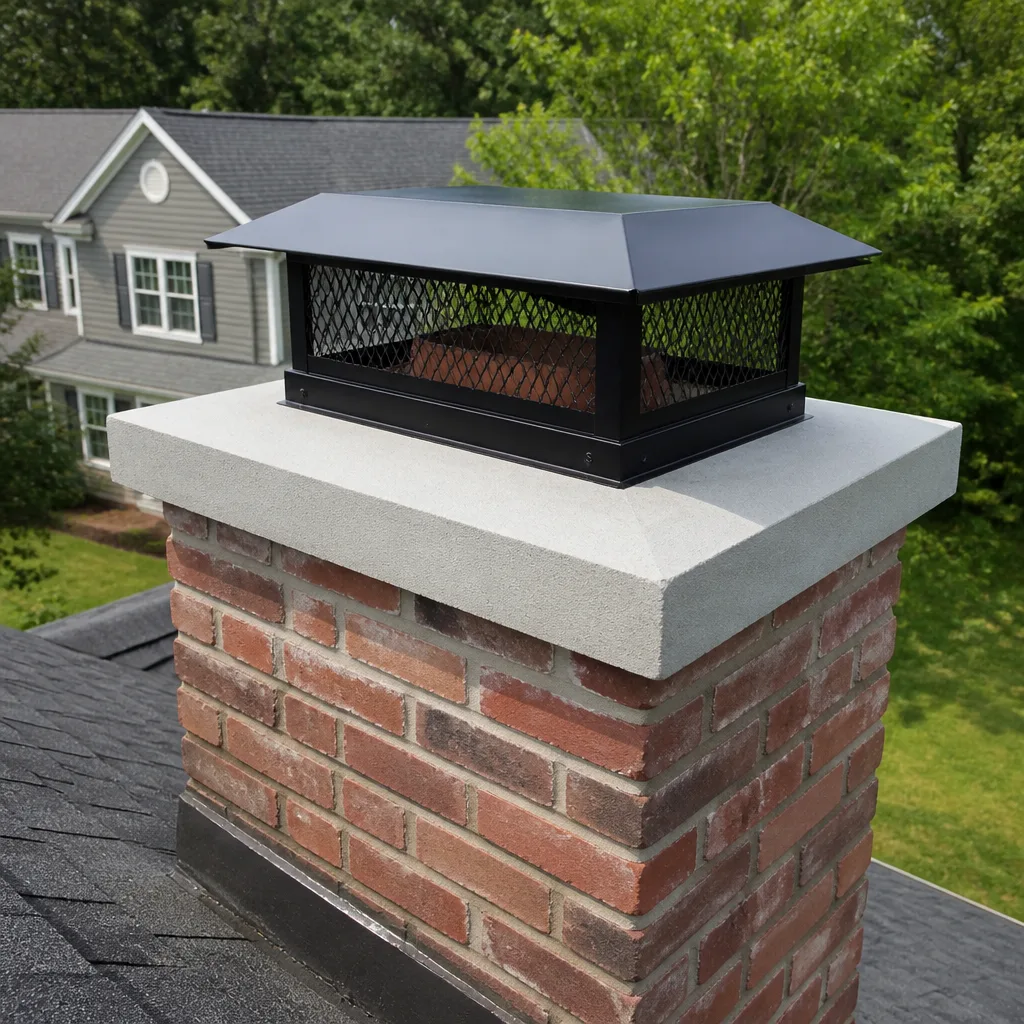 Caps & crowns
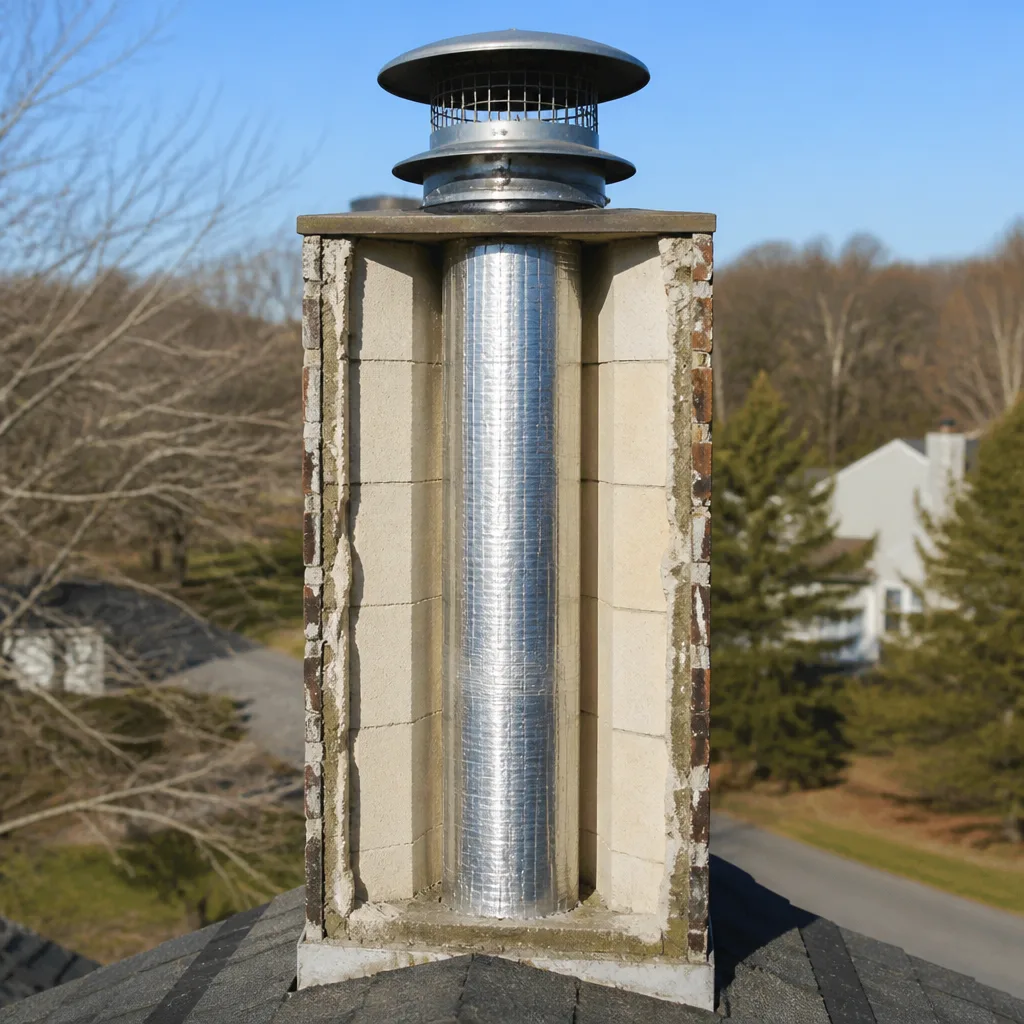 Flue relining
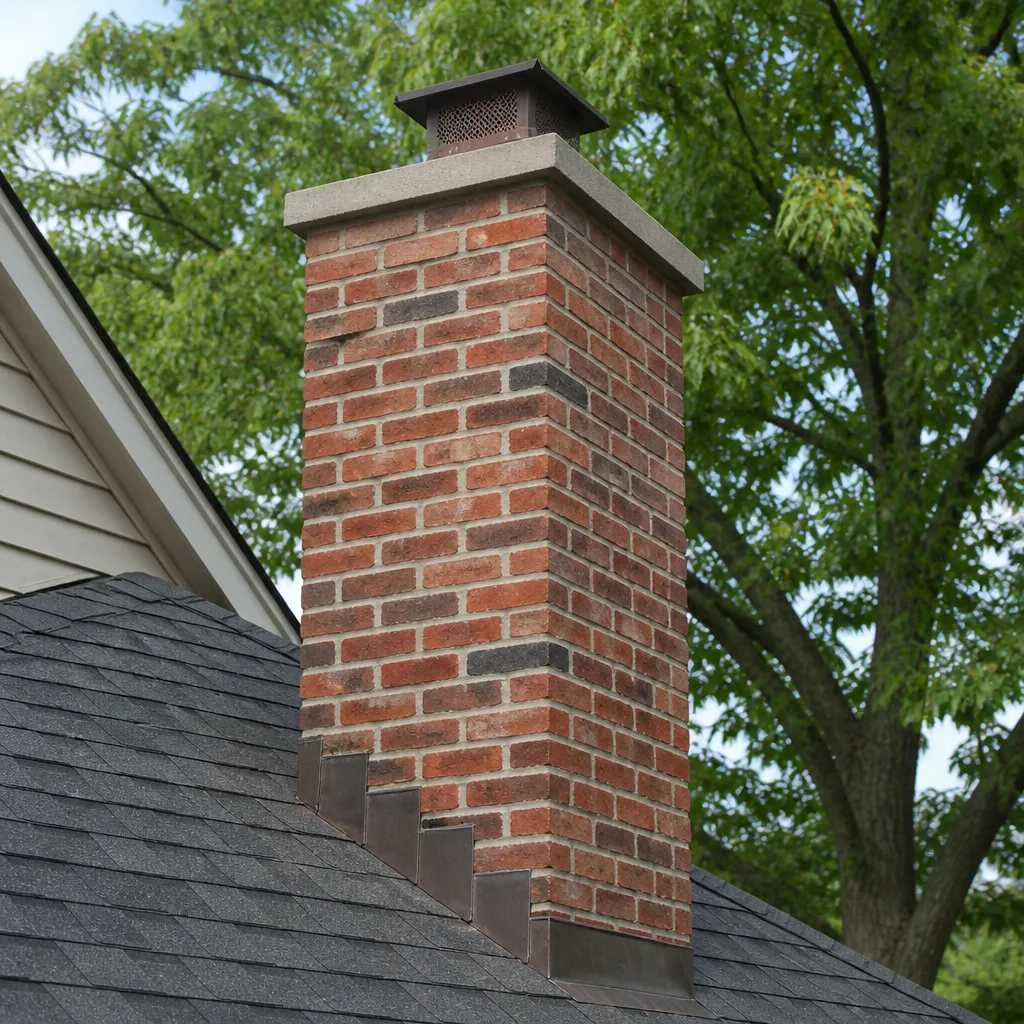 Masonry repair
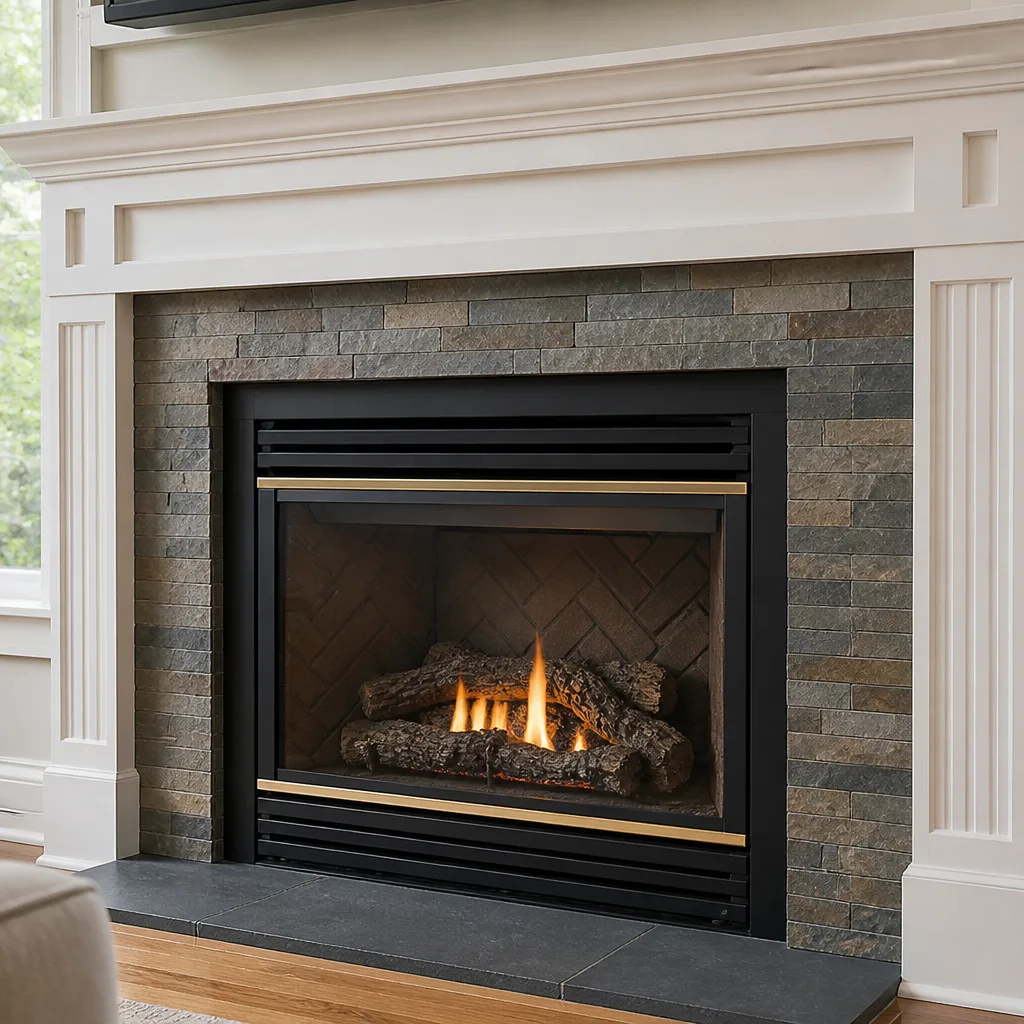 Gas fireplace service
Level 1 sweep and inspection to the NFPA 211 annual standard - flue, crown, cap, and flashing checked and photographed
Chimney sweep logs do not sweep chimneys. They loosen some creosote - which then falls where a brush and vacuum still have to collect it.
Seasonal Chimney Cleaning Care for Boise City: Year-Round Homeowner’s Guide
The advice you hear everywhere – clean the chimney once a year before winter – is only half a plan, and for Boise City homeowners it misses the season that does the most quiet damage. Summer is when chimney moisture damage works hardest here. The fireplace sits cold while humidity and sharp temperature swings between day and night work on mortar joints and liner tiles, and you won’t find out until you light the first fire in fall. A chimney is a year-round structure, not a November chore. This guide walks through what to watch in each of the four seasons, how to time a spring sweep, and what to check before the first cold snap.
Quick Answer
Boise City homeowners should treat chimney care as a four-season rhythm, not a single annual sweep. A late-spring sweep removes leftover creosote before summer heat hardens it, summer is the time to look for moisture intrusion and animal nesting, fall preparation should be timed to the first frost rather than a date on the calendar, and winter is for watching how the fire actually burns. A professional chimney sweep once a year plus a quick seasonal self-check catches the problems a once-a-year visit misses.
Styles & brands we work with
- Sweep & inspection
- Caps & crowns
- Flue relining
- Masonry repair
- Gas fireplace service
Table of Contents
- Why a Once-a-Year Sweep Misses Half the Problem in Boise City
- Spring: The Burn Season’s Last Call and the Late-March Sweep
- Summer: Moisture, Nesting, and Masonry Under Stress
- Fall: A Preparation Checklist Timed to the First Frost
- Winter: Reading How Your Fire Burns
- How Professional-Grade Materials Handle Boise’s Temperature Range
- Caps and Dampers: Summer Wear You Can Spot Before the Cold Snaps
- Building Your Seasonal Chimney Schedule
Why a Once-a-Year Sweep Misses Half the Problem in Boise City
Most chimney problems start silently. By the time a homeowner notices a smell, smoke coming into the room, or a stain on the ceiling near the flue, the cause has usually been working for months. A single annual sweep catches creosote buildup but skips the weather-driven damage that happens the other eleven months. In a high-desert climate like Boise City’s, that gap matters.
Here’s what we mean. The daily temperature swing in Boise City can be wide even in spring and fall. Masonry expands in afternoon heat and contracts overnight. That cycle runs hundreds of times a year. Small cracks at the crown or in mortar joints open and close with the movement, and water finds them. Meanwhile, the fireplace itself may be unused for months at a stretch while a cold flue pulls humid air up from the house and condenses on cool inner surfaces.
So the question is not “did the chimney get swept this year?” The better question is whether anyone looked at the chimney’s condition through the seasons. A sweep is one part of that. A visual inspection of the cap, crown and flashing, plus a check of the firebox and liner, is the rest. Those checks catch problems at the stage where they are cheap to fix, before a cracked crown becomes water-damaged framing or a failing liner becomes a carbon monoxide concern.
What this guide covers:
- What to look for in spring, summer, fall and winter
- Why the late-March sweep matters more than most homeowners realize
- How to time fall preparation to your own frost, not a fixed date
- How professional-grade liners and resurfacing systems handle Boise’s swing between hot summers and cold winters
- Which wear items you can spot yourself before the first freeze
None of it requires tools or climbing. A good seasonal routine is almost entirely about knowing what to look at and when to call.
Spring: The Burn Season’s Last Call and the Late-March Sweep
The most-skipped step in chimney care is the spring sweep. Think about what happens if you clean the chimney in October and then burn through the winter and into spring. Creosote deposits build all season. If those deposits sit through the warm months, summer heat can bake them into a harder, glazed layer that’s much more stubborn to remove, and which is also more flammable.
Late March is often the right window in Boise City because the coldest nights are usually behind you and the spring burn – the “one more fire” evenings – is winding down. But it’s a window, not a rule. If you burn into April, sweep after the last fire. The principle is simple: clear the flue once the burn season ends so the deposits never sit through summer.
What a spring sweep actually does:
- Removes the loose and medium creosote that accumulated over the winter burn.
- Lets the technician get a clear look at the flue while it’s still clean, which is the best time to catch a failing liner, a cracked tile, or a damaged damper.
- Gives you a written record of condition before summer weather starts stressing the structure.
- Removes ash and soot that would otherwise pull moisture and hold it against the firebox.
The sweep is also the natural moment for a visual inspection. Not every homeowner needs a camera inspection every year, but a professional-grade visual check at the same visit is where real value sits. Our technicians have up to 8 years of experience, and the routine of a spring visit is where most issues are caught early.
One more spring point: exterior masonry. Look at the crown at the top of the chimney. Any crack wider than a hairline is worth pointing out to a professional. In Boise City, the freeze-thaw swing between March and April opens those cracks further, and water entering the crown works down the chimney. Spring is when you want that fixed, not September.
Summer: Moisture, Nesting, and Masonry Under Stress
Summer is the season of quiet chimney damage. The fire is out, so most homeowners assume the chimney is “resting.” The opposite is true. Three things happen to a Boise City chimney in summer that don’t happen the rest of the year.
Moisture intrusion
Water is the single most damaging thing to a masonry chimney. It gets in through the crown, cracks in mortar, and gaps around the flashing where the chimney meets the roof. Once inside, it freezes and thaws in the shoulder seasons, expands, and widens the cracks it entered through. The cycle repeats. Summer storms and afternoon humidity feed that process while no fire is burning to drive the moisture back out.
What to look for from inside the house:
- Any new water stain on the ceiling or wall near the chimney
- White, chalky powder on exterior brick (efflorescence), which often signals water moving through the masonry
- A musty or smoky smell in the room even when no fire has been lit
- Rust on the firebox, damper, or the metal parts of the fireplace
Animal nesting
Chimney birds, squirrels and other animals treat a cold flue as a quiet spot for a nest, and summer is when they’re most active. A nest is a fire hazard and a blockage, and it can send a strong draft of smoke into the room the first time you light a fire in fall. A properly fitted chimney cap is the simplest prevention. If you don’t have one, or it’s loose or bent, get it checked before summer ends.
Masonry expansion stress
Boise City’s summer heat expands the masonry during the day and cools it at night. That micro-movement, repeated over weeks, is what turns a hairline crack in the crown or mortar joint into a problem that needs repair. It’s also why a summer visual check of the crown and upper chimney is worth the small effort. Catching a crack in July is much cheaper than repairing a chimney in October. For a full look at what repair work involves, see our chimney repair page.
Fall: A Preparation Checklist Timed to the First Frost
Every chimney guide tells you to “sweep before winter.” That advice is far too vague for a Boise City homeowner, because “winter” arrives on a different date each year and the weather that actually matters is the first hard frost. Rather than picking a calendar date, watch the forecast and time your fall prep for 1-2 weeks before the first frost is expected. That way the chimney is clean, checked and weather-tight when the frost hits, and you’re not calling a sweep after the first cold snap when everyone else is.
Fall checklist, in order:
- Book the sweep. Get on a professional’s schedule well before the cold arrives. If it’s been more than a year, or you burn a lot of fires, a sweep is due.
- Check the cap. Make sure it’s intact, attached and free of debris. A loose cap is a four-season problem; in fall, with leaves and early storms, it fails faster.
- Look at the damper. Open and close it a few times. It should move smoothly and seal when closed. A stuck-open damper wastes heat; a stuck-closed one fills the room with smoke.
- Test the smoke draw. With no fire, light a small piece of paper near the open damper and watch the smoke. It should go up the flue, not into the room. If it doesn’t draw, that’s a professional check.
- Inspect the firebox. Look for loose bricks, cracked mortar, or gaps in the firebox back wall. Never patch a firebox with ordinary mortar – it isn’t rated for the heat.
- Stock and season firewood. Seasoned wood burns hotter and cleaner than green wood, which cuts down creosote the whole winter. Keep firewood stacked away from the chimney itself.
- Confirm smoke and carbon monoxide detectors. Test every unit before the burn season. A chimney problem is a fire and CO concern, and detectors are your backstop.
The frost timing matters because the shoulder-season temperature swing is exactly what opens small cracks. If you inspect two weeks before frost, you still have time to seal a crown or repair flashing before the freezing starts.
Winter: Reading How Your Fire Burns
Winter is not the season for climbing on the roof or opening up the firebox for a deep look. It’s the season for reading what your fire is telling you. A well-drawn fire burns hot and clear, with little smoke at startup and none once the firebox is warm. Any change in that behavior is a signal.
Winter warning signs worth a call:
- Smoke drifting into the room when the fire is lit
- A strong, smoky smell in the house even after the fire is out
- Creosote flakes or soot visible at the chimney top or around the firebox
- A fire that struggles to get going or burns “cool” compared with previous years
- Any chimney fire – even a short, quiet one that sounds like a low roar or a whoosh
If you think you’ve had a chimney fire, treat it as serious even if there was no visible damage. Chimney fires can crack liner tiles in ways you can’t see, and a cracked liner is a real carbon monoxide hazard. Have the chimney inspected before you use it again.
Also watch how the winter heat behaves in the house. A fire that used to warm the room but now underperforms can be a sign of a partially blocked flue or a misfunctioning damper. Neither is an emergency, but both are cheaper to fix in March than they are to fix in the middle of the burn season.
And on safety: none of this is a DIY job when it involves opening the flue, climbing the chimney or dealing with the firebox. A trained professional handles anything that involves the liner, the firebox structure, or the top of the chimney. Chimney fires and carbon monoxide are real hazards. The seasonal self-checks above are safe for any homeowner; anything past that belongs with a professional.
How Professional-Grade Materials Handle Boise’s Temperature Range
Boise City’s climate is hard on chimney components. Summer heat, shoulder-season freeze-thaw cycles, and winter cold combine to stress everything from mortar to liner material. That’s why the materials inside your chimney matter as much as how well it’s cleaned.
When a liner is being replaced, the professional-grade choice is a flexible stainless system like DuraFlex. It’s specified by chimney professionals because it handles the temperature swings and stays compliant with code. A generic liner sold at a hardware store may not have the same rated performance, and the difference shows up years later when the flue has been through a few seasons of Boise weather.
When the flue is structurally sound but the inner surface has cracks or pitting, resurfacing is often the better repair. The industry’s leading chimney resurfacing system, HeatShield, is engineered to restore the inner flue without a full liner replacement. That extends the chimney’s life and is a repair most generalist sweeps can’t offer.
For caps, flashing and the metal components that live on the roof year-round, we source from Gelco and Olympia Chimney. These are professional-tier supply lines, not homeowner-DIY substitutes, and that matters when the cap has to survive a Boise City summer of heat and a winter of frost without loosening.
The point of all this is simple: the materials determine how well the chimney handles the seasonal swing. When any of these components is already in place, a seasonal check is a light-touch inspection. When a component is generic or worn, the seasonal stress finds it faster. The full picture of how we approach a project is on the Chimney Sweep Boise City page.
Caps and Dampers: Summer Wear You Can Spot Before the Cold Snaps
Chimney caps and dampers are the two components most exposed to summer wear, and they’re also the ones a homeowner can check without climbing anything. A cap takes the full brunt of sun, rain, wind and nesting birds. A damper takes the daily swing of hot and cold air inside the flue when the fire isn’t running.
What to look for on a cap, from the ground with binoculars or from a ladder at a safe spot:
- Bent or missing mesh
- Rust streaks running down the metal
- The cap sitting at an angle or loose on the flue
- Visible debris (leaves, twigs, nests) wedged under it
- A cap that has pulled away from the flue opening enough to let water in
What to look for on a damper, from inside the firebox:
- Rust on the metal plate or frame
- The plate not sealing fully when closed
- A stiff or stuck operating handle
- Missing or warped linkage
A rusted cap or a stuck damper isn’t an emergency, but in a Boise City summer it’s the kind of small problem that turns into a bigger one by the first cold snap. A warped cap lets water in. A stuck-closed damper fills the room with smoke the first time you light a fire in fall. Neither surprise is welcome, and both are easy to address before the season turns.
Building Your Seasonal Chimney Schedule
Here’s the whole year in one place. Pin this to the fridge if it helps.
- Early spring (after the last fire): Book a professional sweep to clear winter creosote before summer heat sets it. Ask for a visual inspection at the same visit.
- Late spring: Look at the exterior crown and mortar. Any hairline crack is worth flagging to a professional before the summer expansion cycle widens it.
- Mid-summer: Check for animal nesting and confirm the cap is intact. Look for interior water stains or chalky exterior brick.
- Late summer: Check the damper and firebox. Make a note of anything that seems loose, warped or stuck.
- Early fall (1-2 weeks before first frost): Book the sweep, if it wasn’t done in spring. Test the smoke draw. Confirm carbon monoxide detectors. Season your firewood.
- Winter: Watch the fire. Any change in draw, smell, or heat output is a call.
What the schedule does is catch problems at the stage where they’re cheap to fix. The alternative – the once-a-year approach – is what lets a small crack become a water-damaged crown or a tired liner become a CO concern. In our experience, most chimney work in Boise City that ends up expensive started as a small warning missed in the off-season.
For homeowners who have recently bought a house in Boise City, the seasonal schedule is even more valuable because you’re establishing a baseline. A first-year sweep and inspection tells you what the chimney actually is. Every season after that builds on that record.
Common Mistakes to Avoid
- Washing down a chimney you should be sweeping. Some homeowners rinse the firebox with water when it’s dirty. That pushes moisture into masonry that then takes weeks to dry – and in a Boise City spring, it’s still drying during the next cold snap. Sweep dry instead.
- Skipping the spring sweep because “it’s not winter yet.” The spring sweep is the one that stops creosote from baking into a glaze through summer heat. Missing it is the most common seasonal mistake we see.
- Patching a crown or firebox with ordinary mortar. Standard mortar isn’t rated for the heat a firebox or the top of a chimney sees. Use heat-rated materials only, and let a professional handle the firebox and crown.
- Ignoring a loose or missing chimney cap. The cap is the chimney’s raincoat. An open top invites water, nesting animals and debris, and a Boise City summer is exactly when all three are most active.
- Burning green or unseasoned wood. Unseasoned wood produces more creosote, which is harder to remove and more flammable. Season your firewood and burn dry.
- Running a fire after a suspected chimney fire. A short, quiet chimney fire can still have cracked a liner tile. Have the chimney inspected before you use it again.
- Treating a professional sweep as a one-time visit. A chimney is a structure that changes season to season. A sweep once every few years with no inspection in between misses the seasonal weather damage the flue goes through the rest of the time.
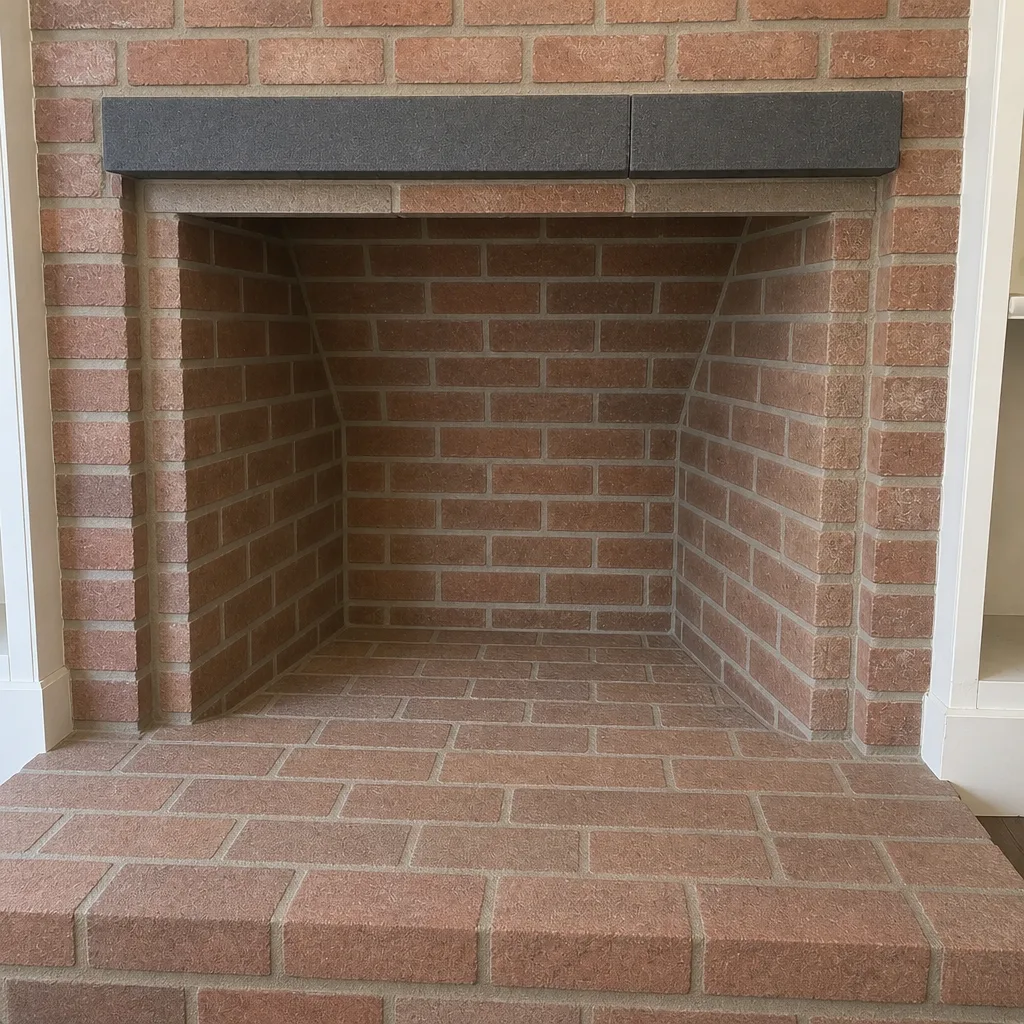
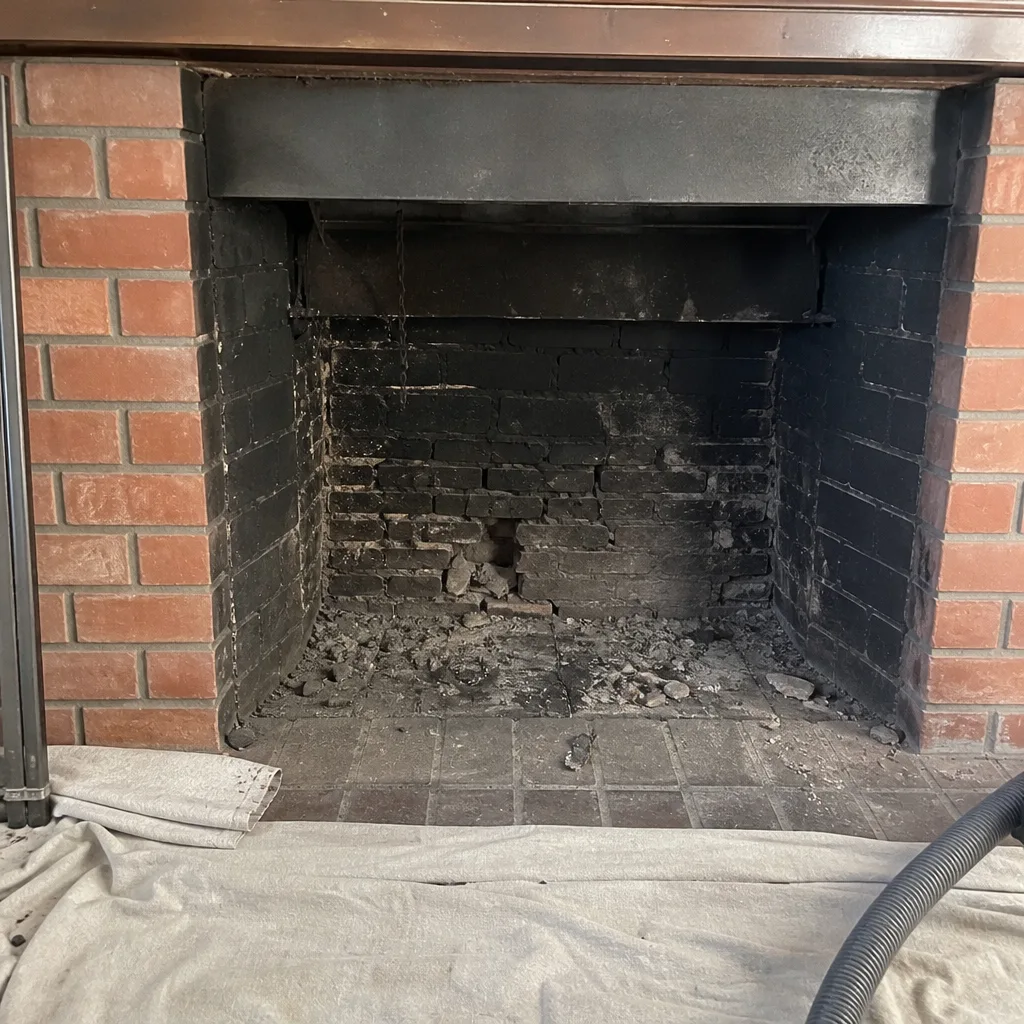
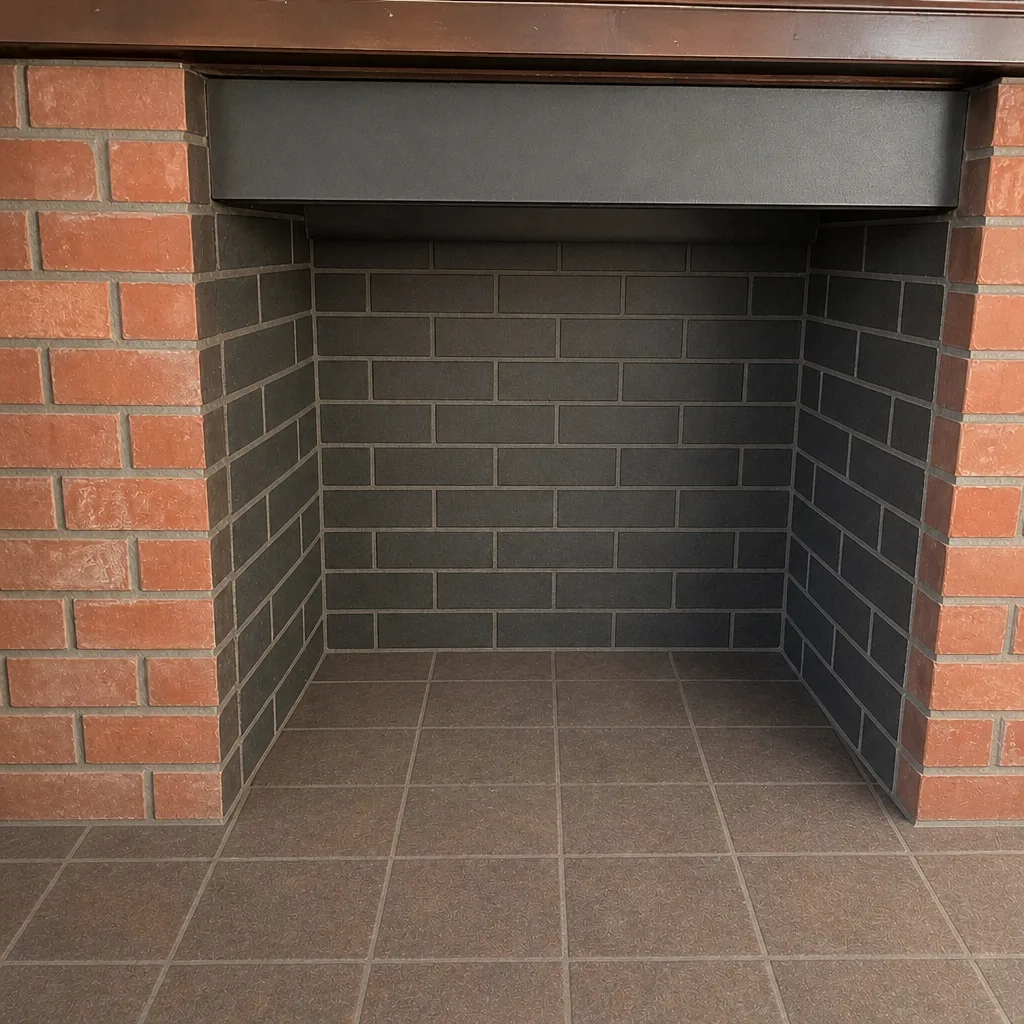
See the difference
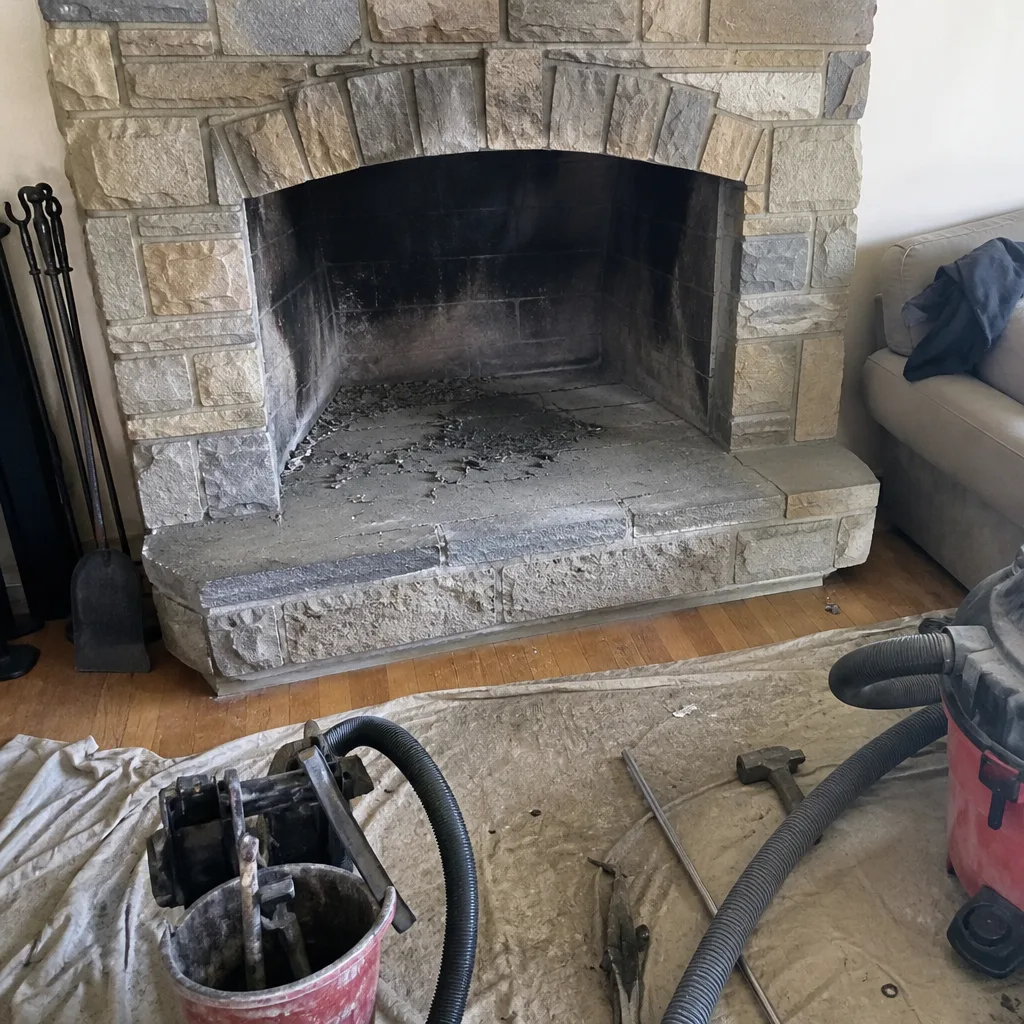 Before
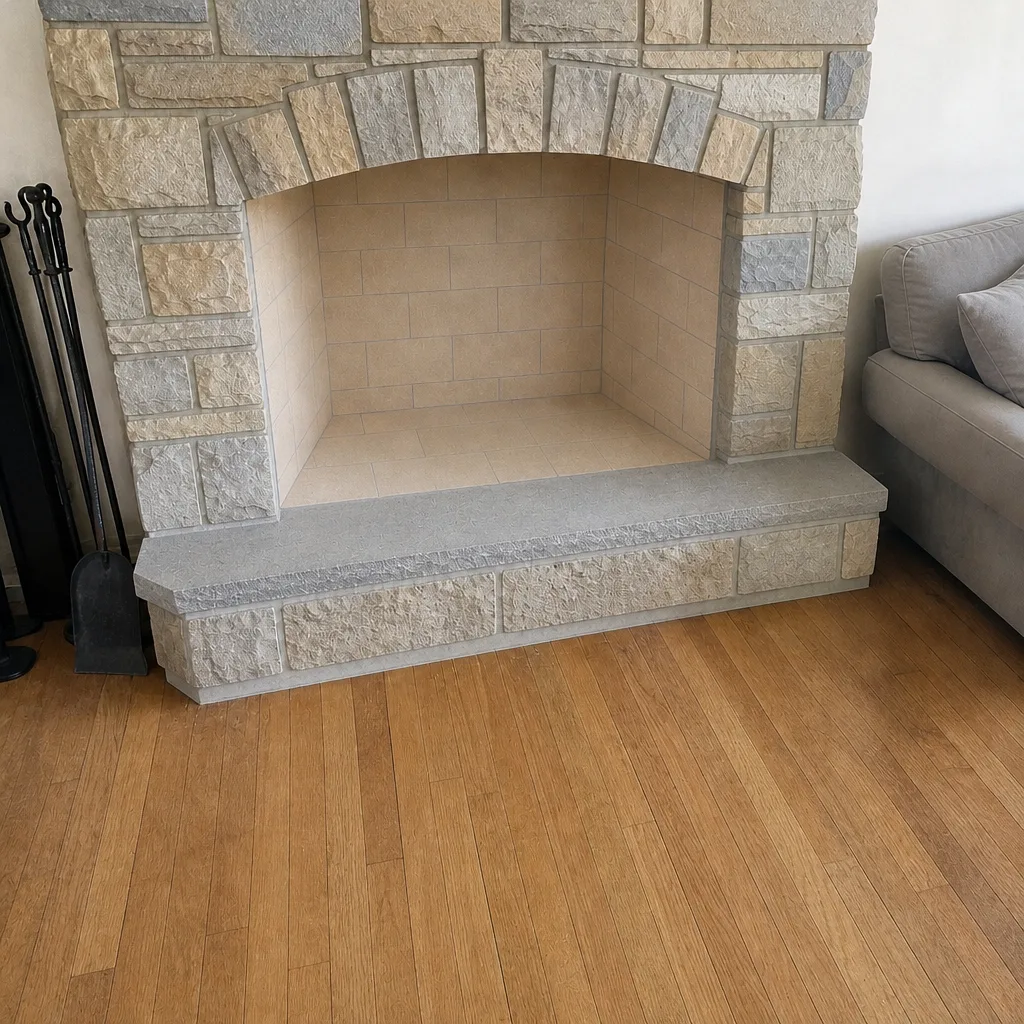 After
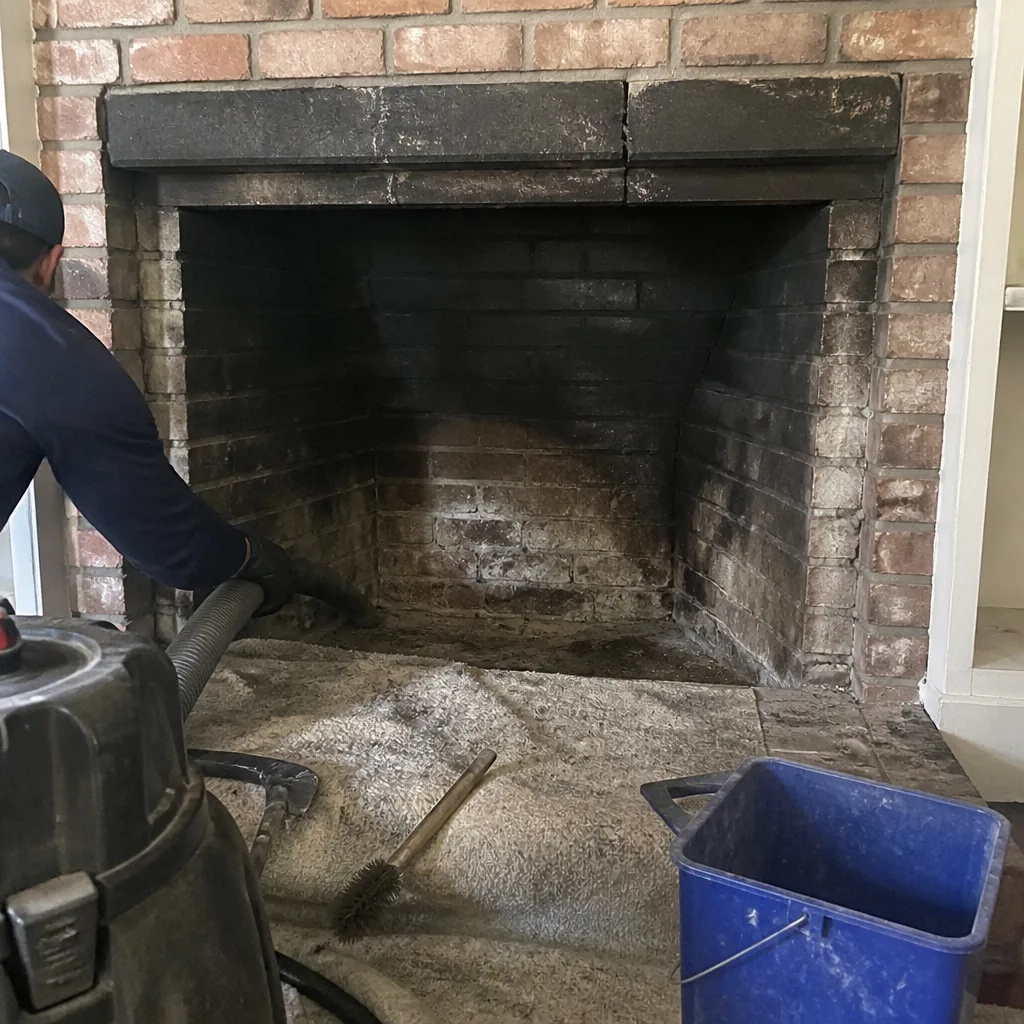 Before
 After
 Before
 After
When to Call a Professional
Some chimney work is a self-check; some is a call. The line is simple. Any of these is a professional job: smoke coming into the room, a suspected chimney fire, a smell of smoke in the house with no fire burning, water stains near the chimney, visible cracks in the firebox or crown, a stuck or failed damper, an animal nest in the flue, or a chimney that hasn’t been swept in a year or more. If you’re in Boise City, we can look at any of these. Our technicians have up to 8 years of experience, and we handle sweep, inspection and repair as one job, so there’s no referral runaround between contractors. Chimney Sweep Boise City offers free estimates in Boise City – call (833) 486-7115. We answer 24/7. Fast dispatch from 7am to 7pm, Sunday through Friday.
Frequently Asked Questions
Once a year is the general standard, and in Boise City the best time is late spring, after the last fire, so creosote doesn’t sit through summer heat. Homeowners who burn heavily, or who burn unseasoned wood, may need it more often. If it’s been more than a year since the last sweep, book one.
Because summer is when water and animals do the most damage. Moisture gets into cracks in the crown and mortar, an uncovered flue invites nesting, and the daily expansion of masonry under Boise City heat widens any small crack. A summer check catches all three while they’re still minor.
A spring sweep clears winter creosote before it can bake into a harder, glazed layer during summer heat. Glazed creosote is more stubborn to remove and more flammable. The spring sweep also gets a clean look at the flue, which is the best time to spot a failing liner or a cracked tile.
Look for rust streaks, bent or missing mesh, or a cap sitting at an angle. On the damper, look for a plate that doesn’t seal, a stiff handle or visible rust. Any of those is worth having a professional check before the first cold snap, since a failed cap lets water in and a stuck-closed damper fills the room with smoke.
Not always. A liner replacement is sometimes the right repair, and sometimes resurfacing with a system like HeatShield is enough to restore the flue. The right answer depends on a proper inspection. Ask for a written inspection report and photographs, and don’t assume the biggest repair is the only one until you’ve seen the evidence for yourself.
Nothing dramatic at first – which is why it’s easy to skip. Creosote builds, a small crack in the crown opens further through the freeze-thaw cycle, and a worn damper or cap gets worse in the background. The bill two or three years later is for repair, not a sweep. The cost of keeping up is much smaller than the cost of catching up.
The Bottom Line
Seasonal chimney care in Boise City isn’t one annual sweep – it’s four small checkpoints across the year. Spring is the sweep and inspection window. Summer is the moisture and nesting season, and the time to catch masonry cracks. Fall is preparation, timed to your own first frost rather than a fixed date. Winter is for reading how the fire burns. A chimney that gets cared for through all four seasons is safer, lasts longer and doesn’t surprise you in the middle of a cold snap. If your fireplace or furnace flue is due for a sweep, an inspection, or a look at what the off-season did, get it on a professional’s schedule. See Boise City for the local services we cover, and call (833) 486-7115 for a free estimate. We answer 24/7. Fast dispatch from 7am to 7pm, Sunday through Friday.
Written by the team at Chimney Sweep Boise City.