
Last updated November 15, 2026
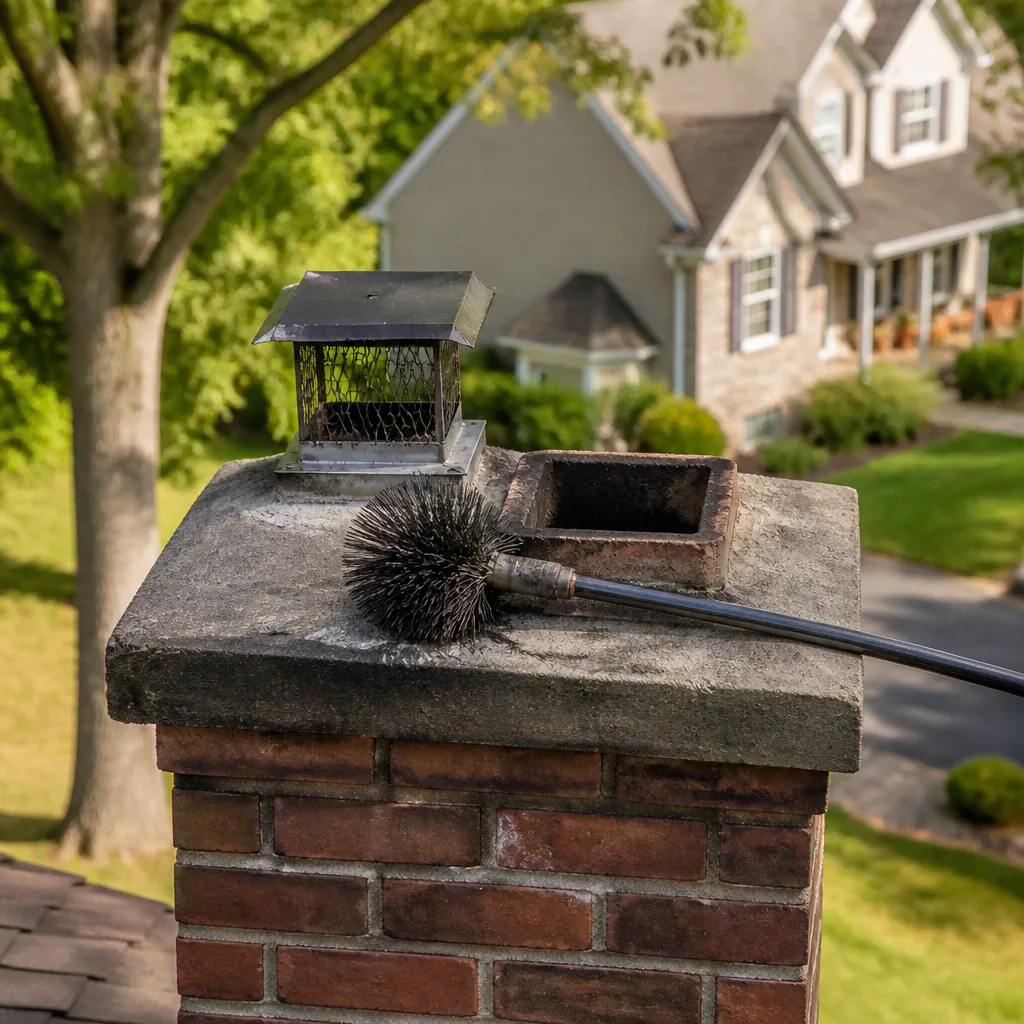 Sweep & inspection
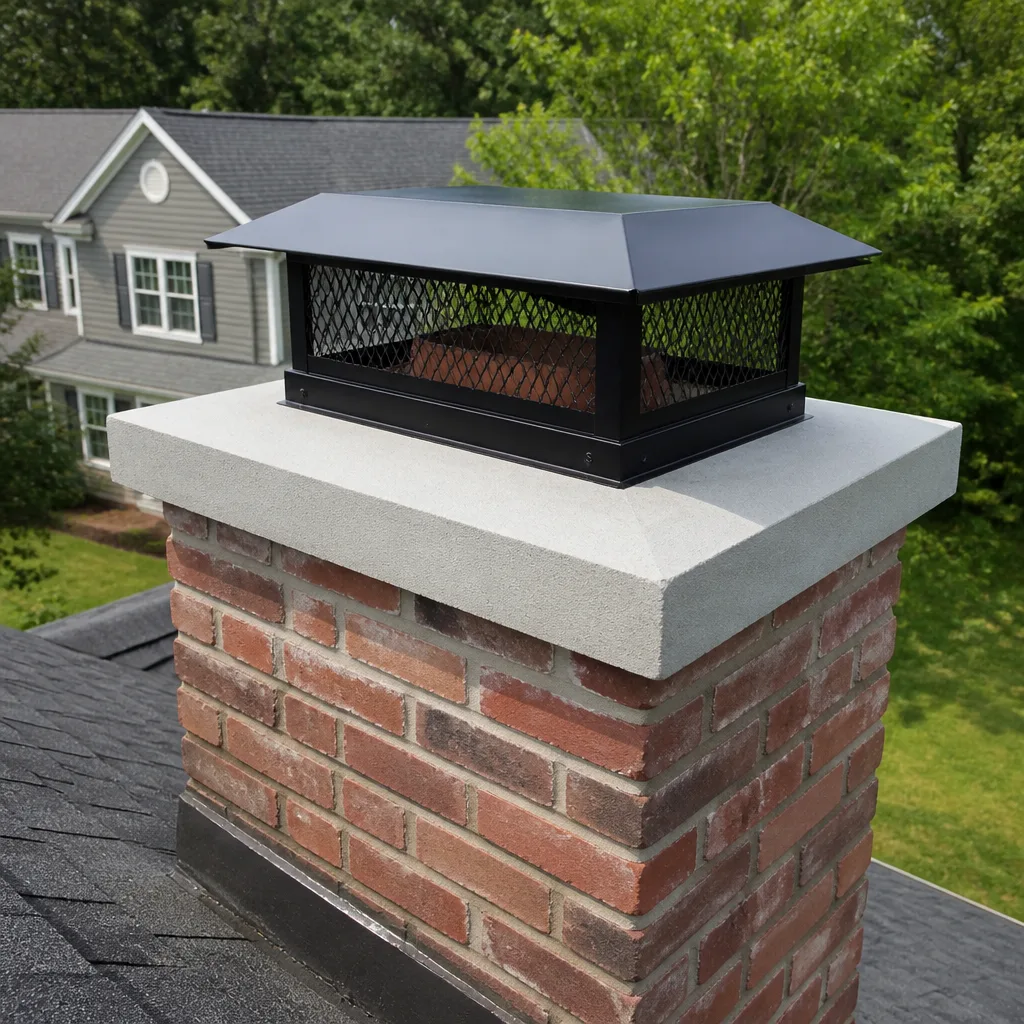 Caps & crowns
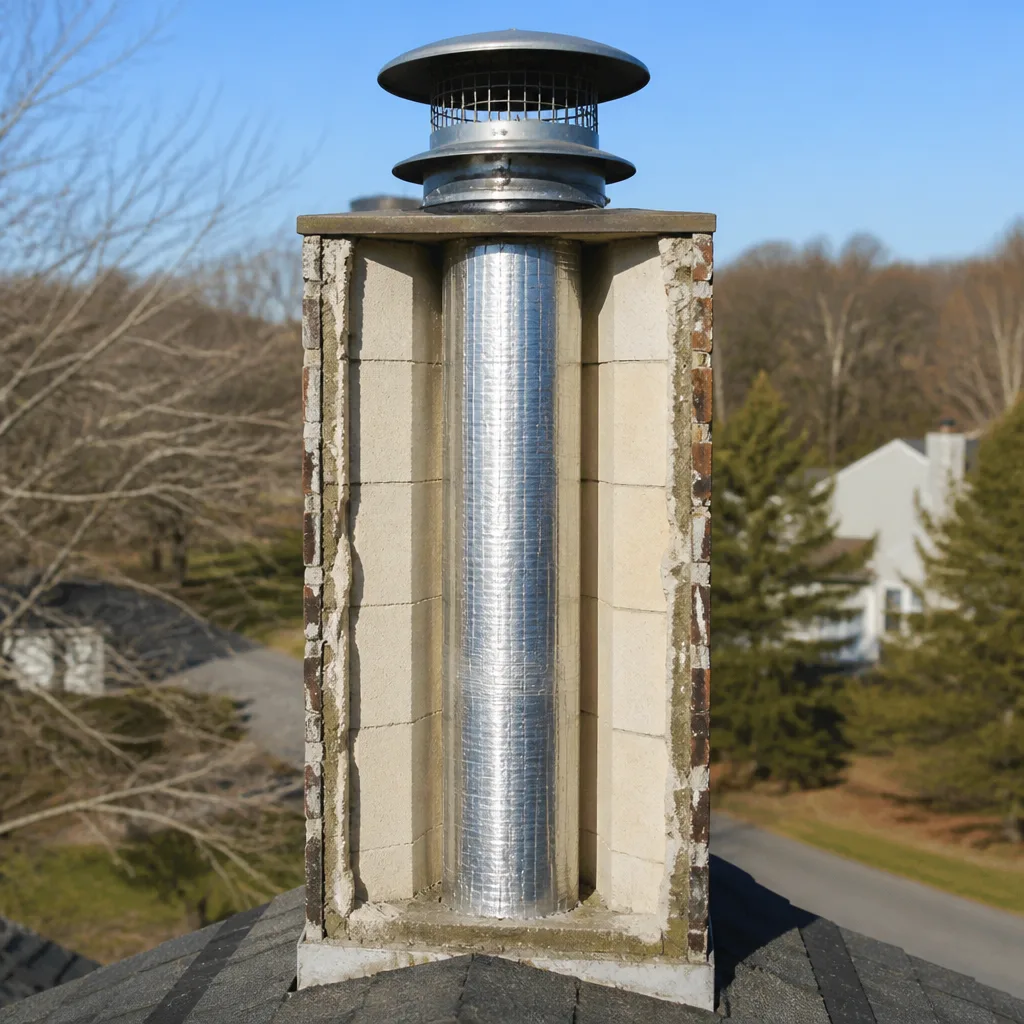 Flue relining
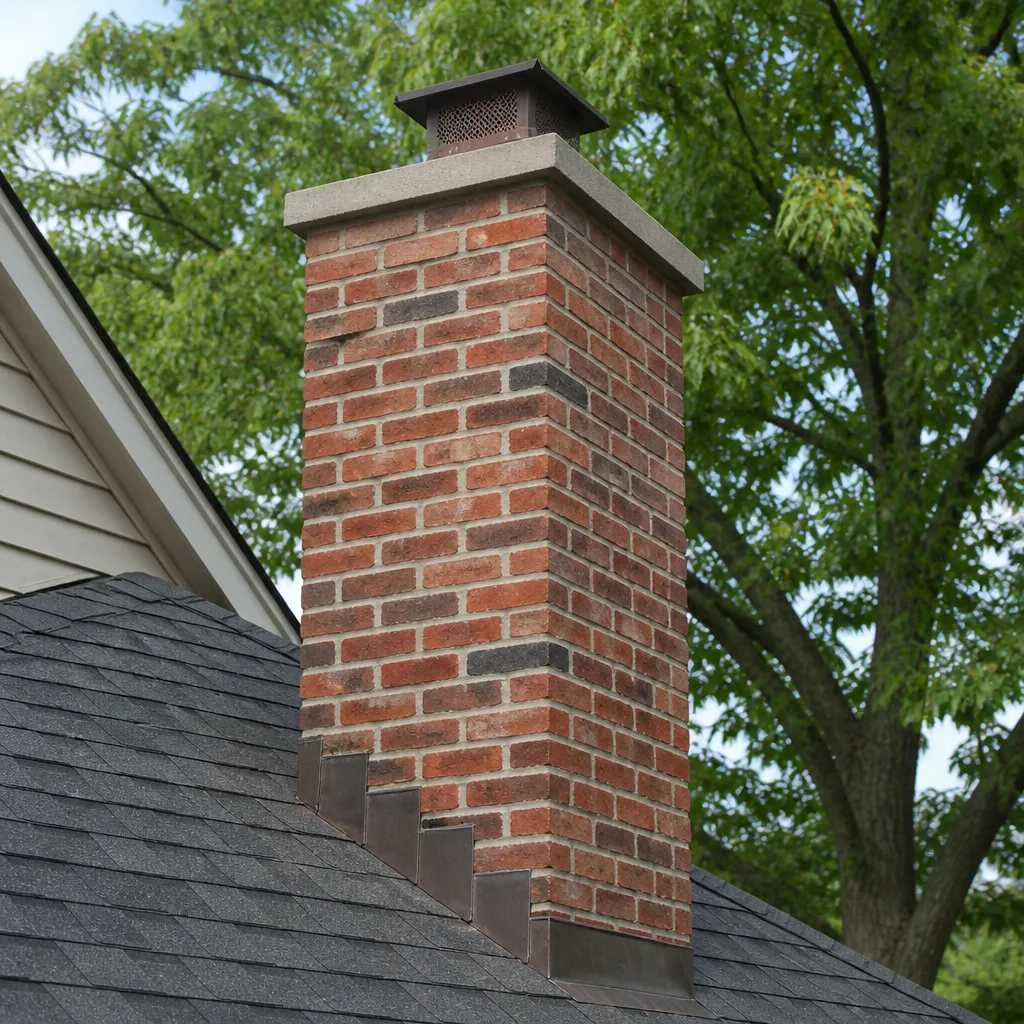 Masonry repair
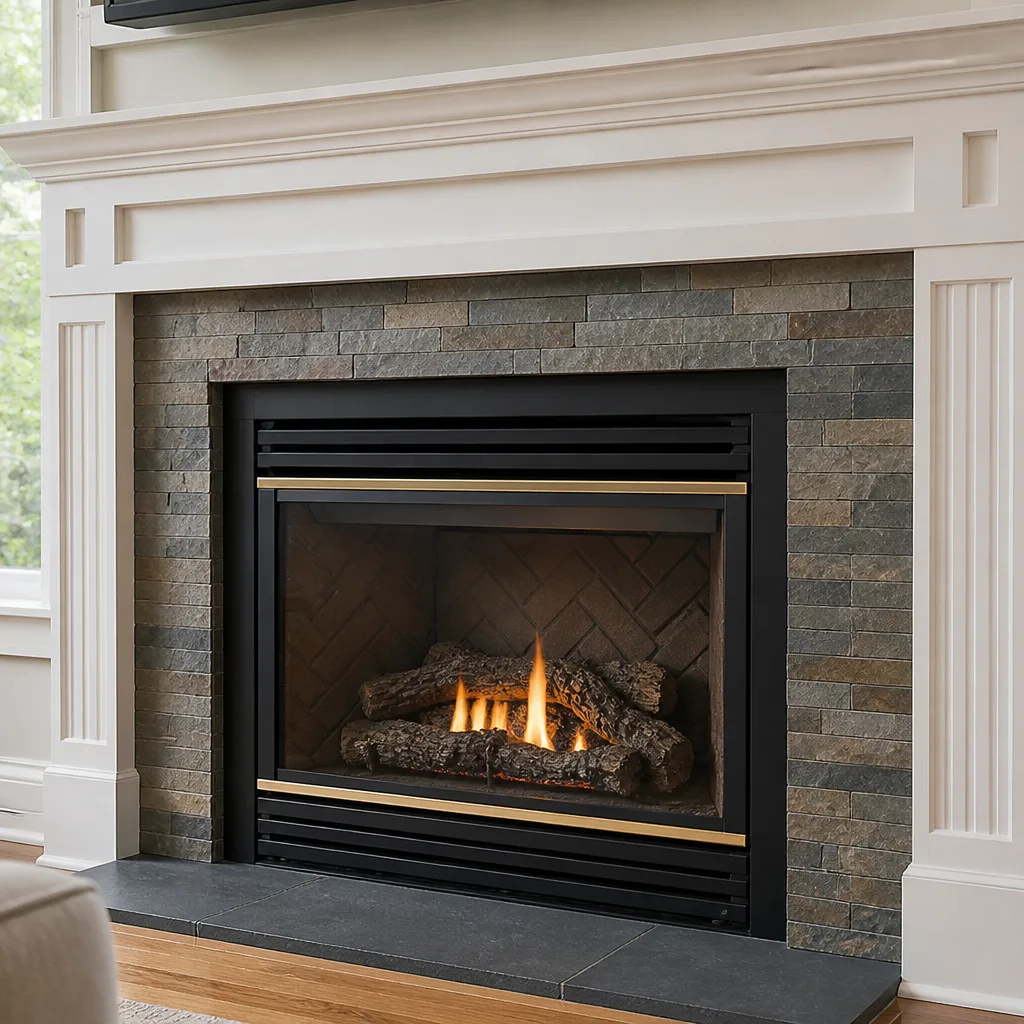 Gas fireplace service
Level 1 sweep and inspection to the NFPA 211 annual standard - flue, crown, cap, and flashing checked and photographed
Chimney sweep logs do not sweep chimneys. They loosen some creosote - which then falls where a brush and vacuum still have to collect it.
Chimney Cleaning Permits, Codes & Inspections in Boise City, ID: What You Need to Know
Here’s the part most homeowners get backwards: the cleaning itself is the easy half. Sweeping a flue in Boise City rarely involves a permit, a plan review or a single inspection signature. The moment a sweep finds a cracked tile or a gap in the liner, though, you’ve crossed from maintenance into repair work that the code treats very differently. That line between cleaning and repair is where liability lives. In this guide we’ll walk through what Boise City and Idaho codes actually require, when a Level 2 inspection gets triggered, what paperwork to demand from your sweep, and how to protect yourself before a contractor touches your chimney.
Quick Answer
Routine chimney cleaning in Boise City does not require a permit, because it’s maintenance, not construction. Structural repair, relining, and any work that alters the flue system do fall under permitted work governed by the Idaho Residential Code and NFPA 211, Boise City’s adopted mechanical and building codes. A Level 2 inspection is required after a chimney fire, a property sale, or a change in the appliance connected to the flue, and you should ask your sweep for written documentation of both the inspection and any repair before work begins.
Styles & brands we work with
- Sweep & inspection
- Caps & crowns
- Flue relining
- Masonry repair
- Gas fireplace service
Table of Contents
- The Permit Line: Cleaning vs. Repair
- How NFPA 211 and the Idaho Residential Code Fit Together
- Level 2 Inspections and Their Trigger Events
- The Documentation You Should Demand
- Liability When a Repair Skips the Permit
- Boise City Climate and Its Effect on Your Chimney
- How to Vet a Chimney Contractor
- Common Mistakes to Avoid
The Permit Line: Cleaning vs. Repair
In Boise City, a permit is the boundary marker between maintenance and construction. Cleaning a chimney is maintenance. Rebuilding a crown, replacing flue tiles, or installing a new liner is construction, and construction that touches the chimney system generally requires a permit from the city’s building department.
Here’s how the two sides break down in practice:
- No permit typically required: sweeping and creosote removal, a Level 1 or Level 2 inspection, cap replacement, and minor maintenance like re-caulking flashing.
- Permit typically required: liner replacement, flue tile repair, crown reconstruction, firebox rebuilding, and any masonry work that changes the structure of the chimney.
- Permit status depends on scope: hearth extension changes, damper replacement, and appliance swaps. Ask the building department before you assume.
We’ve seen the confusion play out the same way in Boise City neighborhoods like the North End, the Bench and the Depot Bench area, where older homes often have the original clay tile liners still in place. A sweep finds a crack, tells the homeowner it’s a small fix, and no permit is pulled. That crack was a structural defect in a flue, and what looked like maintenance was actually construction work. The homeowner usually doesn’t learn the difference until a sale, an insurance claim, or a second opinion years later.
The practical rule: if a contractor is removing and replacing a component of the flue, ask whether a permit is required before the work starts. If they brush off the question, treat that as a signal about how they handle everything else. You can read more about what our own Boise City service covers and where we draw that line on each visit.
How NFPA 211 and the Idaho Residential Code Fit Together
Chimney work in Boise City answers to two layers of rules simultaneously, and understanding how they stack keeps you from being told the wrong thing.
NFPA 211 is the Standard for Chimneys, Fireplaces, Vents, and Solid Fuel-Burning Appliances. It is the national technical standard that describes how a chimney should be constructed, inspected, maintained and repaired. It is not a law on its own. It becomes enforceable when a jurisdiction adopts it or references it in its own code.
Boise City adopts the Idaho Residential Code and the Idaho Mechanical Code, and both of those reference NFPA 211 for chimney systems. That means the standard becomes local law in Boise City in practical terms: an inspector reviewing permitted chimney work will apply the clearances, the liner requirements and the inspection levels set out in NFPA 211.
What that looks like for you:
- The standard sets the technical bar. Clearance to combustibles, the integrity of the flue liner, the requirement for a properly sized flue for the appliance, all come from NFPA 211.
- The residential code makes it enforceable. Boise City’s adoption of the state codes ties those requirements to the permitting and inspection process.
- The building department interprets it locally. When scope is unclear, a call to the city’s building department gives you the answer that applies to your address.
We mention this because homeowners in Boise City sometimes hear conflicting statements: one contractor says repair requires a permit, another says it’s not needed. The honest answer is that NFPA 211’s clearances and liner requirements apply whether or not a permit is pulled, but the paperwork that proves the work was done to that standard comes through the permitting process. Skipping it doesn’t make the requirement go away; it just removes your documentation.
Level 2 Inspections and Their Trigger Events
NFPA 211 defines three inspection levels, and the middle one matters most for homeowners in Boise City. A Level 2 inspection is a more thorough look that includes all accessible portions of the flue, including areas a routine walkthrough won’t reach. It is required after specific events, not on every visit.
The trigger events are well established:
- A property sale. Most lenders and buyers expect a chimney inspection as part of a home purchase, and a Level 2 is the appropriate level for that transaction.
- A chimney fire. Any chimney fire, even one that burned itself out before anyone arrived, can damage the liner in ways a cleaning won’t reveal.
- A change of appliance. Installing a new wood stove, converting to a gas fireplace insert, or changing from oil to gas on a furnace flue counts.
- A change in fuel type. Moving from wood to gas, or wood to pellets, changes the liner requirements.
- An earthquake or major event. NFPA 211 calls for a Level 2 after an event likely to have caused damage.
In our experience, the sale trigger is where Boise City homeowners get caught out. A house goes onto the market, the buyer’s inspector finds a chimney issue, and the seller is surprised because “we had it cleaned every year.” Cleaning and inspection are different services. A Level 1 inspection is a visual check during a sweep, and it’s useful, but it does not produce the documentation a real estate transaction or a post-fire insurance claim needs.
If you’re buying a home in Boise City and the seller says the chimney was recently cleaned, ask for a Level 2 inspection report, not a cleaning receipt. If they don’t have one, we can perform the inspection and give you a report that stands up to lender review. Our chimney sweep service includes an inspection as part of every visit, and we can upgrade to a Level 2 when the situation calls for it.
The Documentation You Should Demand
Paperwork is how a chimney repair stays defensible years after the fact. A crew can do excellent work and if nobody wrote it down, you have no evidence to give an insurer, a buyer, or an inspector. Here’s what a proper record looks like in Boise City.
A cleaning and inspection record should include:
- The date of service and the level of inspection performed
- The appliance type and fuel (wood, gas, oil) connected to the flue
- The condition of the flue liner, the firebox, the damper, the crown and the flashing
- Any defects observed, described specifically (not “minor wear”)
- Any recommendations, with a clear distinction between “should address now” and “monitor at next visit”
- The name of the technician and the company, signed
For permitted repair work, the record changes. You should receive:
- The permit number and the municipality that issued it, along with the inspection sign-off once work is complete.
- The brand and product specification of any liner installed. If a stainless flexible liner is used, you should have paperwork identifying it, and you should verify the brand is a professional-grade one, not an unbranded substitute.
- The method of attachment and the clearance verified at installation.
- The resurfacing product and application record, if a liner was restored rather than replaced.
This is where materials documentation and code compliance meet. We specify liner systems from Olympia Chimney and flexible liners from DuraFlex, and we use HeatShield resurfacing where the existing clay liner is sound enough to restore. Those brands come with product records, and the product records are what your insurer and your buyer’s inspector can actually verify. If you take one thing from this guide, take this: the paperwork is the repair. Without it, the repair is a verbal promise.
Liability When a Repair Skips the Permit
The unpermitted repair is a quiet problem, and it usually gets discovered at the worst possible moment: a fire claim, a sale, or a second opinion that finds the previous work doesn’t meet code.
Here’s how the liability shifts in Boise City and elsewhere in Idaho:
- The work is still construction. The absence of a permit doesn’t change what the repair was; it just means the city never inspected it. If the repair was inadequate and the chimney later causes a fire, “no permit was needed” is not a defense.
- The insurer sees unpermitted work as a possible exclusion. Many policies include exclusions for work done without required permits, and even where the exclusion doesn’t apply, an adjuster will look closely at how the repair was done.
- The seller carries the disclosure burden. Idaho’s real estate disclosure rules ask sellers to identify known defects and material facts. An unpermitted repair is a fact.
- The buyer inherits the problem. If the sale closes without disclosure, the buyer ends up owning a chimney that isn’t what the paperwork says it is.
In our experience the strongest protection is simple. Before work begins, ask three questions in writing: Will this require a permit? Who is pulling it? When will I receive the inspection sign-off? If a contractor answers “we don’t need one” to all three on a repair, ask for the specific code basis. The chimney repair we perform is documented that way, and the conversation about permits happens before the work starts, not after.
Boise City Climate and Its Effect on Your Chimney
Boise City’s climate affects chimney wear in ways that other parts of the country don’t see. The winters are cold enough to justify a lot of wood burning, the summers dry, and the freeze-thaw cycle runs through the middle of the year. The combination puts a specific kind of stress on masonry.
What that means in practice:
- Freeze-thaw and crown cracking. Water gets into hairline cracks in the crown, freezes, and widens them, which is why crowns in Boise City often need attention earlier than the flue liner does.
- Wood-burning creosote. Cold winters mean long burning seasons and more creosote accumulation. The recommended annual cleaning is not a marketing line here; it’s maintenance.
- Summer dry spells and clay tile. The clay flue tiles in older Boise City homes can develop cracks from thermal cycling between a hot fire and a cold night.
- Furnace flue condensation. A high-efficiency gas furnace produces less heat up the flue, which means more condensation, which means a liner designed for oil or wood will fail faster. This is a common issue in Boise City homes that have been retrofitted with modern furnaces.
That last one is worth highlighting. If you’ve replaced an older furnace with a high-efficiency unit and kept the same flue, the flue may no longer be suitable. Ask about it during your next service. The Chimney Sweep Boise City team can assess the flue and tell you what’s actually needed.
How to Vet a Chimney Contractor
Most chimney problems in Boise City aren’t the original defect. They’re a low-quality repair, an unnecessary recommendation, or a scope that grew after the work began. A short, structured vetting process catches almost all of it.
- Ask for the inspection report before the estimate. A contractor who quotes a repair before a Level 2 inspection is guessing. A proper report identifies what’s wrong with photos or camera evidence.
- Ask which brands they specify. If the answer is “whatever’s available,” that’s information. Professional-grade liner and resurfacing systems are specific products with specific installation requirements. We specify Olympia Chimney and DuraFlex liners, HeatShield resurfacing, and Gelco and Famco components for caps and venting, all of which are industry standards for the trade.
- Ask whether a permit is needed and who pulls it. The answer should be specific to your scope, not a blanket “no.”
- Ask for the sign-off timeline in writing. For permitted work, you should know when the city inspection will happen and when you’ll receive the sign-off.
- Ask what can safely wait. A contractor with integrity will tell you which recommendations are urgent and which can be monitored. A crown that needs attention next year is different from a flue liner with a gap.
- Ask for written documentation of the sweep. Our service includes a camera inspection and a photo report so you can see what we saw, and our flat-price sweep is agreed before we arrive.
The one thing you should never be told is that you need thousands of dollars of liner work without evidence you can see. That’s a sales tactic, not an inspection. If a recommendation comes without camera photos or a written report, get a second opinion before you commit.
Common Mistakes to Avoid
- Treating a cleaning as an inspection. They’re different services with different documentation. If you’re buying or selling a home in Boise City, ask for the inspection level, not the cleaning receipt.
- Assuming repair doesn’t need a permit because cleaning doesn’t. Cleaning is maintenance. Liner replacement and masonry repair is construction. In Boise City, they’re separate categories under the code.
- Accepting an unpermitted repair from a sweep who says it doesn’t matter. The requirement doesn’t disappear; it just stops being documented. Your insurance claim on the back end will notice.
- Skipping the Level 2 after a chimney fire. Even a small fire can crack tiles in ways a routine cleaning won’t reveal, and the insurance claim will expect a Level 2 report.
- Retrofitting a high-efficiency furnace without checking the flue. A flue designed for wood or oil may not be appropriate for a modern gas appliance, and the mismatch shows up as accelerated liner failure in Boise City homes.
- Using unbranded or bargain-bin liner materials. The paperwork matters as much as the liner, and unbranded products don’t come with the documentation that survives a home sale or an insurance review.
- Not keeping the service records. A folder with the last five years of sweep reports, permits and product documentation is the single best protection you can build as a homeowner.
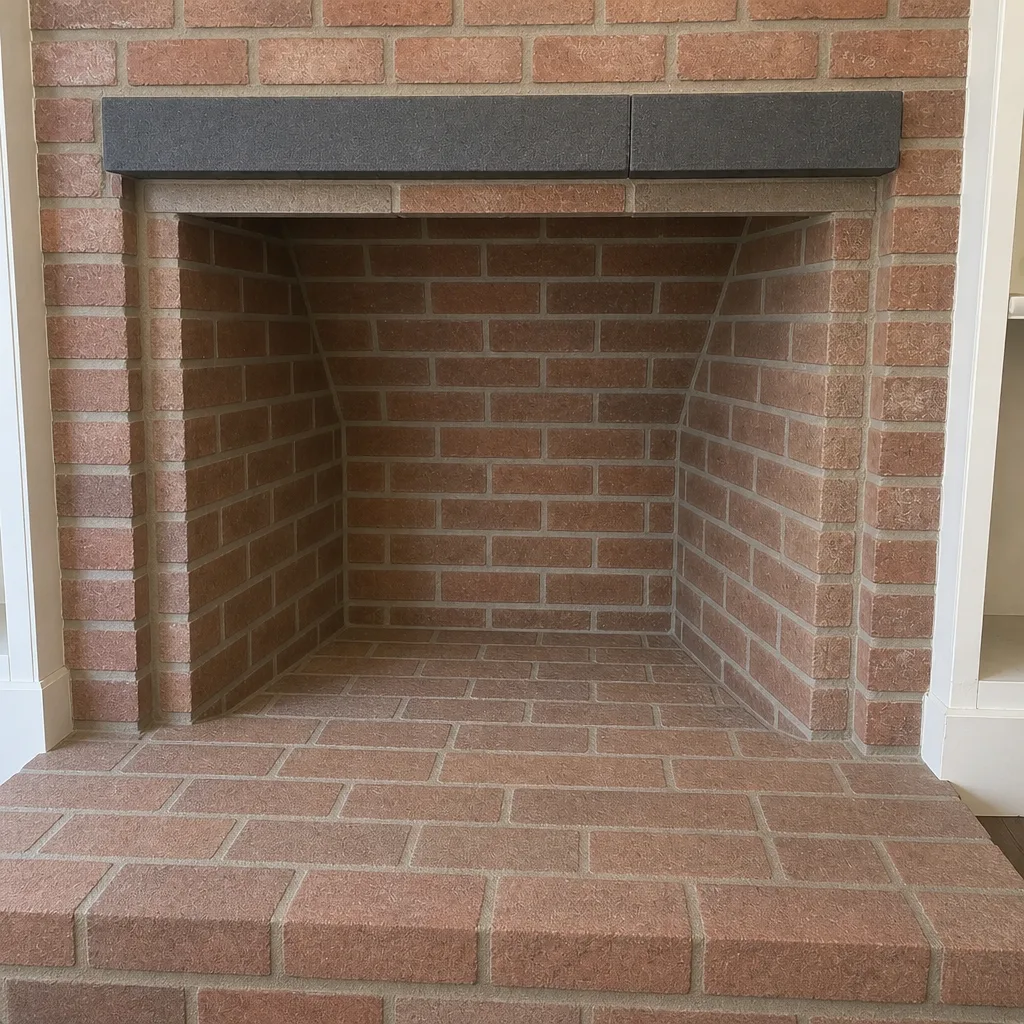
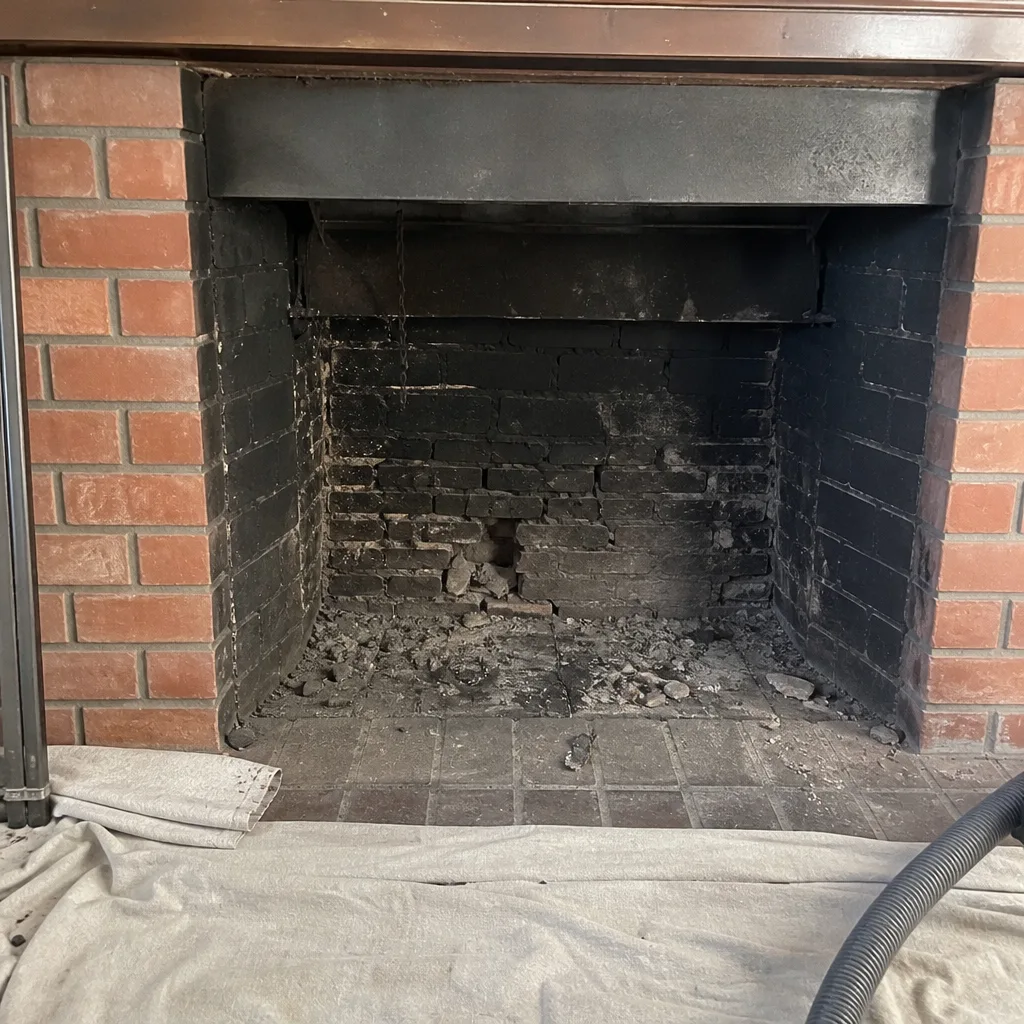
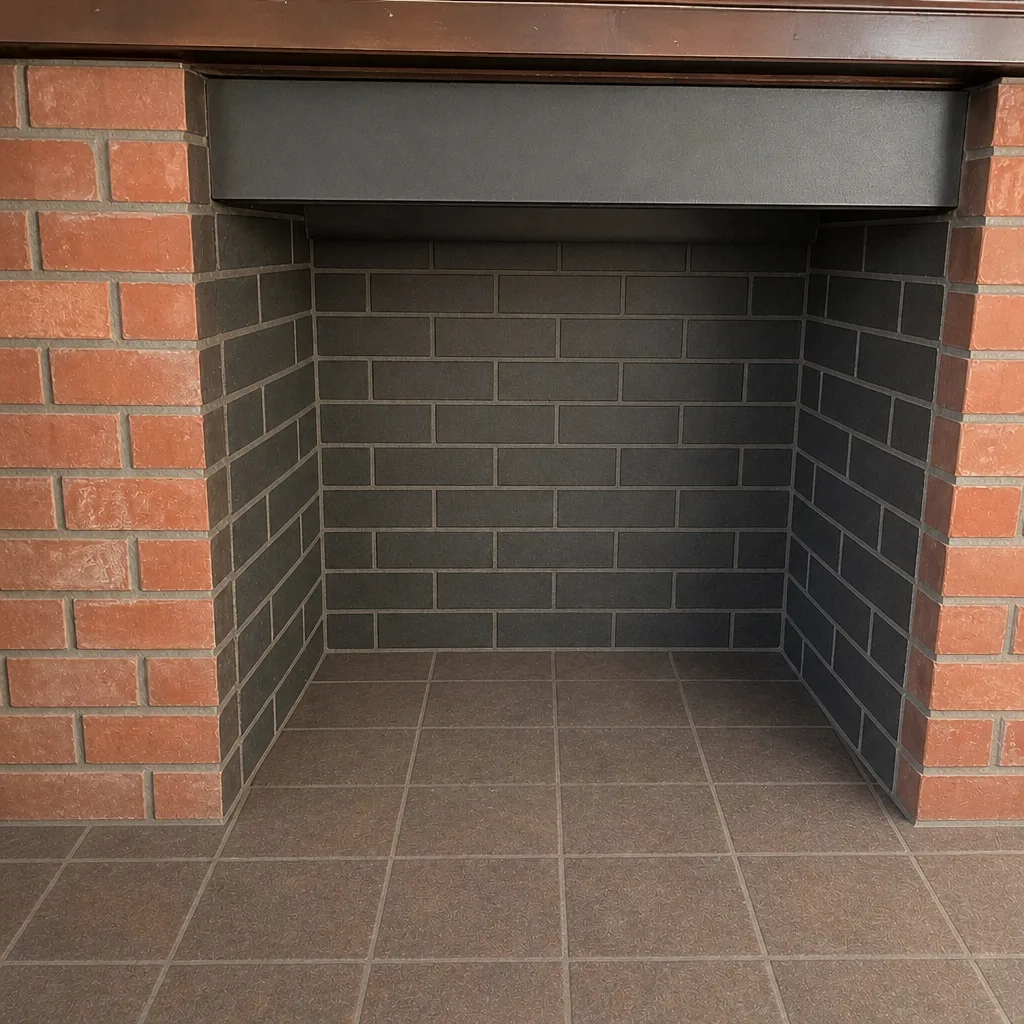
See the difference
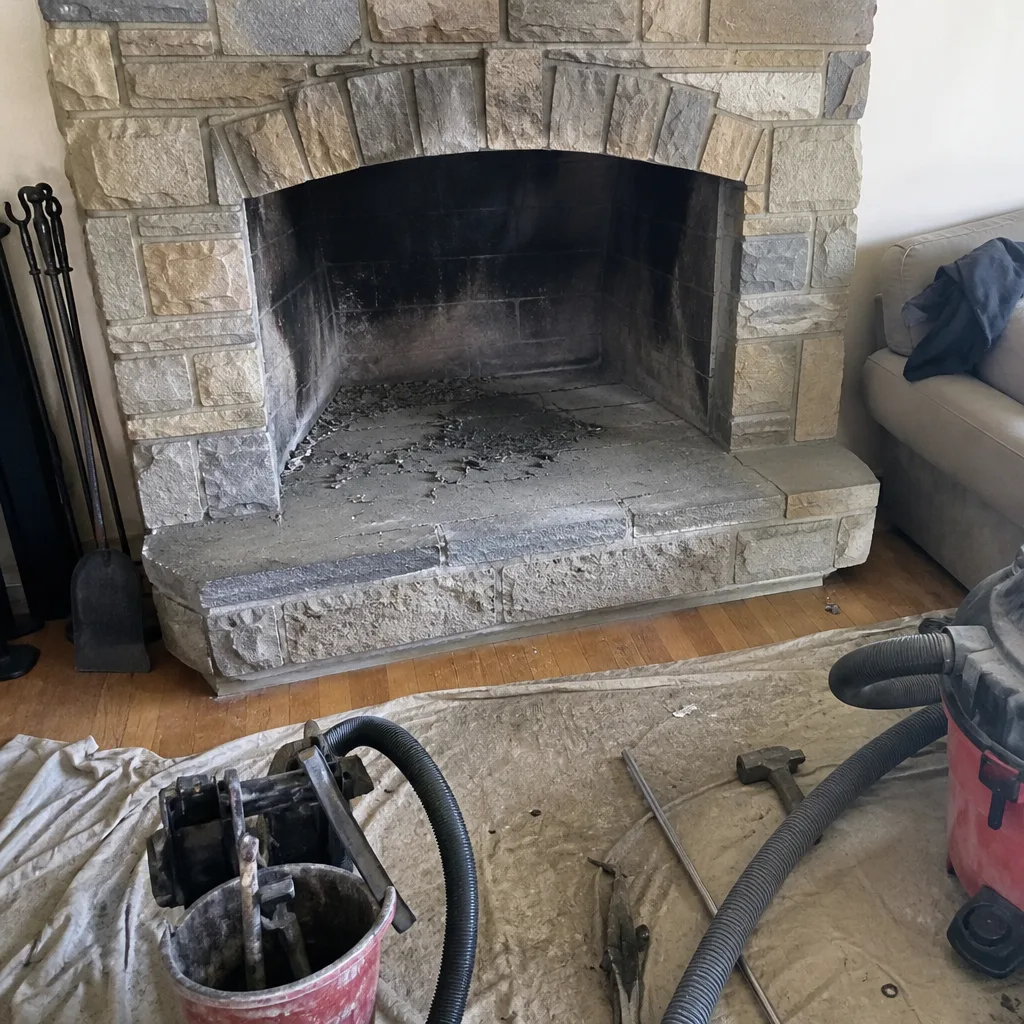 Before
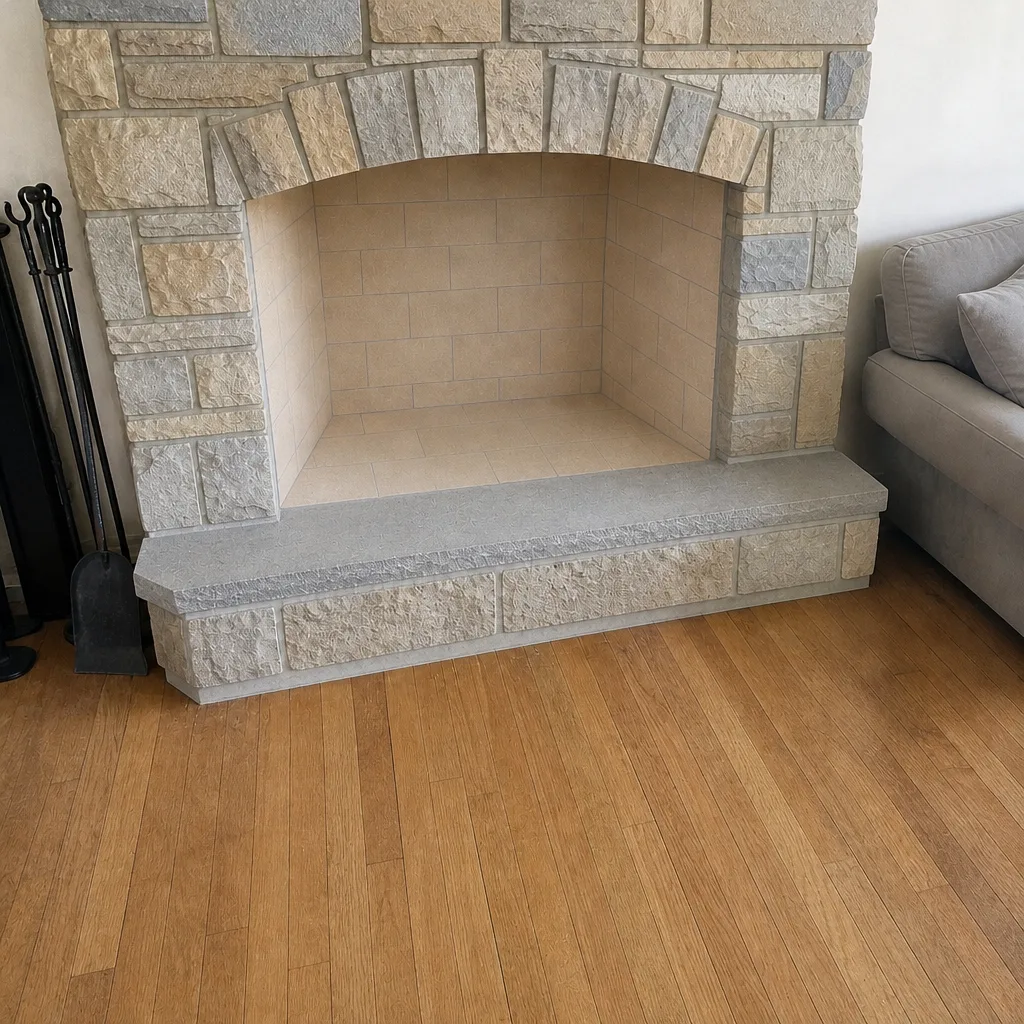 After
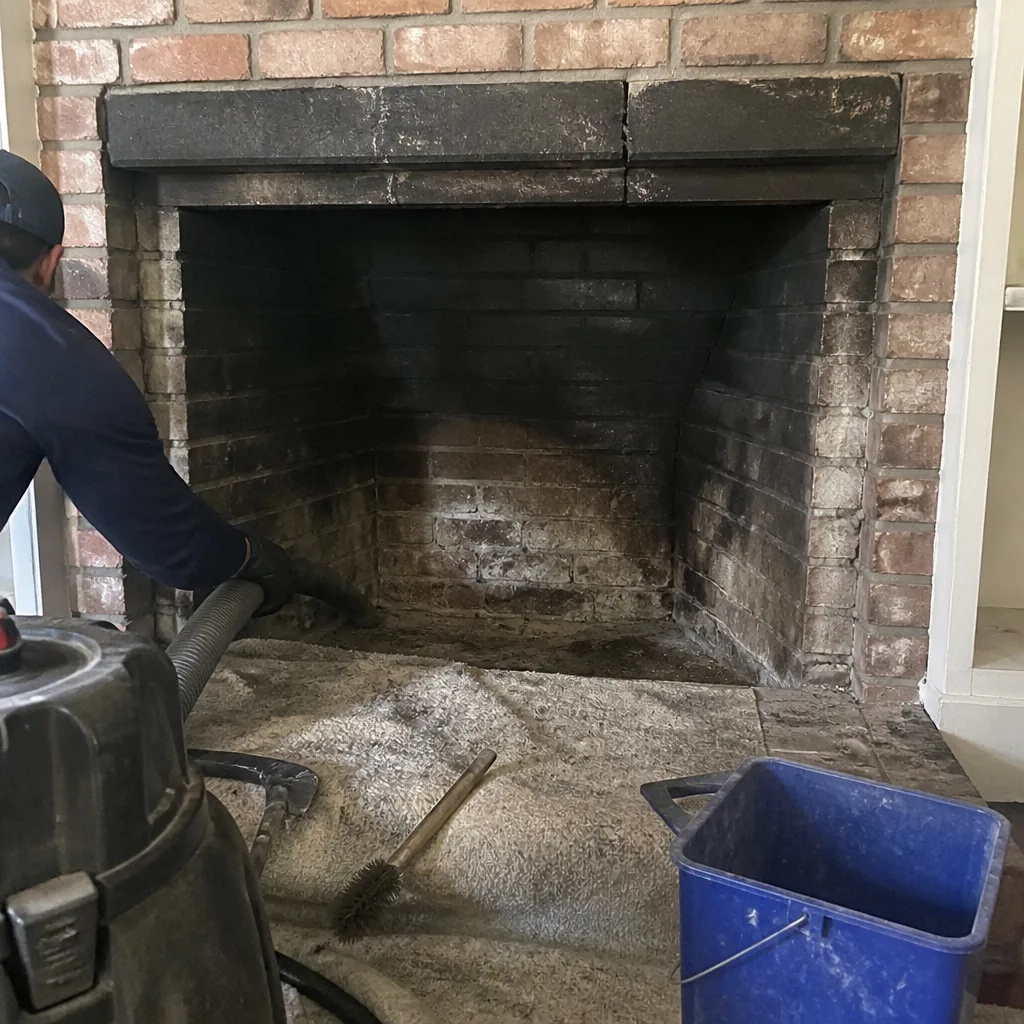 Before
 After
 Before
 After
When to Call a Professional
Call a professional chimney service in Boise City when you’re not sure what you’re looking at and the wrong call is expensive. Specific moments that warrant a call: a chimney fire, even a small one; a change in the appliance connected to the flue; a home purchase or sale; a visible crack in the firebox, crown or flue tile; creosote that’s built up enough to restrict the flue; a draft that has gotten worse; or a recommendation from another contractor that you can’t verify. In our experience, the most valuable calls are the ones made early, before a small defect becomes structural.
Chimney Sweep Boise City offers free estimates in Boise City. Call (833) 486-7115. We answer 24/7. Fast dispatch from 7am to 7pm, Sunday through Friday. Our technicians have up to 8 years of experience, and every visit includes a camera inspection and a photo report you can keep.
Frequently Asked Questions
No. Chimney cleaning is maintenance, not construction, so a permit is not required for the sweep itself in Boise City. The moment cleaning reveals a structural defect that requires repair, however, you’ve crossed into permitted work, and that distinction matters for your documentation, insurance and future sale.
Structural repair, liner replacement, firebox rebuilding and crown reconstruction generally require a permit from the Boise City building department under the adopted Idaho Residential Code, which references NFPA 211. Smaller scope work needs a specific answer, so call the building department before you assume. Call (833) 486-7115 for an exact quote on the work itself; estimates are free.
A Level 1 inspection is a visual check of accessible portions of the flue, performed during a routine cleaning. A Level 2 inspection is a more thorough look that includes accessible areas a routine visit doesn’t cover, and it’s required after a chimney fire, a property sale, or a change in appliance. If your situation includes any of those triggers, ask for a Level 2 specifically.
NFPA 211, referenced by the Idaho Residential Code that Boise City adopts, calls for a Level 2 inspection after a chimney fire, a home sale, a change in the appliance or fuel connected to the flue, and after an event likely to have caused damage. The requirement isn’t dependent on whether you’ve had a recent cleaning; it’s tied to the event.
Yes, and the trouble usually arrives later than the repair: a fire claim that raises questions, a sale where the buyer’s inspector finds non-compliant work, or a second opinion that reveals the previous repair didn’t meet code. The permit is the documentation that protects you, which is why we ask before work begins rather than after.
For a cleaning, you should receive a written report with the inspection level, appliance type, liner and firebox condition, and any defects. For a permitted repair, you should also receive the permit number, the inspection sign-off, and the brand and product specification for any liner or resurfacing system installed. Keep all of it; it’s the folder that protects you at sale.
The Bottom Line
The permit line in Boise City is the line between cleaning and construction, and understanding it is one of the most useful pieces of homeowner knowledge you can carry. Cleaning is maintenance; repair is construction; the documentation is what protects you. NFPA 211 sets the technical bar, the Idaho Residential Code gives it local force, and Boise City’s building department gives you the answer for your address. A Level 2 inspection belongs on your checklist after a fire, a sale or an appliance change. If a repair recommendation comes without camera evidence or a written report, get a second opinion before you commit. If you take only one action after reading this guide, request the inspection report, in writing, before any repair is quoted.
Call (833) 486-7115 for a free estimate on chimney sweep, inspection or repair in Boise City. All of our service includes a camera inspection and a photo report, and the estimate is free and per job. We answer 24/7. Fast dispatch from 7am to 7pm, Sunday through Friday. Professional-grade materials from DuraFlex, HeatShield, Olympia Chimney, Gelco and Famco; paperwork that stands up to an insurance file or a home sale.
Written by the team at Chimney Sweep Boise City.