
Last updated November 15, 2026
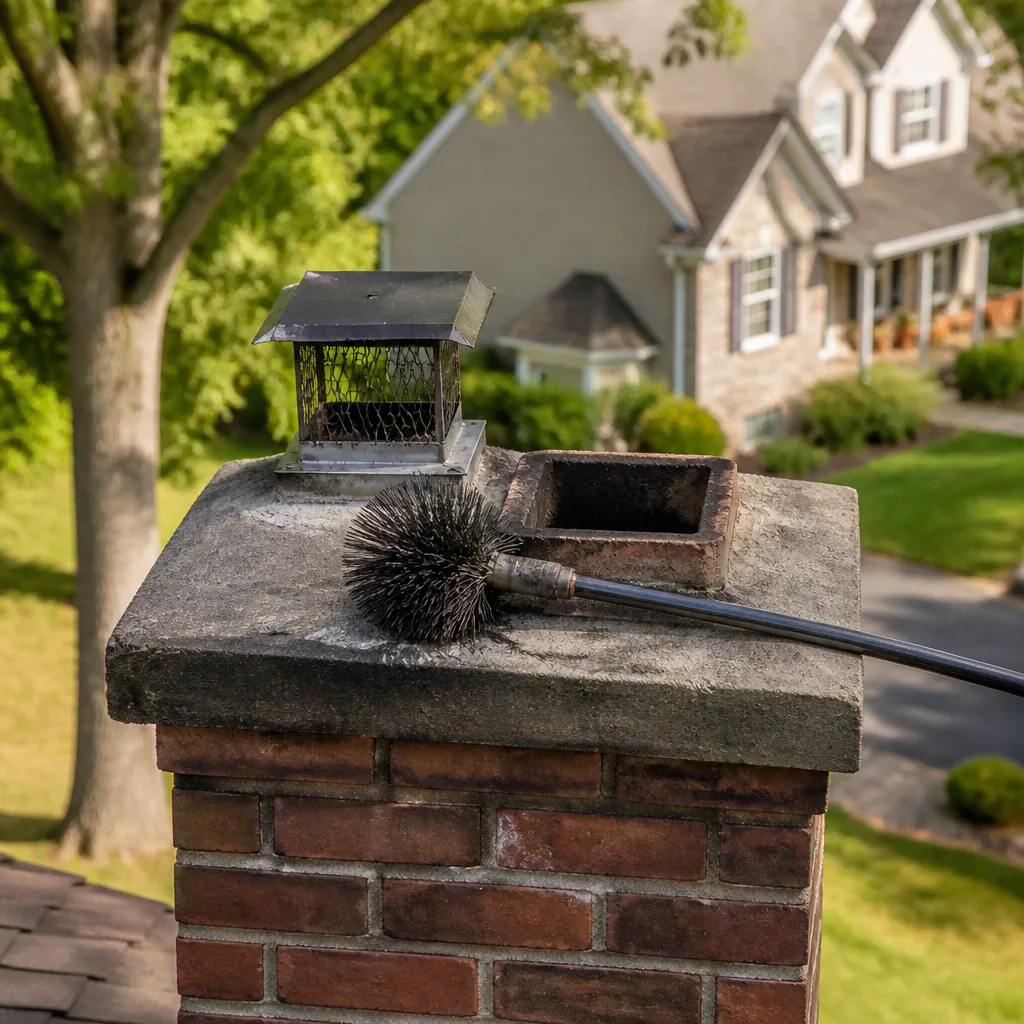 Sweep & inspection
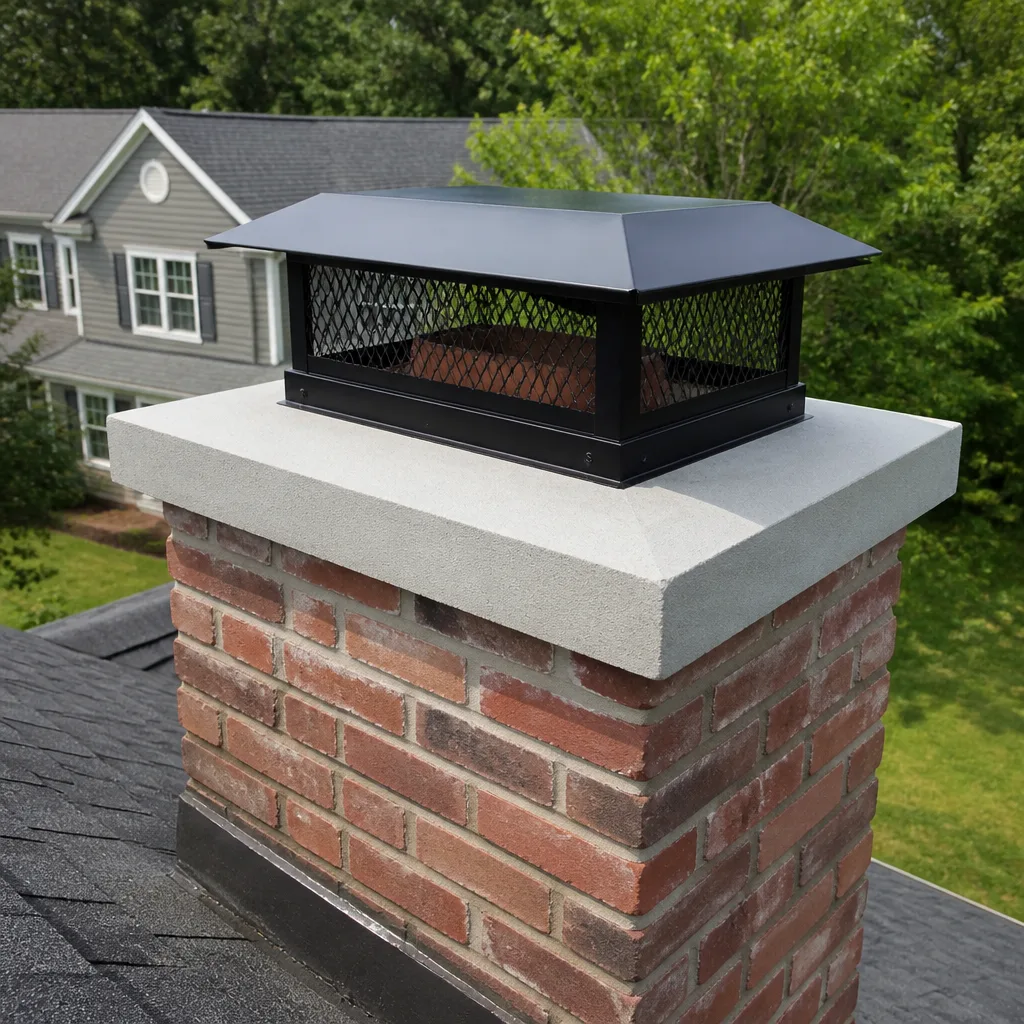 Caps & crowns
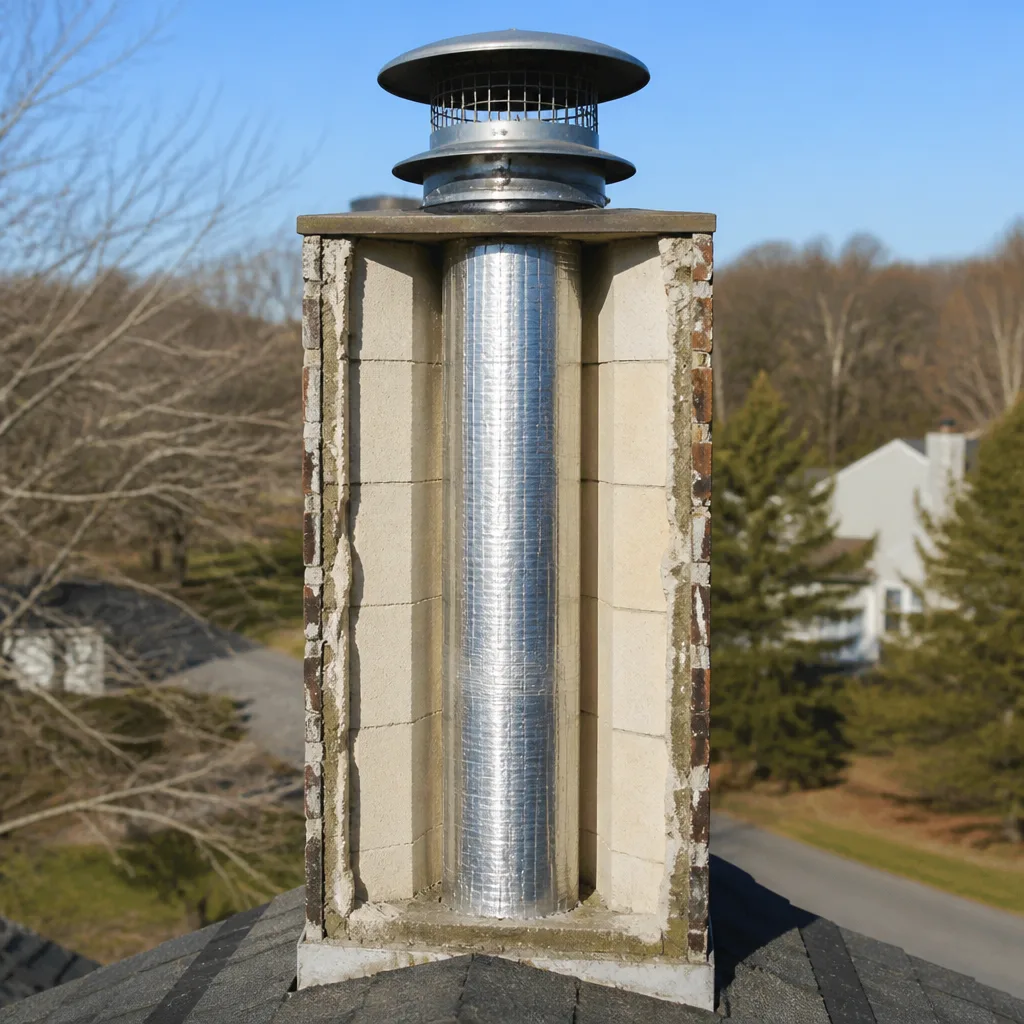 Flue relining
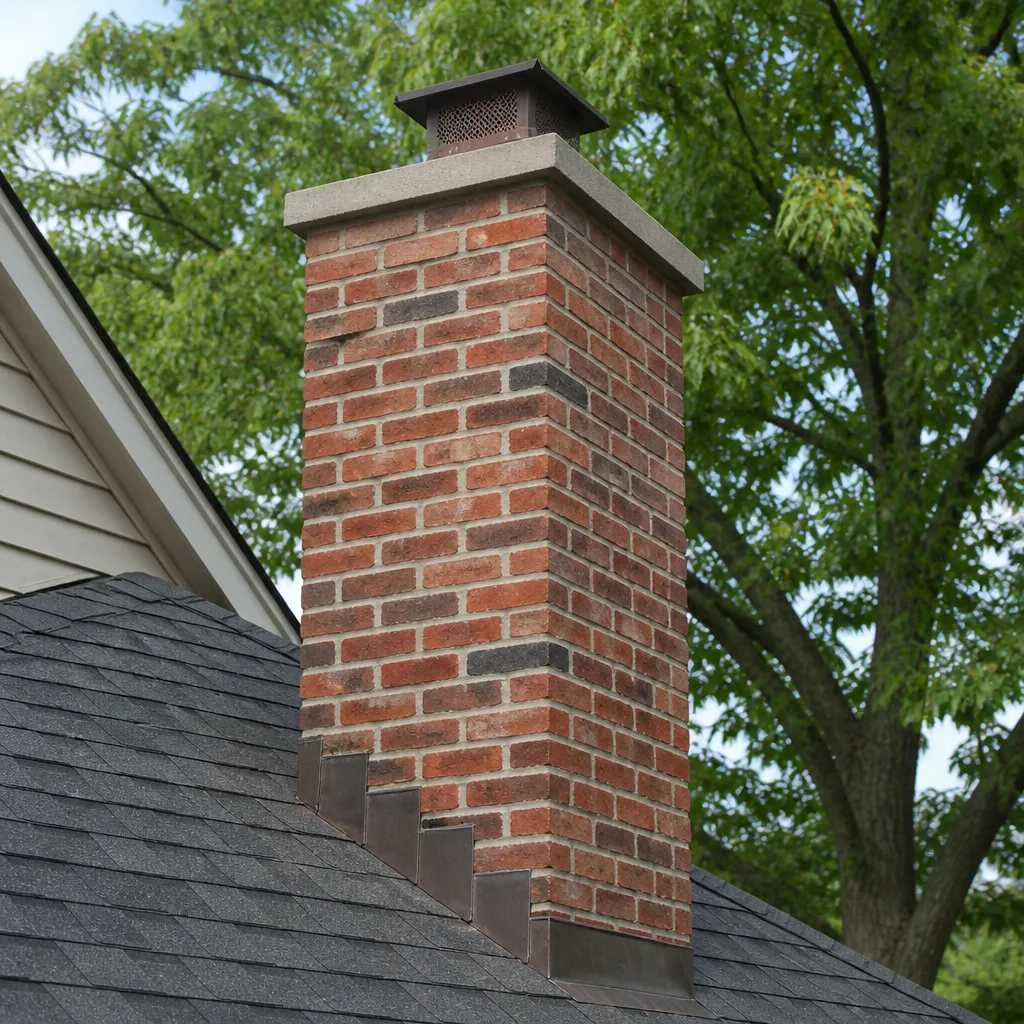 Masonry repair
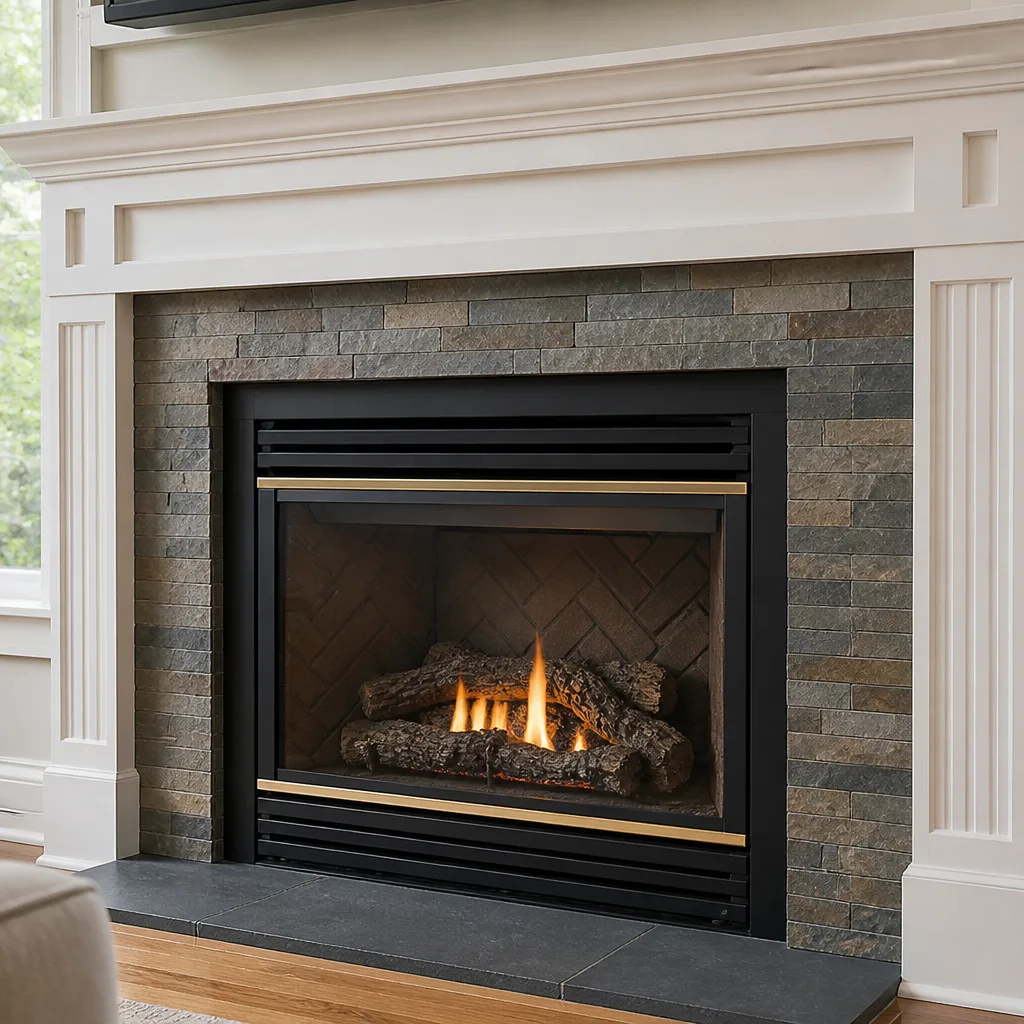 Gas fireplace service
Level 1 sweep and inspection to the NFPA 211 annual standard - flue, crown, cap, and flashing checked and photographed
Chimney sweep logs do not sweep chimneys. They loosen some creosote - which then falls where a brush and vacuum still have to collect it.
Chimney Sweep Maintenance Schedule: What to Do and When
Most chimney advice you’ll find online says the same thing: sweep once a year. That calendar was written for someone burning seasoned oak in a mild climate, and it falls apart the moment you move it to Idaho. Burn pine or juniper, which plenty of us do around Boise City, and creosote builds up to three times faster than it does on seasoned hardwood. Fire every night from October onward and a rigid “once a year” plan can leave you with a serious creosote problem by February. This guide replaces the generic calendar with a schedule built around the variables that actually matter: what you burn, how often you burn it, what your flue liner is made of, and how Boise City’s freeze-thaw cycle stresses masonry.
Quick Answer
Sweep a chimney once a year if you burn fewer than 30 fires a season, and every 50 to 70 fires if you burn more than that. Get a Level 1 inspection with every sweep, a Level 2 inspection after any chimney fire, liner change, or home purchase, and a post-winter exterior check every March in Boise City because the freeze-thaw cycle cracks mortar faster than most regions. Heavy users burning softwood need a mid-season cleaning, not just an annual one.
Styles & brands we work with
- Sweep & inspection
- Caps & crowns
- Flue relining
- Masonry repair
- Gas fireplace service
Table of Contents
- Usage Tiers: How Often You Actually Need a Sweep
- Cleaning vs. Inspection: Levels 1, 2, and 3 Explained
- Why Boise City Masonry Needs a March Inspection
- Liner Material Changes Your Schedule
- A Month-by-Month Calendar for Boise City’s Heating Season
- Creosote Stages and What They Mean for Timing
- Gas and Oil Flues Follow a Different Schedule
- Common Mistakes to Avoid
Usage Tiers: How Often You Actually Need a Sweep
The industry standard is a simple one: clean when creosote reaches 1/8 inch on the flue walls. The trouble is that homeowners have no easy way to measure that, so we translate it into usage tiers. Count the fires you actually light from October through March. That number, plus what you burn, tells you a lot more than a calendar does.
- Light use (under 30 fires a season): One sweep before the season starts, usually in late September or early October, and a visual check at the same visit. Clean-burning hardwood or compressed logs at this level rarely build dangerous deposits in a single season.
- Moderate use (30 to 70 fires a season): One pre-season sweep plus a mid-season look around January if you’re burning any softwood. This is the largest group of households we work with in Boise City, and it’s also the group most likely to be under-scheduled by a generic annual plan.
- Heavy use (70 or more fires a season): Two cleanings a season, one before October and one around the new year, then a check in March. Add firewood that isn’t fully seasoned and you’re in the highest-risk bracket regardless of how well you run the stove.
Wood choice matters as much as fire count. Softwoods common around Idaho, including pine and juniper, deposit creosote far faster than seasoned hardwood because of their resin content and moisture behavior. A household burning juniper every night can hit a Level 2 creosote buildup in a single season. The same fire count on dry, seasoned hardwood might end the winter at half that. Our technicians have up to 8 years of experience reading exactly this difference, and it’s the first thing we ask about before quoting a schedule. When it’s time for the actual cleaning, you can book a chimney sweep and we’ll tell you what we find.
Cleaning vs. Inspection: Levels 1, 2, and 3 Explained
A cleaning removes creosote. An inspection evaluates the condition of the whole system, and the two are not interchangeable. The inspection levels are standardized across the trade, and knowing which trigger requires which level keeps you from paying for more than you need, or less.
- Level 1 inspection: A visual check of all readily accessible portions of the chimney, firebox, and connector. This is what you want with every routine sweep and every annual visit. It catches most problems early and requires no special tools.
- Level 2 inspection: Everything in a Level 1 plus accessible areas of the attic, crawlspace, and chimney exterior, usually with a video camera run down the flue. Triggers include a chimney fire, a change of fuel type, a liner replacement, a home purchase, or any time a Level 1 turns up something that needs a closer look.
- Level 3 inspection: The most involved level, and it can require opening walls or removing parts of the chimney to inspect concealed areas. It’s reserved for confirmed hazards or suspected structural damage.
Here’s the practical translation for a Boise City homeowner: your schedule trigger determines your inspection level. A routine annual visit is a Level 1. A cold-season event, a real estate transaction, or a liner job is a Level 2. A Level 3 is a repair-scope decision, not a maintenance one. If you’ve been told you need a new liner, that recommendation should come with video evidence you can watch. We show the footage before we quote anything, and we say plainly when a repair can wait until next season.
Why Boise City Masonry Needs a March Inspection
A chimney’s interior takes the heat, but its exterior takes the weather, and Boise City’s freeze-thaw cycle is hard on masonry. Water works into hairline cracks in the brick or mortar, freezes overnight, expands, and widens the crack a little more each cycle. Do that for a whole winter and mortar joints that looked fine in October can be crumbling by March. This is why we recommend a post-winter exterior inspection every spring regardless of how many fires you burned.
The spring check looks at a few specific things:
- Mortar joints: Crumbling or receding mortar, especially near the crown and the top few courses where water sits longest.
- The crown: Cracks wider than a hairline let water straight into the flue structure. A crowned, sealed top is the single best defense against freeze-thaw damage.
- Flashing: The metal where the chimney meets the roof. Failed flashing shows up as staining on the ceiling below or a damp attic.
- The cap: A missing or damaged cap lets rain and animals straight into the flue. We fit Gelco and Famco caps and flashing components because they hold up to a real Idaho winter.
If the masonry itself has spalled or softened, our chimney repair team can resurface the flue with HeatShield, which rebuilds the interior surface and closes cracks without tearing the chimney apart. That’s an option a lot of generalist sweeps simply don’t offer. Doing the exterior check in March means any repair is finished well before the heating season starts in October. A spring inspection is the cheapest insurance a masonry chimney has.
Liner Material Changes Your Schedule
Not all flue liners wear the same way, and the material inside your chimney should shape how often you look at it. The two you’ll see most in Boise City are clay tile and stainless steel, and they fail in very different ways.
- Clay tile liners need more frequent visual checks. The tiles crack and spall under thermal cycling, and a cracked flue joint lets heat and combustion gases reach the surrounding masonry. Any sign of cracking in a clay tile liner means a closer look and often a repair before the next season starts.
- Stainless steel liners, like a DuraFlex flexible system, are far more tolerant of thermal cycling. They’re specified by chimney professionals for durability and code compliance, and they handle the heat-up and cool-down cycles of a working chimney far better than clay. They still need an annual inspection, but they’re less prone to the cracking that clay suffers.
Our rule of thumb: a clay tile flue deserves a visual check at every sweep plus a proper look at the joints after any winter where the chimney worked hard. A stainless liner, properly installed, mostly just needs the annual inspection and cleaning. If your liner is failing, we install DuraFlex and Olympia Chimney liner systems rather than bargain parts. There’s a real difference between a flexible liner rated for the job and a hardware-store approximation, and it shows up over years of use.
A Month-by-Month Calendar for Boise City’s Heating Season
Boise City’s wood-burning season runs roughly October through March, so the maintenance calendar wraps around that window. Here’s what to do, and when, across a typical year.
- Late September: Pre-season sweep and Level 1 inspection. Confirm the cap is on, the damper works, and the flue is clear before the first fire.
- October: First fires of the season. Burn dry wood, and pay attention to smoke: a smoking fireplace or stove is a sign your draft or flue needs attention.
- November: For any household burning softwood, this is when creosote starts building fast. Watch the fire behavior and don’t let a slow, smoldering fire run overnight on damp wood.
- January: Mid-season check for moderate and heavy users. If you’re in the 30-plus-fires bracket, this is your second cleaning slot. Come in Boise City and book it while the season is rolling, not after.
- March: Post-winter exterior inspection. This is the freeze-thaw check: mortar joints, crown, flashing, cap. Any repair gets scheduled before the spring rush.
- April through August: Repair season. Masonry work, liner replacement, and resurfacing can all happen now, well ahead of the next heating season. It’s also the calmest time to book.
- Every single fire: Burn dry wood, keep the fire hot and steady, and don’t let a smoldering fire run unchecked. Habit shapes buildup as much as the calendar does.
The calendar isn’t a rigid rule, but it gives you two anchor points: a pre-season check in September and a post-winter exterior check in March. Everything between them flexes with your fire count. That’s the whole point of a variable schedule.
Creosote Stages and What They Mean for Timing
Creosote is the reason chimneys burn. It builds up in three recognizable stages, and each stage changes what the sweep needs to do and how urgently.
- Stage 1 (soot and light flaky ash): The most common deposit, removed with a standard brush. If your flue only ever hits stage 1, a single annual sweep is usually enough, and the material is easy to clear.
- Stage 2 (hard, crusty, shiny): Deposits that have baked onto the flue wall. Stage 2, and a 1/8 inch thickness in particular, is the standard trigger for cleaning. This is where a softwood-burning household can end up by mid-winter even with a clean start in September.
- Stage 3 (glazed, hard, tar-like): The dangerous stage. Glazed creosote is tough to remove with a brush and means the fire risk is high. This calls for closer inspection and a proper plan before the chimney is used again.
You can’t reliably judge stage by looking up the flue with a flashlight. That’s why the schedule and the inspection go together. If a mid-season check turns up stage 2 or stage 3, the answer is to stop firing that chimney and deal with it. Our technicians assess the deposit and explain what it means in plain language, with no upselling of work the flue doesn’t need. If you’ve been told you need a new liner, ask to see the video evidence first. A real finding can be shown.
Gas and Oil Flues Follow a Different Schedule
Wood-burning fireplaces get most of the attention, but a fair number of Boise City homes run gas fireplaces or furnace flues, and those systems need their own schedule. Gas and oil appliances don’t deposit creosote the way wood does, so buildup is less of an issue. What they do need is an annual inspection for the things that quietly go wrong: a blocked flue, a failing vent connector, and above all carbon monoxide safety.
- Gas fireplaces: Annual inspection and a look at the vent system. A gas flue that isn’t venting properly can spill combustion gases into the room, and that’s a carbon monoxide hazard, not a cosmetic problem.
- Oil and gas furnace flues: Annual inspection of the connector and the flue, watching for corrosion, loose joints, and blockage. Vent connectors can fail silently, so this is a job for a trained eye.
- Any fuel type: A carbon monoxide alarm on every level of the home is the cheapest safety step there is. Schedule the inspection whether or not the alarm has ever gone off.
None of this is DIY territory. Vent connectors and combustion appliances can fail in ways you can’t see, and carbon monoxide is invisible. A trained professional should check the system every year, regardless of how nicely the fireplace fires. The schedule here is simpler than the wood-burning one: one solid annual inspection and a working CO alarm.
Common Mistakes to Avoid
- Treating “once a year” as a universal rule. A light user and a nightly softwood burner are not the same. If you burn pine or juniper every night, a single annual sweep can leave you with a Level 2 buildup by February.
- Skipping the spring exterior check. Boise City’s freeze-thaw cycle cracks mortar and spalls brick over a single winter, and interior cleaning won’t catch it. A March look at the crown, joints, and flashing is a separate maintenance task.
- Confusing a cleaning with an inspection. A sweep removes creosote; it doesn’t evaluate your liner, crown, or flashing. Insist on at least a Level 1 inspection with every cleaning.
- Burning wet or unseasoned wood. High moisture means more smoke and faster creosote. Dry wood is the difference between an easy sweep and a hard one, so season your wood a full year before burning it.
- Letting a smoldering fire run overnight. A long, slow, oxygen-starved burn is the fastest way to make glazed creosote. Keep the fire hot and steady and avoid banking damp wood.
- Taking “you need a new liner” at face value with no evidence. A liner recommendation should come with video of the flue. Ask to see it, and ask whether the work can wait a season.
- Waiting until the first cold snap to book. The pre-season window matters. A late-September sweep gets ahead of the October rush far better than a first-of-December call.
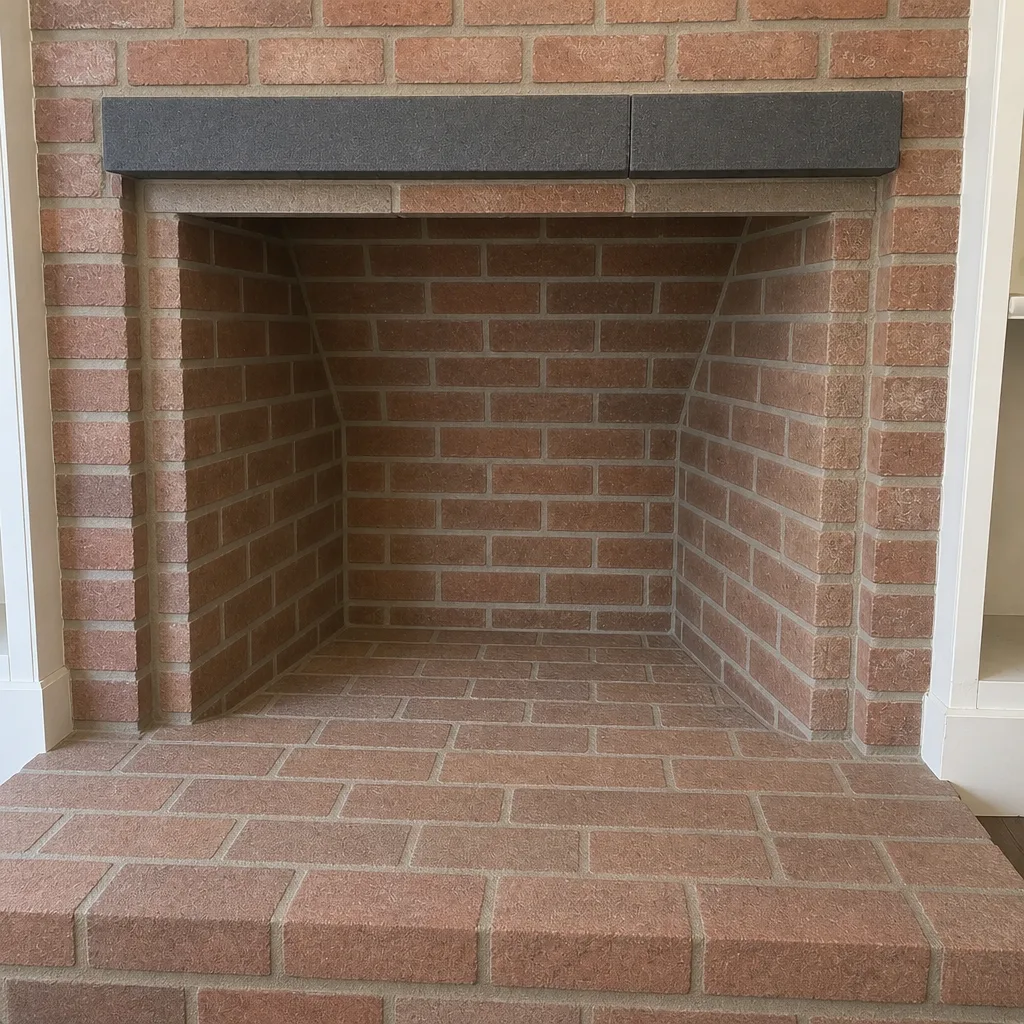
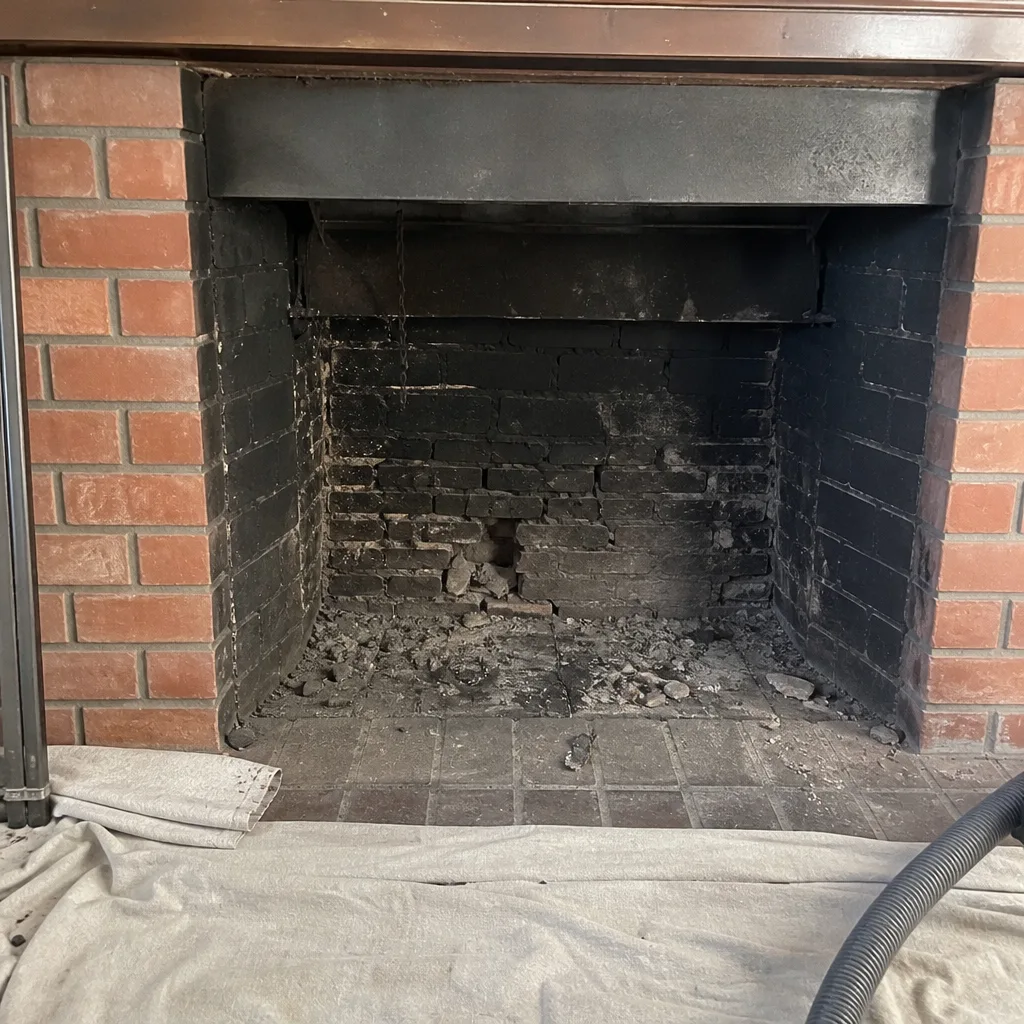
See the difference
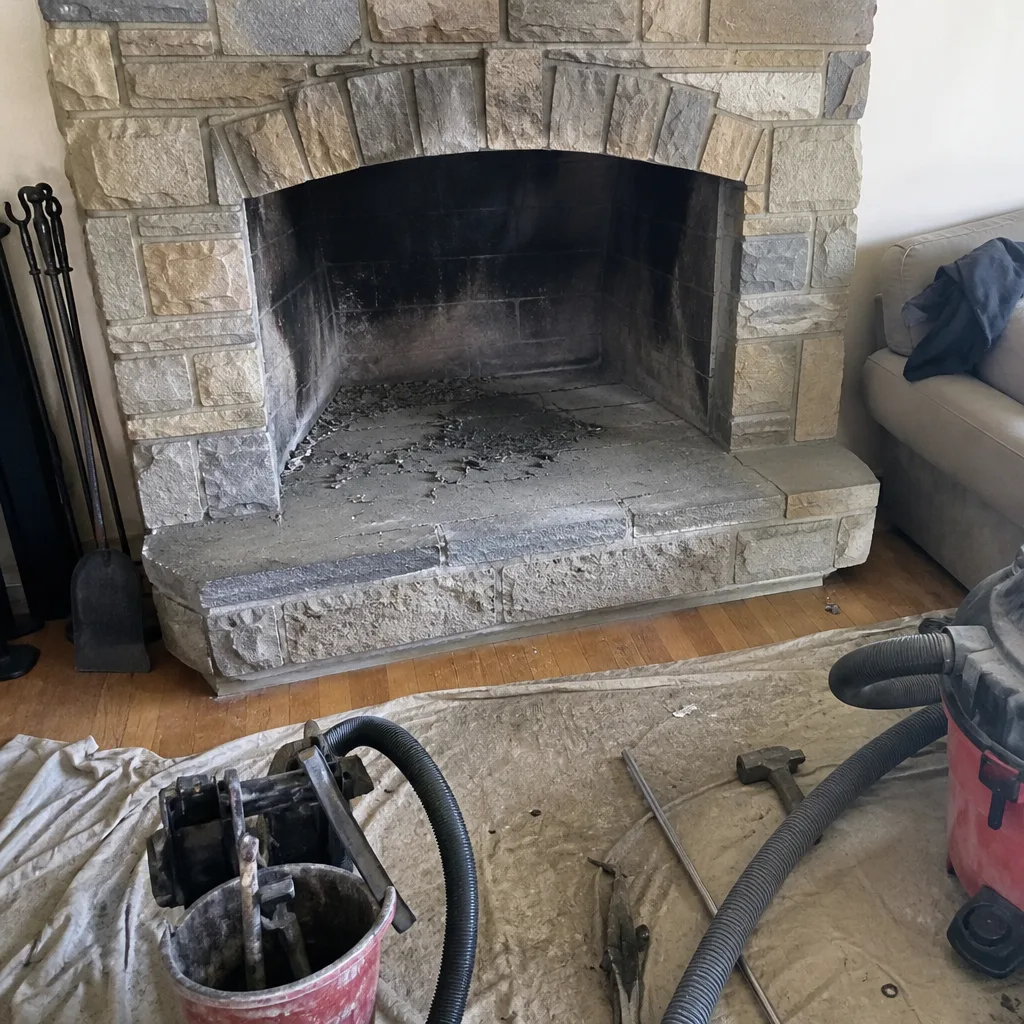 Before
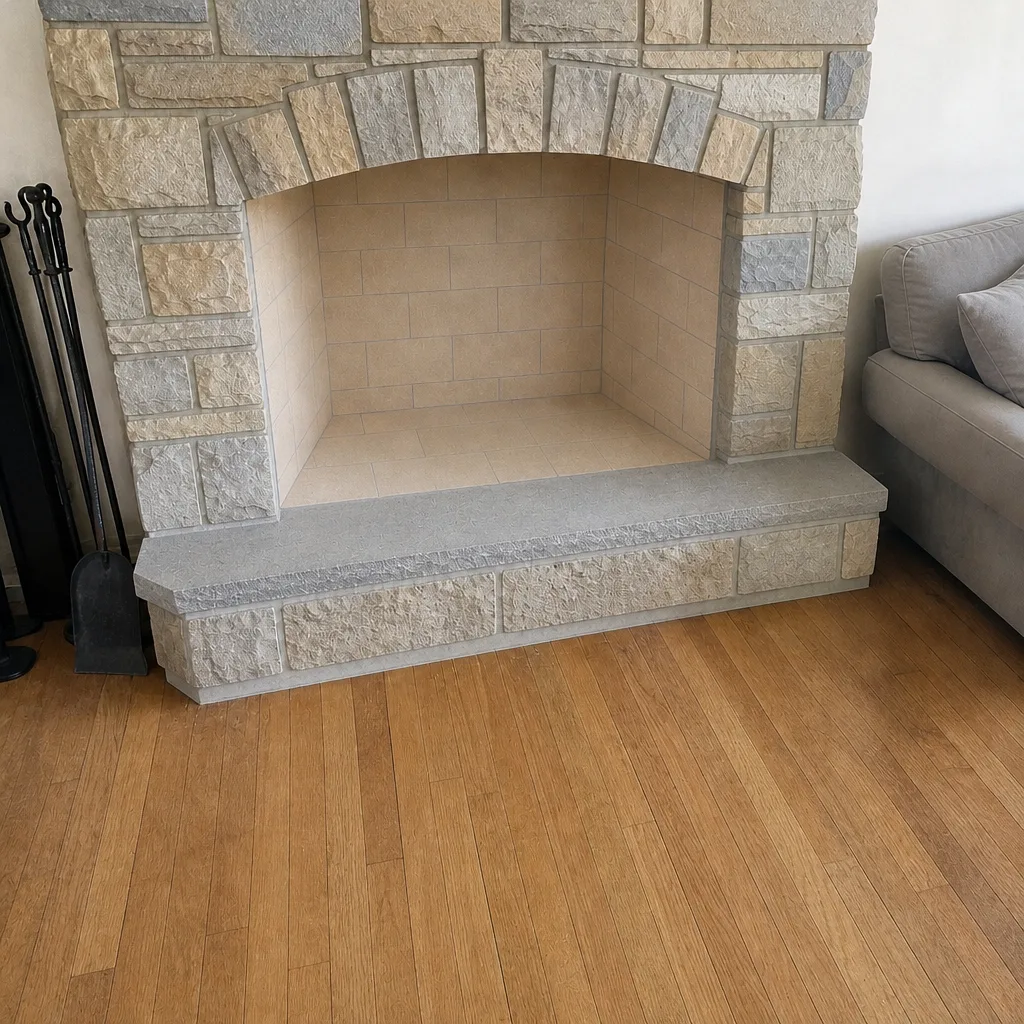 After
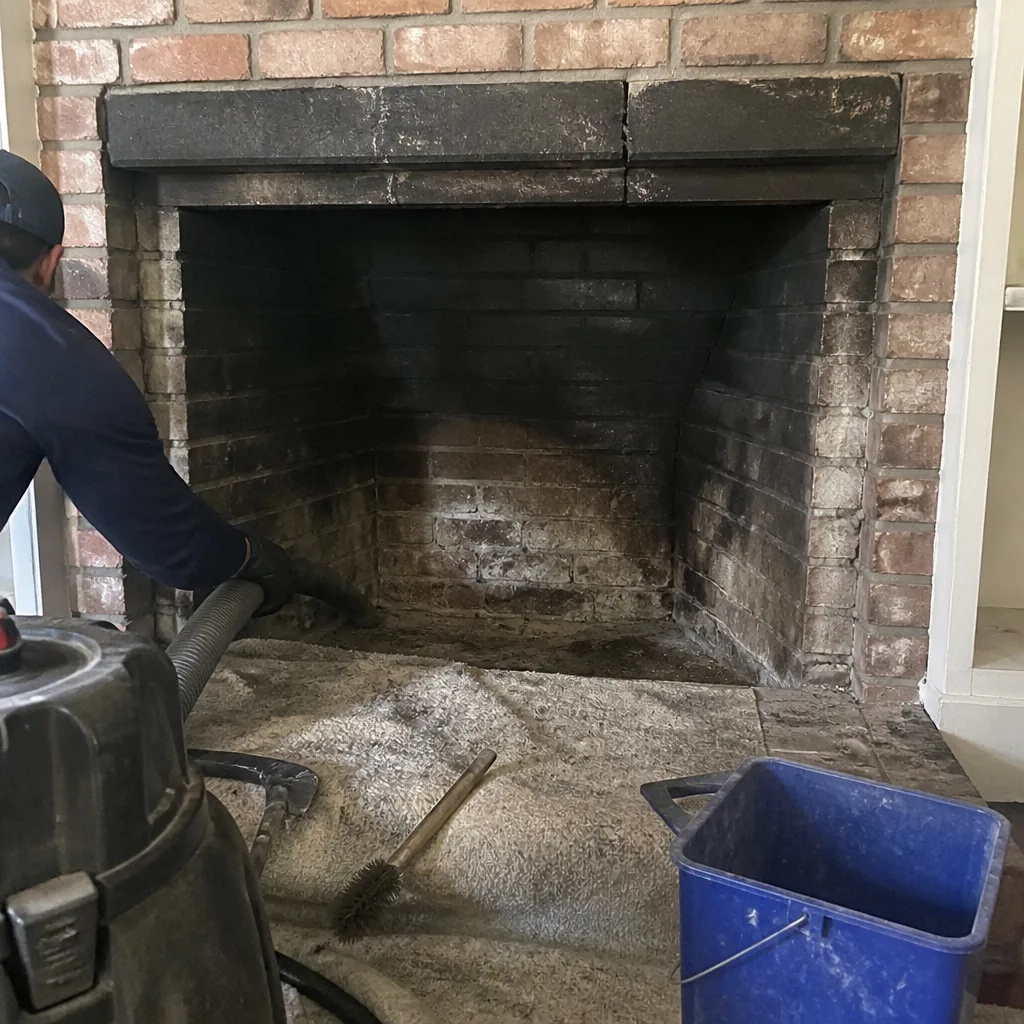 Before
 After
 Before
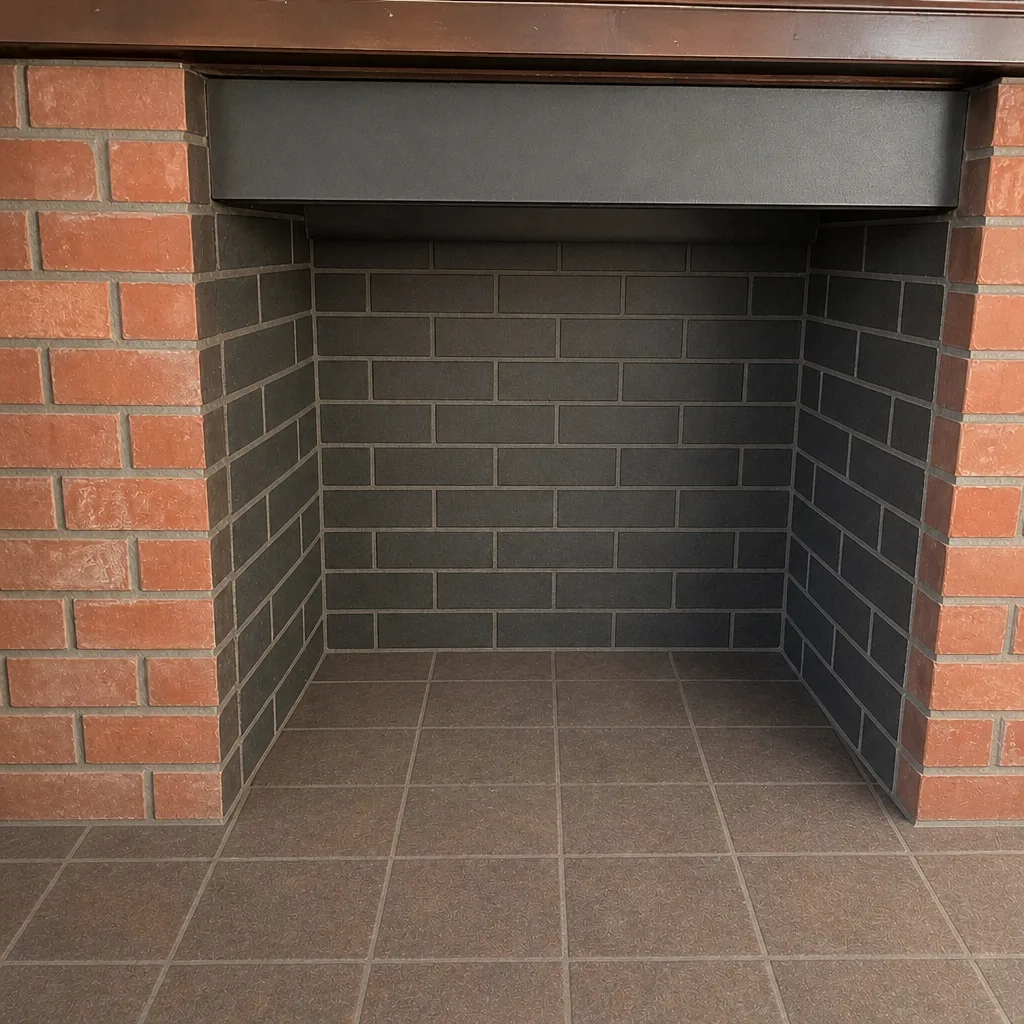 After
When to Call a Professional
Some of this you can track yourself: your fire count, your wood choice, the sound of a smoking stove. But several triggers mean picking up the phone rather than waiting for the annual visit. Call us if you’ve had a chimney fire, even a small one you put out yourself, because that’s an automatic Level 2 inspection. Call if you smell smoke in the room when the fire is going, if the fire struggles to draw, or if you see staining on the ceiling or a damp patch near the chimney. Call if you’ve recently bought a home, since a purchase is a Level 2 trigger. Call if your clay tile flue has visible cracks, if glaze has formed, or if a previous inspection flagged work that never got done. And call if you’re a heavy seasonal user who’s burned all winter on a schedule that never had a mid-season check. Chimney Sweep Boise City offers free estimates in Boise City, and we’ll always tell you when work can safely wait. Call (833) 486-7115.
Frequently Asked Questions
Once a year for most households, or every 50 to 70 fires, whichever comes first, and twice a season if you burn softwood such as pine or juniper frequently or run more than 70 fires a year. The usual trigger is creosote reaching 1/8 inch, which a sweep measures. Call (833) 486-7115 for a free estimate on a sweep.
You only need a new liner if the liner has a confirmed defect, such as cracking, spalling, or a failed flue joint. A proper recommendation comes with video evidence you can watch, so ask to see the footage before you agree to anything. We show the inspection video first and say plainly whether the repair can wait a season. Call (833) 486-7115 for a free estimate.
Creosote keeps building on the flue walls, and once it reaches the glazed stage the fire risk rises sharply. A chimney fire is the real danger, and carbon monoxide from a blocked flue is the other. A sweep catches both early. Call (833) 486-7115 to book a sweep and inspection before the season gets away from you.
Because the freeze-thaw cycle works on the exterior all winter. Water gets into hairline cracks, freezes, and widens them, so mortar and the crown can fail without any interior sign. A March exterior inspection catches that before the next heating season. Call (833) 486-7115 for a free estimate on the spring check.
The price depends on the flue, the deposit, and whether an inspection turns up repair work, so the written estimate sets the final figure. The estimate itself is free. Call (833) 486-7115 for an exact quote.
Yes, and it changes a lot. Softwoods common in Idaho deposit creosote up to three times faster than seasoned hardwood, so a household burning them nightly should plan a mid-season cleaning, not just the annual sweep. Call (833) 486-7115 and we’ll help you set a schedule around what you actually burn.
The Bottom Line
A safe chimney needs a schedule built around how you actually burn, not a generic annual calendar. Count your fires, note your wood, know your liner material, and anchor the year with a pre-season sweep in late September and a post-winter exterior check in March, because Boise City’s freeze-thaw cycle is as hard on masonry as the fire is on the flue. Get a Level 1 inspection with every sweep and a Level 2 after any chimney fire or home purchase. One call covers your sweep, inspection, and any repair, start to finish. We specify DuraFlex, HeatShield, and Olympia Chimney because that’s what the job actually demands.
If your schedule is due, or you’re not sure where it stands, call Chimney Sweep Boise City at (833) 486-7115 for a free estimate. We answer 24/7. Fast dispatch from 7am to 7pm, Sunday through Friday.
Written by the team at Chimney Sweep Boise City.