
Last updated November 15, 2026
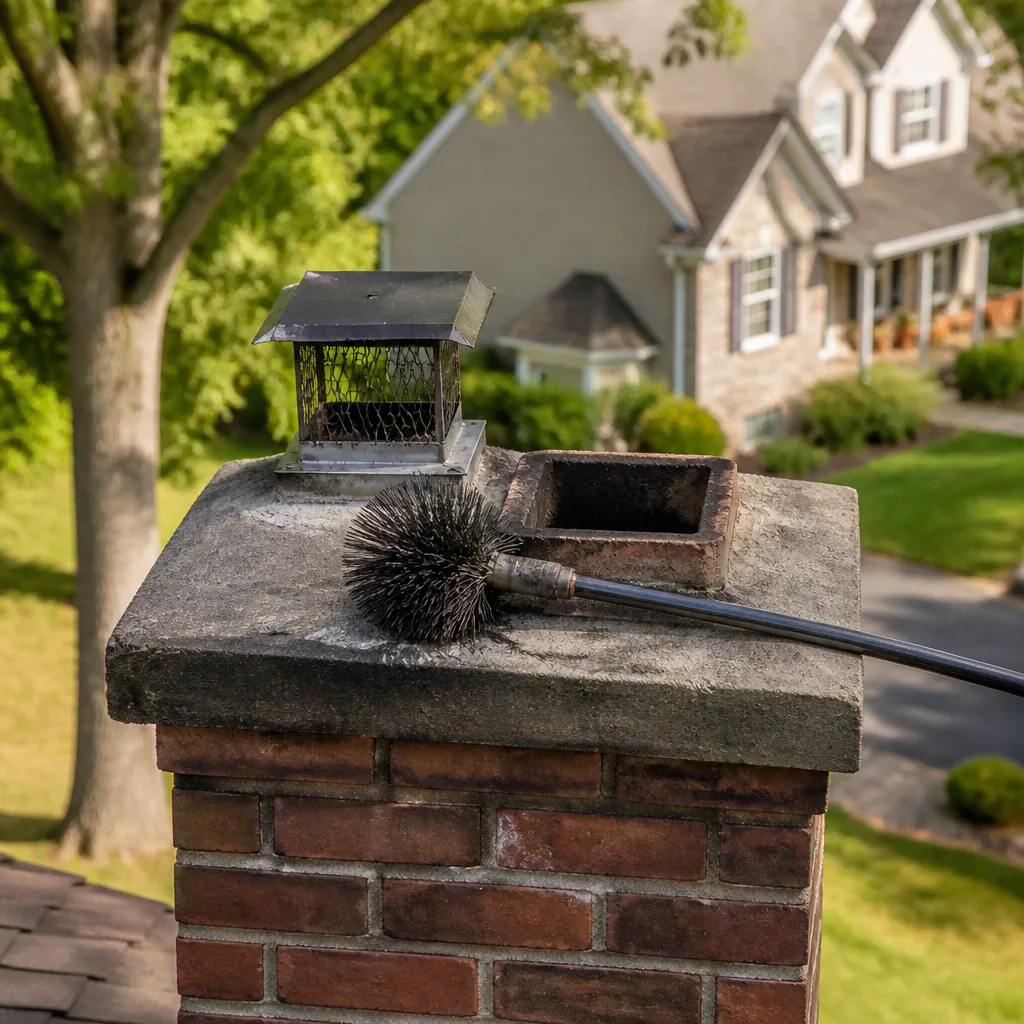 Sweep & inspection
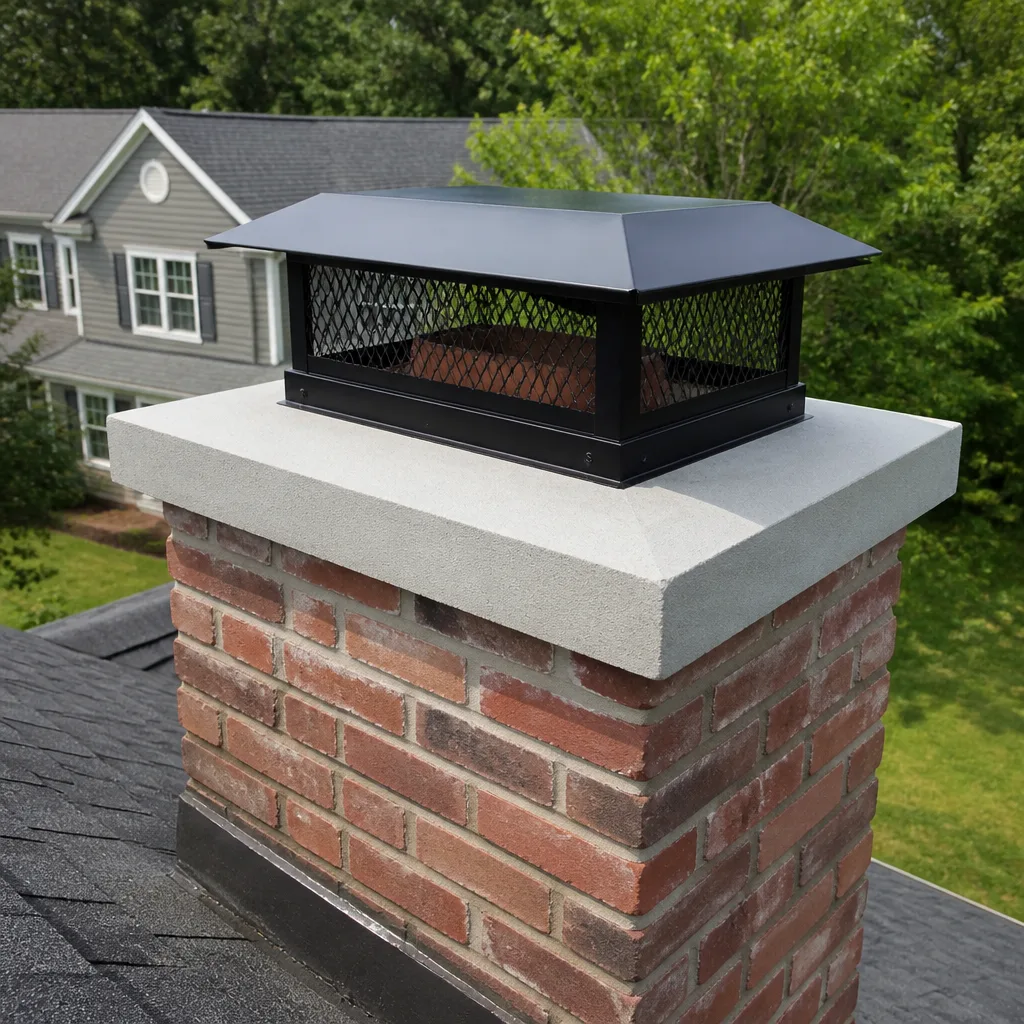 Caps & crowns
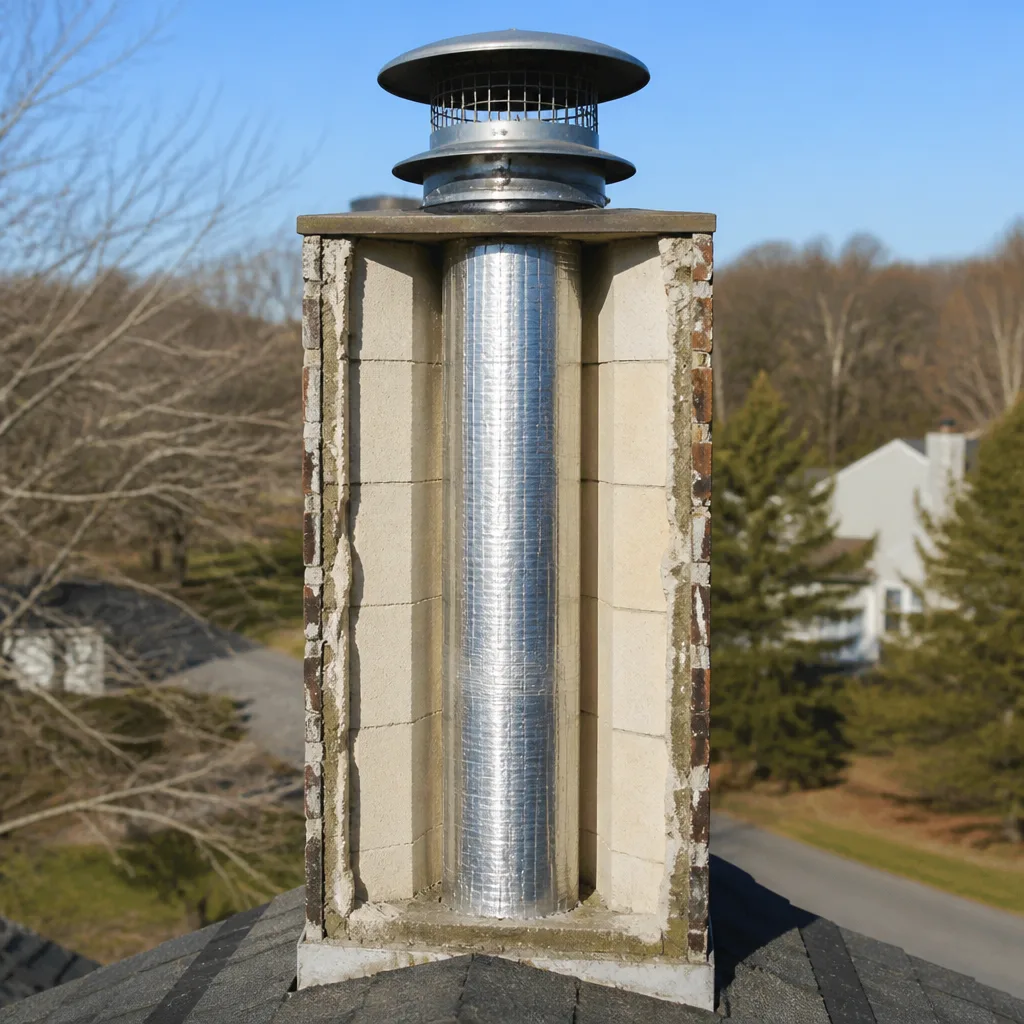 Flue relining
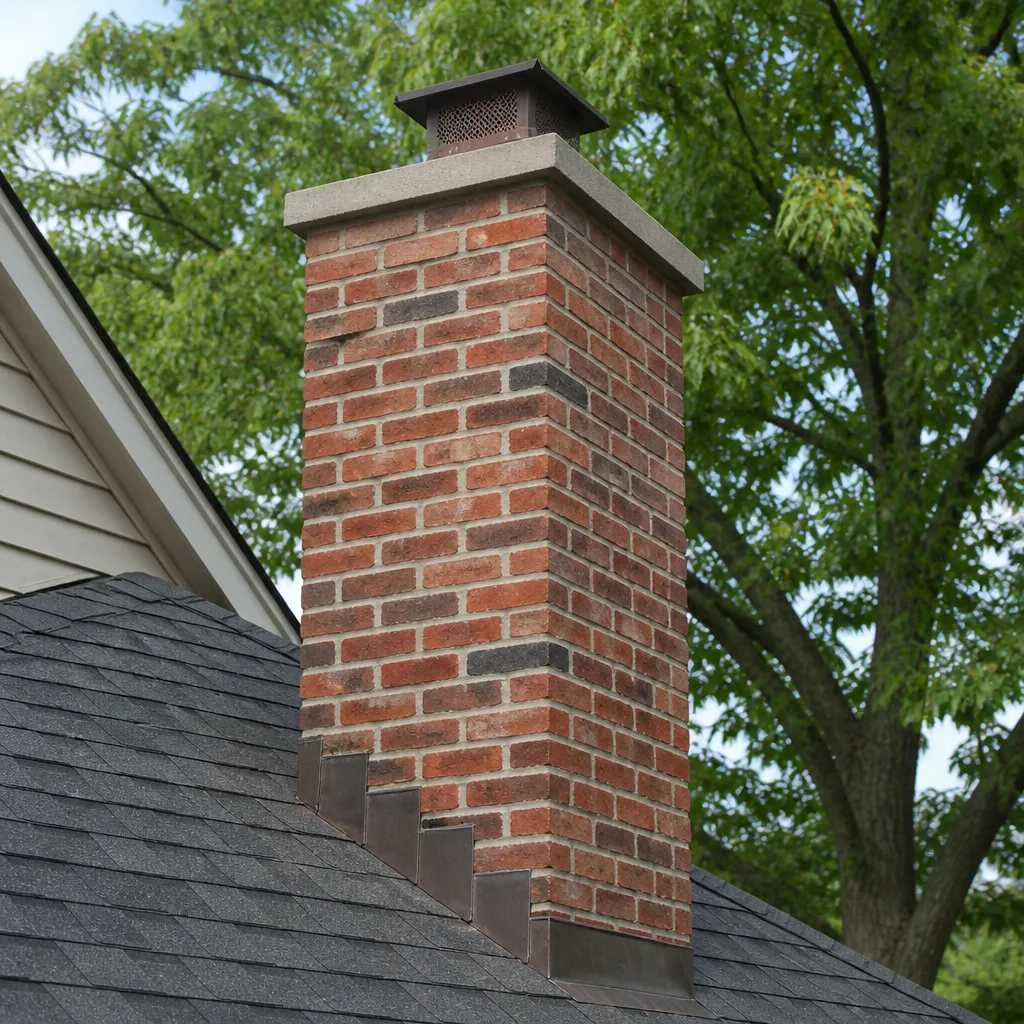 Masonry repair
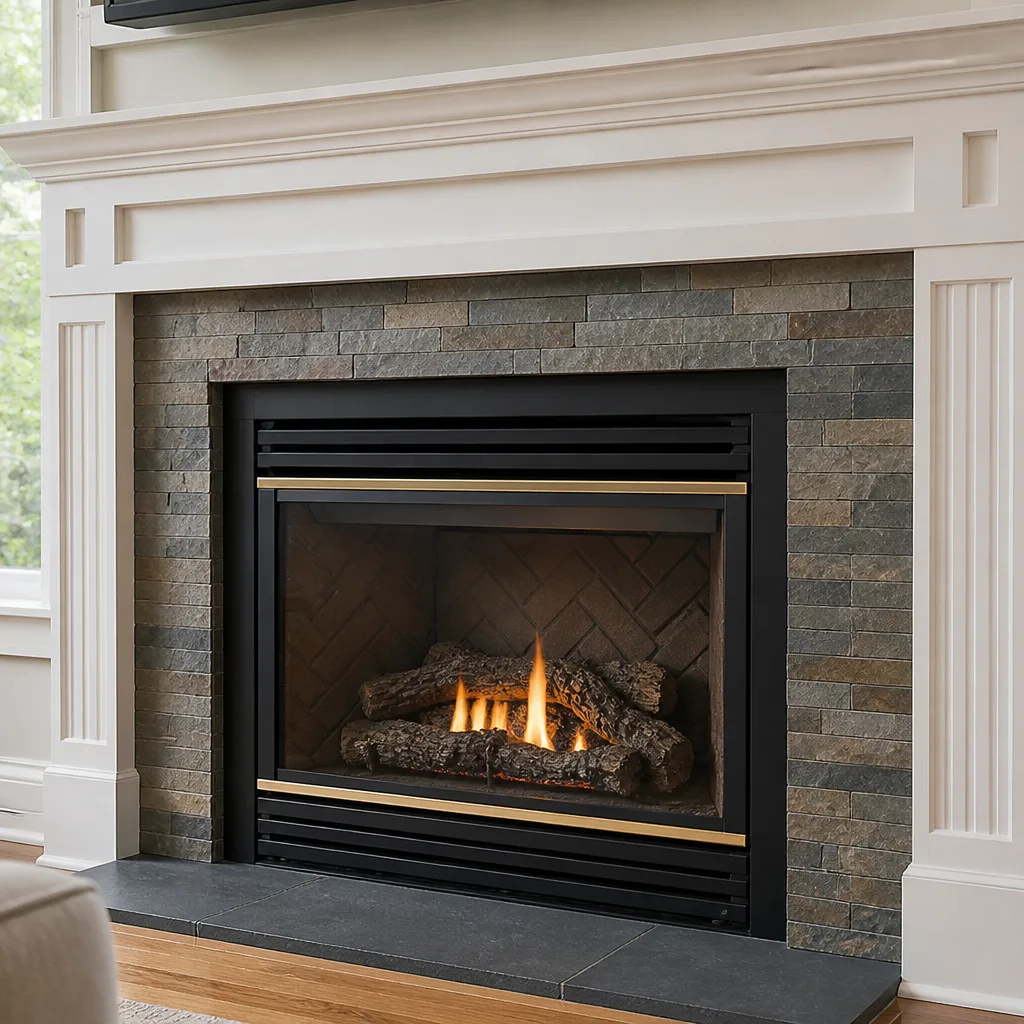 Gas fireplace service
Level 1 sweep and inspection to the NFPA 211 annual standard - flue, crown, cap, and flashing checked and photographed
Chimney sweep logs do not sweep chimneys. They loosen some creosote - which then falls where a brush and vacuum still have to collect it.
The Complete Guide to Chimney Cleaning in Boise City
Most homeowners treat a chimney sweep as a box to check once a year, somewhere between gutter cleaning and replacing furnace filters. That framing misses what actually happens inside a flue in high-desert country. Boise City sits above 2,700 feet, winter air here is dry, and the wood many households burn leans heavily toward pine and juniper. Those conditions change how fast creosote forms and what kind of creosote you get, which means the standard national advice about annual sweeping doesn’t map cleanly onto a Boise City chimney. This guide walks through what a real cleaning involves, how the local climate shifts the timeline, what equipment separates a professional job from a surface brushing, and how to verify afterward that the work was actually done. If you want the short version, Chimney Sweep Boise City covers it, but read on for the detail most guides skip.
Quick Answer
Chimney cleaning in Boise City means removing creosote, soot, and blockages from the flue, firebox, and smoke chamber, then inspecting the whole system so you know it’s safe to burn again. A thorough job has three distinct phases, inspection, brush sweep, and HEPA vacuuming, and the dry high-desert air plus pine and juniper firewood here means creosote can build and harden faster than in damper climates. Most wood-burning households need a sweep once a year, but heavy burners and anyone using resinous softwoods should expect the flue to reach the harder creosote stages sooner, which is exactly why a visual check before each season matters more than a rigid calendar.
Styles & brands we work with
- Sweep & inspection
- Caps & crowns
- Flue relining
- Masonry repair
- Gas fireplace service
Table of Contents
- How Boise City’s Climate Changes Creosote Buildup
- The Three Phases of a Professional Chimney Cleaning
- Why Pine and Juniper Demand Extra Attention
- Professional Equipment vs. Hardware-Store Tools
- How to Verify a Cleaning Was Done Correctly
- How Often Should You Clean Your Chimney in Boise City?
- What Affects the Cost of a Chimney Cleaning
- Safety, Carbon Monoxide, and Chimney Fires
How Boise City’s Climate Changes Creosote Buildup
Creosote forms when wood smoke cools and condenses on the inside of the flue, and the rate at which it forms depends on two things: how hot the fire burns and how quickly the exhaust cools on its way up. Boise City’s dry air produces firewood with lower moisture content than you’d find in humid regions, and drier wood burns hotter and faster. A hotter fire sounds like good news, and in some ways it is, because a clean, hot fire produces less unburned smoke. The catch is that the volume of fuel moving through the system rises, and the flue still cools that exhaust as it rises through cold winter air.
Cold winters matter here. When the outside temperature drops hard, the temperature difference between the hot exhaust and the cold flue wall gets steep, and that sharp gradient is what drives condensation. The result is a flue that can accumulate creosote in layers rather than a single thin glaze. In our experience working Boise City chimneys, the buildup often shows a soft, flaky outer layer over a harder, tar-like deposit underneath, and that second layer is the one that resists a quick brushing.
Elevation plays a quieter role. At 2,700 feet and up, atmospheric pressure is lower, and draft behavior shifts with it. A chimney that drafts well at sea level may pull differently at this elevation, especially on days when the outside air is dense and cold. Poorer draft means smoke lingers longer in the flue, which gives it more time to deposit creosote on the walls.
- Dry winter air lowers fuel moisture, so fires burn hotter and consume more wood.
- Steep indoor-outdoor temperature swings cool exhaust fast and encourage condensation on flue walls.
- Elevation-related draft differences can slow smoke movement on cold, dense-air days.
- Resinous local softwoods add more unburned material to the exhaust stream than hardwoods do.
None of this means Boise City chimneys are doomed to fail. It means the cleaning schedule and the inspection eye need to be tuned to local conditions rather than to generic advice written for a temperate climate. A sweep who understands the local picture will look harder at the upper flue and the smoke chamber, where condensation-driven deposits tend to concentrate.
The Three Phases of a Professional Chimney Cleaning
A proper cleaning isn’t one action. It’s a sequence, and each phase exists because the one before it set the stage. Skip a phase and the job is incomplete, no matter how clean the firebox looks when the technician packs up.
- Inspection. Before any brush touches the flue, the technician inspects the firebox, damper, smoke chamber, flue interior, cap, and crown. The point is to find problems first: cracks, gaps in the liner, animal nests, or heavy glaze. Cleaning a damaged flue can make the damage worse, and knowing what’s in there tells the technician how aggressive the sweep needs to be.
- Brush sweep. The technician runs a brush sized to the flue through the full length, from the top down or bottom up depending on the setup. The brush action breaks creosote loose from the walls. Rotary equipment may be needed when the deposit has hardened into the glazed stages. The sweep isn’t finished until the brush has covered the full run, not just the easy middle section.
- HEPA vacuuming and cleanup. A high-efficiency vacuum runs alongside the brush to capture soot and dust before it spreads into the room. After the sweep, the technician vacuums the firebox, smoke shelf, and any soot that settled on the hearth or damper area. The room should look the way it did before the technician arrived.
What each phase accomplishes is distinct. The inspection produces information, the sweep produces a clear flue, and the vacuuming protects your home. A company that treats cleaning as a single brush-and-go task has skipped the part that actually protects you. It’s also why a professional sweep should be able to tell you afterward what was found, not just that the flue was cleaned.
There’s a fourth, informal phase worth mentioning: the report. When cleaning reveals a liner problem, a damaged crown, or a failing cap, that finding should be documented so you can decide what to do about it. Repair work on liners often uses HeatShield resurfacing or DuraFlex liners, but the decision belongs to you, based on what the inspection actually showed. Our approach on every chimney sweep is to recommend nothing that the camera inspection or visual check didn’t surface.
Why Pine and Juniper Demand Extra Attention
Idaho has plenty of pine and juniper, and both burn readily. They’re also both resinous softwoods, which means they carry more sap and volatile compounds than hardwoods like oak or maple. When those compounds burn, they release more unburned material into the smoke, and when the smoke cools, that material condenses on the flue as creosote.
The practical consequence is that a woodpile heavy in pine and juniper can push a flue into the harder creosote stages faster than a hardwood-only household would experience. Creosote has roughly three stages: a soft, sooty first stage that brushes away easily, a flaky, crusty second stage that resists a light brushing, and a glazed, tar-like third stage that’s genuinely difficult to remove and carries the highest fire risk. The third stage is the one that keeps experienced technicians careful, because it can ignite and burn hot enough to damage the liner.
That’s not a reason to avoid pine. It’s a reason to clean more attentively. Dry, well-seasoned softwood burns well, and plenty of Boise City households rely on it. What changes is the inspection rhythm. A home burning mostly softwood should get the flue checked before each heating season, and if the wood is wet, unseasoned, or burned slow and smoldering, expect harder deposits to appear sooner.
- Season your wood. Split and stack it so it dries thoroughly before burning; dry wood produces less creosote than wet wood.
- Burn hot, not smoldering. A clean, hot fire produces less unburned smoke than a low, slow burn.
- Mix in hardwood where you can. Blending pine and juniper with seasoned hardwood reduces the smoke load.
- Get a pre-season check. Softwood households benefit most from an early inspection before cold weather sets in.
Gas and oil furnace flues follow different rules. They don’t produce creosote the way wood does, but they can produce corrosive byproducts and their own buildup, and a gas flue still needs inspection. A full-service chimney repair and inspection company handles all three fuel types because they fail in different ways.
Professional Equipment vs. Hardware-Store Tools
The difference between a professional cleaning and a consumer one shows up in the equipment. A hardware-store brush on a flexible handle can knock loose a light layer of soot, but it can’t do much against crusted or glazed creosote, and it generates a cloud of soot as it goes. Professional gear is built for the conditions above the second creosote stage.
Professional sweeps use brushes from suppliers like Copperfield, sized to the flue rather than approximated. Correct brush fit matters: too small and the bristles don’t reach the walls, too large and the brush won’t pass through the flue. A rotary brush system can break up harder deposits with controlled rotation rather than pure friction. On the vacuum side, a HEPA-filtered vacuum with enough airflow keeps soot out of your living room. Consumer shop vacuums don’t have that filtration, and they can actually blow fine soot back into the air.
| Task | Hardware-store tools | Professional equipment |
|---|---|---|
| Light soot removal | Works | Works |
| Stage 2 crusted creosote | Marginal at best | Rotary brush handles it |
| Stage 3 glazed creosote | Not practical | Specialized removal, often followed by chemical treatment |
| Dust containment | Limited | HEPA vacuum captures fine particles |
| Flue-sized fit | One-size approximates | Brush sized to the actual flue |
It’s not that consumer tools are worthless. It’s that a homeowner can’t assess which stage of creosote is present, can’t size a brush without inspection, and shouldn’t be on a roof or leaning into a flue when the deposits may already be hazardous. The equipment question and the safety question are the same question.
Beyond cleaning, professional-grade parts matter too. Caps and flashing from Gelco and venting components from Famco are built to fit and last, while generic substitutes often don’t. When it’s time to replace a failing cap or fix a leaking crown, the material chosen determines whether the fix holds through another Idaho winter. Our Boise City approach is to specify brands that certified pros trust rather than whatever’s cheapest on the shelf.
How to Verify a Cleaning Was Done Correctly
You don’t need a chimney background to evaluate whether a cleaning was done properly. You need to know what to look at after the technician leaves, and what questions to ask. The checkpoints below take a few minutes and catch most shortcuts.
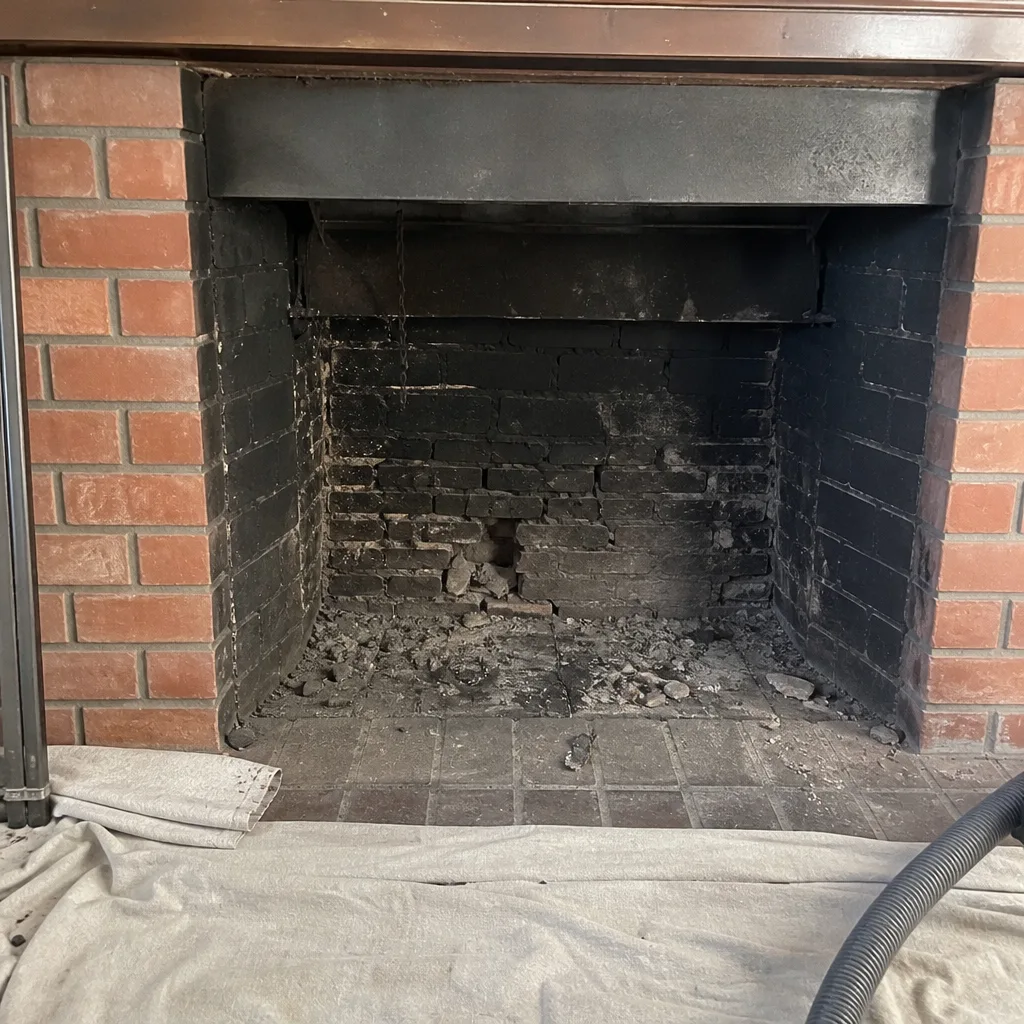
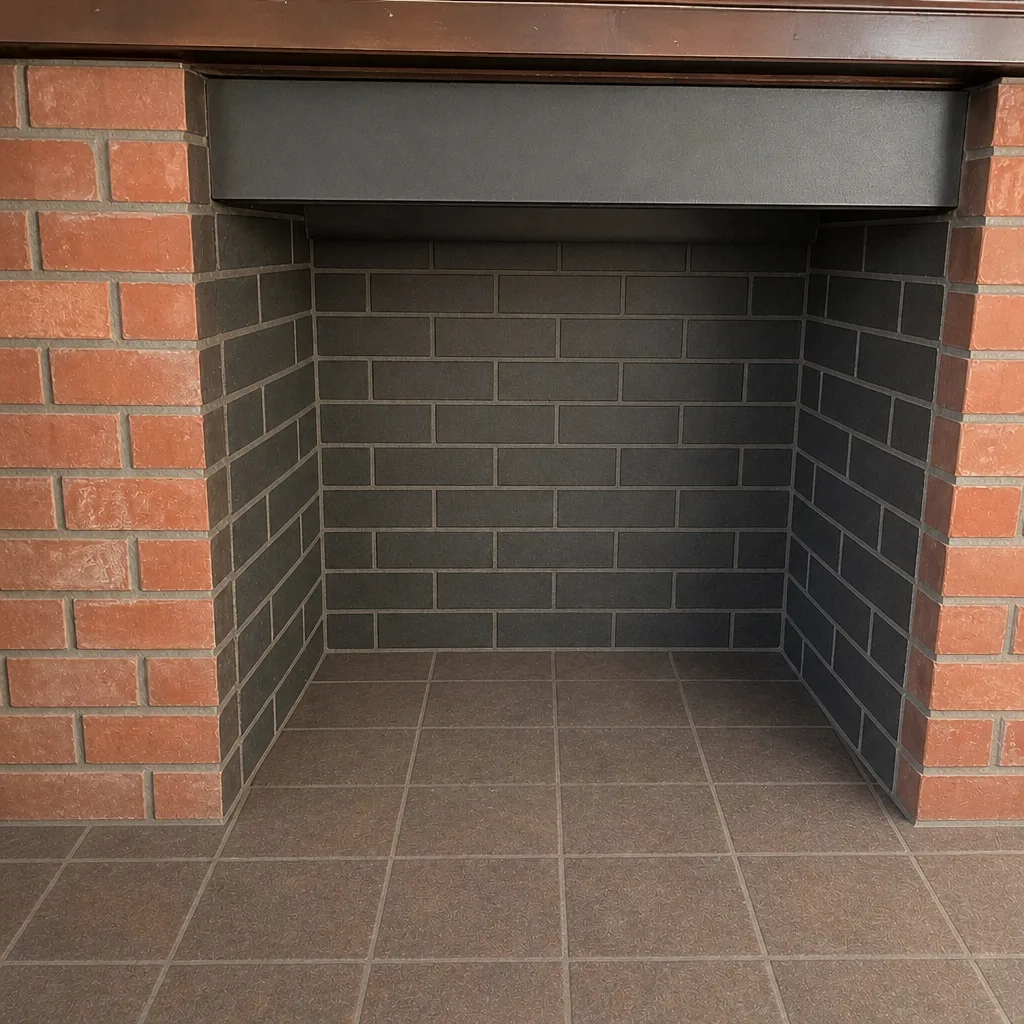
- Look inside the firebox. The firebox walls should be visibly cleaner, with soot and ash gone. The damper should move freely and close flush. If soot remains caked on the walls, the sweep wasn’t finished.
- Check the smoke shelf and chamber area. Soot settles on the smoke shelf and in the smoke chamber above the damper. Those areas should be clean, not just the firebox floor.
- Inspect the room for dust. A HEPA-equipped sweep leaves little to no soot in the room. A visible dusting of fine gray powder on the hearth or nearby furniture signals inadequate containment.
- Ask for the inspection findings. A proper cleaning includes an inspection. The technician should be able to tell you what was found, including any liner, crown, or cap issues, and whether a repair recommendation surfaced.
- Look at the report or documentation. A written summary of the inspection and the cleaning gives you a record for the next season. If you were shown camera footage, keep it.
- Check the cap and crown. The cap should be intact and the crown free of cracks. If either was flagged, ask what the recommended fix is and what it costs before agreeing to anything.
The verification culture matters as much as the checkpoints. A company that explains findings plainly and puts them in writing is one you can trust next season. A company that tells you the flue needs thousands of dollars of liner work without showing you why has given you nothing you can verify. On every job we do, nothing is recommended without camera evidence you can see for yourself, and we’ll tell you plainly when work can safely wait.
How Often Should You Clean Your Chimney in Boise City?
Once a year is the baseline for a wood-burning fireplace that sees regular winter use, and for many Boise City households that’s the right rhythm. But the baseline assumes moderate use, seasoned hardwood, and a flue in good condition. Adjust upward when any of those change.
Heavy burners, anyone heating with wood as a primary source, homes burning largely pine and juniper, and households where the fire often smolders overnight should plan on a mid-season check as well. Homes that burn only occasionally, maybe a few fires a month through winter, can sometimes stretch to a longer interval, but the flue should still be inspected before the season starts. A gas fireplace or furnace flue should be inspected annually too, even though it doesn’t produce creosote.
- Annual sweep and inspection: standard for wood fireplaces in active use.
- Pre-season check: sensible for any household that hasn’t had the flue inspected since last winter.
- Mid-season check: worth it for heavy burners and softwood-only households.
- After any chimney fire: inspection is essential before burning again, even a small fire.
- New home purchase: get an inspection before you rely on the fireplace, regardless of what the seller says.
There’s a simple way to judge: if the firebox or flue shows a quarter-inch or more of buildup, it’s time. You can check the firebox walls yourself with a flashlight. Above the damper is harder, which is why the professional look matters.
What Affects the Cost of a Chimney Cleaning
Pricing for chimney cleaning varies with the job, not with the address. Several factors move the number up or down, and it’s worth understanding what they are before you call, so you can judge a quote honestly.
- Flue length and access. A tall flue or one with an awkward roof access takes more time and setup.
- Creosote stage. Stage 1 buildup cleans easily. Stage 2 and 3 require more aggressive techniques and sometimes chemical treatment.
- Blockages. Nests, debris, or a partially collapsed liner section add time and may require a camera inspection.
- Number of flues. A fireplace plus a furnace flue in one chimney is two flues to clean and inspect.
- Whether inspection is included. A cleaning that includes inspection and documentation is a different job from a brush-and-leave.
The written estimate is the price. It should be set before the technician starts, laid out as a flat figure for the scope described, and agreed in writing. That protects you from surprise add-ons and protects the technician from being blamed for findings they didn’t create. Every estimate we give is free, and nothing on that estimate changes unless you approve a repair the inspection actually justified.
Safety, Carbon Monoxide, and Chimney Fires
Two hazards drive the case for regular cleaning. The first is chimney fire. Creosote is flammable, and the glazed third stage burns hottest, hot enough to damage the flue liner and spread into surrounding framing. Chimney fires can burn slowly and go unnoticed from inside the house. The second is carbon monoxide, a colorless, odorless gas that can back up into the home if the flue is blocked, the draft is compromised, or the liner has failed. Both hazards are the reason the inspection phase exists, not just the sweep.
If you suspect a chimney fire, get everyone out and call the fire department, even if the fire seems to go out on its own. Afterward, the flue needs a professional inspection before you burn again. If your carbon monoxide alarm sounds, treat it as real and leave the building. Check your alarm batteries on the same schedule you check the flue, and keep a working CO alarm on every floor where people sleep.
What you can safely do yourself is limited to observation. Look at the firebox for heavy buildup, check that the damper opens and closes, confirm the cap is intact from the ground, and watch for smoke backing into the room when the fire is lit. What you shouldn’t do is climb onto the roof, reach into the flue with a tool, or try to break up glazed creosote from below. The combination of height, sharp tools, and flammable tar makes this work genuinely dangerous. A real expert will tell you that plainly rather than sell you a brush and wish you luck.
Common Mistakes to Avoid
- Treating cleaning as a brush-only job. A sweep without inspection misses damaged liners and cracked crown work until those problems get expensive. Cleaning should always include a look at the whole system.
- Assuming annual is always enough. Boise City’s dry air and pine-heavy woodpiles can push flues into harder creosote stages sooner than the national once-a-year advice suggests. Check before the season, not after.
- Burning wet or unseasoned wood. Wet fuel wastes heat and deposits more creosote on the flue. Season it, split it, stack it, and let it dry.
- Using hardware-store brushes on a real flue. A consumer brush can’t size to the flue or handle crusted creosote, and it spreads soot through the room. It’s a false economy.
- Skipping the camera on repair recommendations. If someone tells you the liner needs replacing before showing you footage, you’re being asked to trust a claim you can verify. Ask for the evidence.
- Assuming gas is maintenance-free. Gas and oil furnace flues still need annual inspection for blockages and corrosion, even though they don’t produce creosote.
- Ignoring a small chimney fire. A brief, contained fire still stresses the liner and leaves deposits. It needs inspection before the next burn.
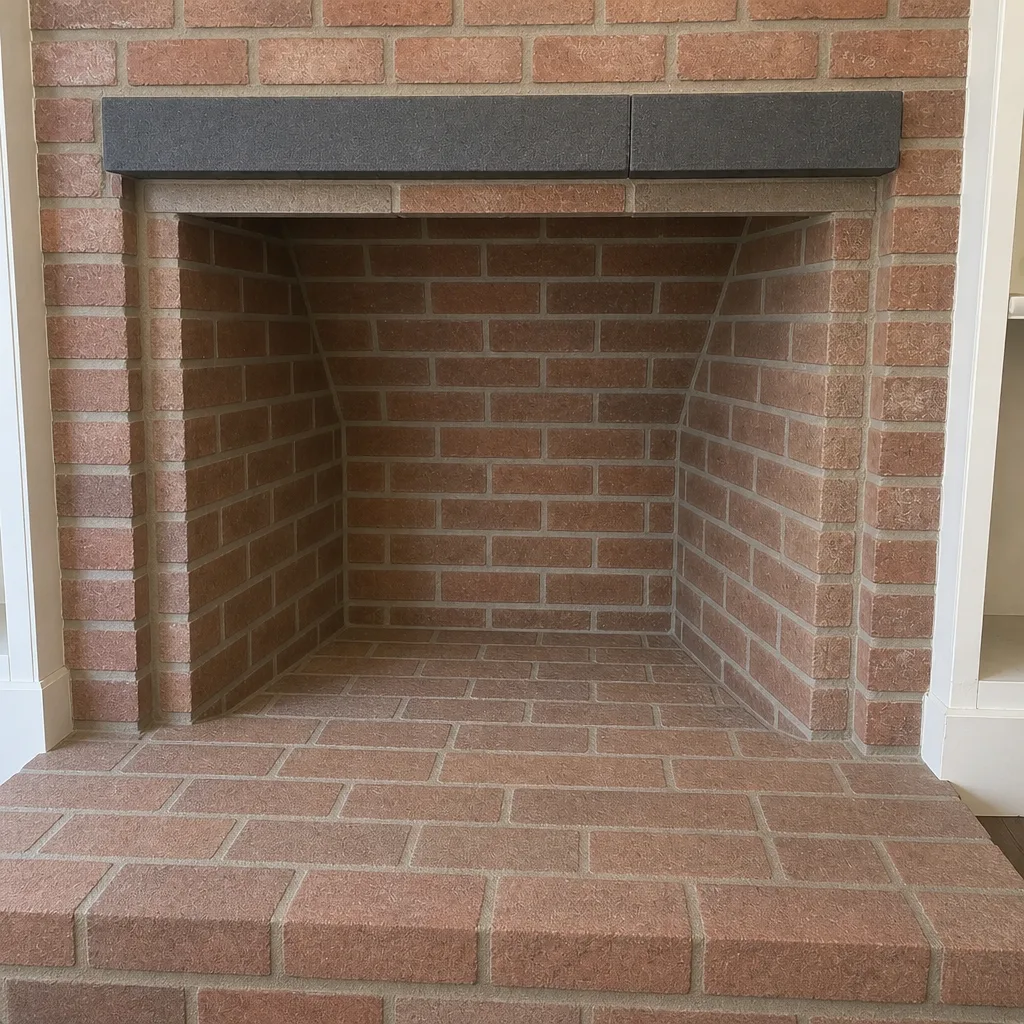
See the difference
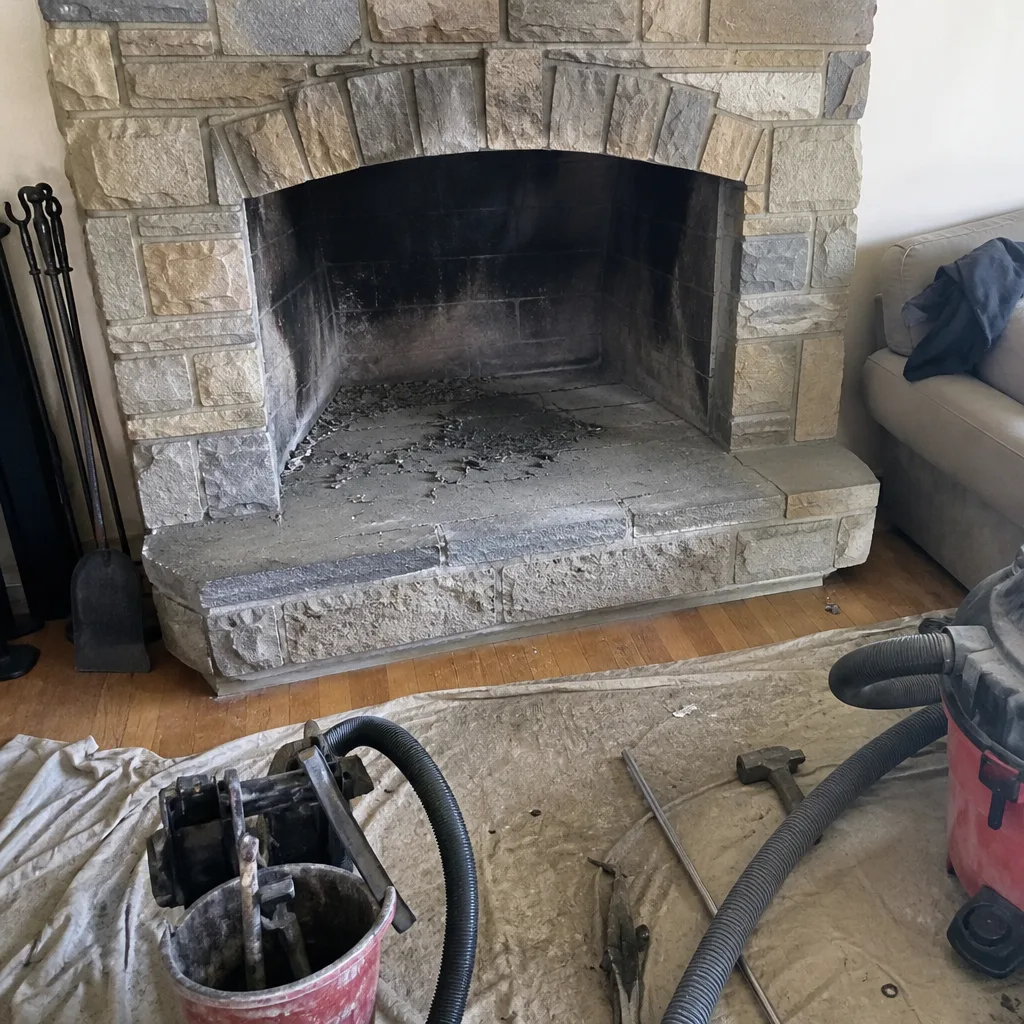 Before
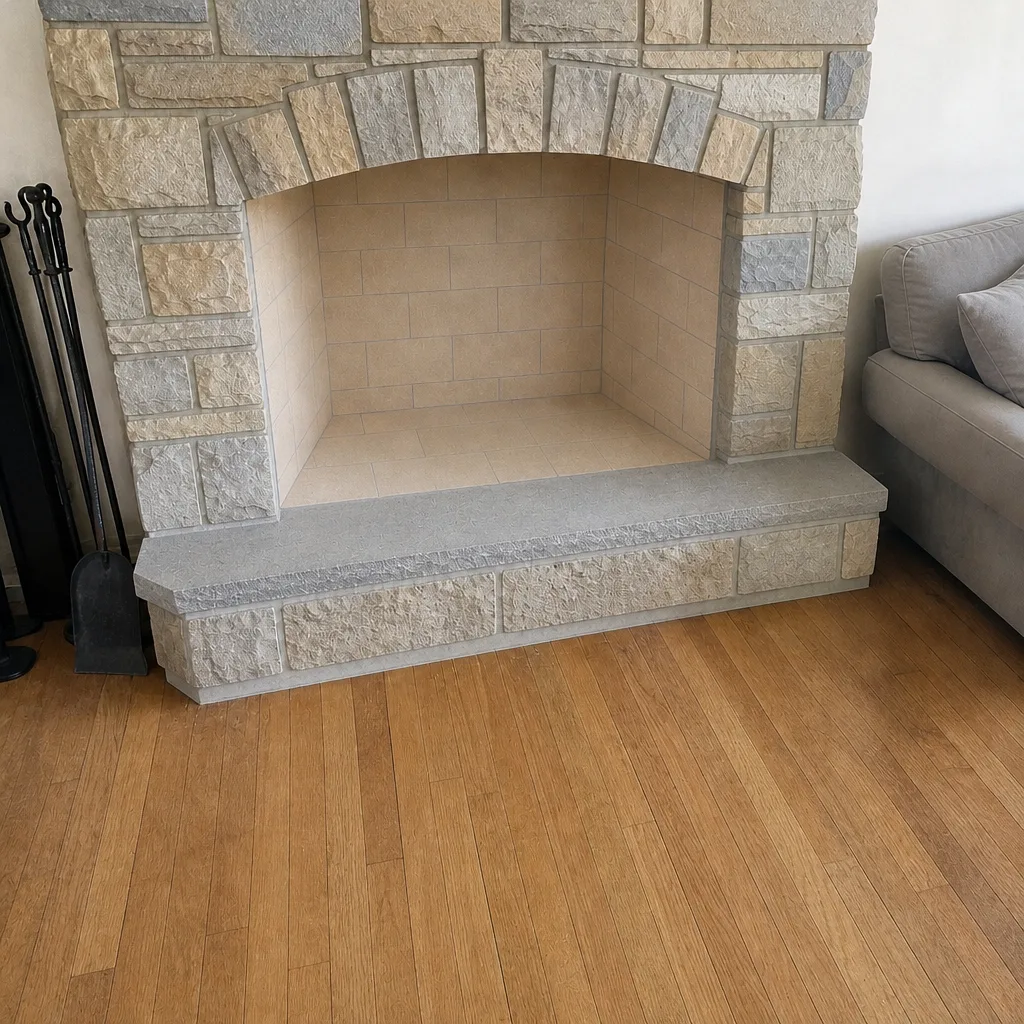 After
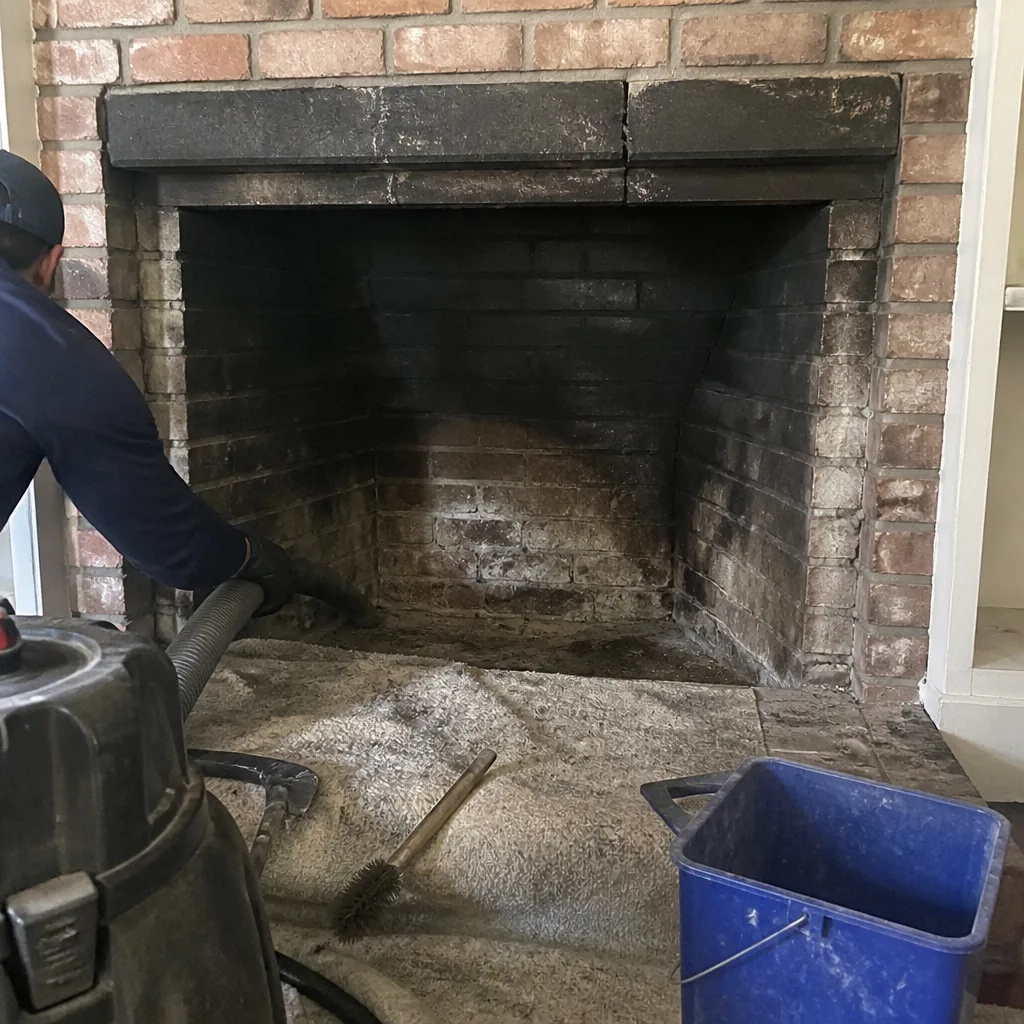 Before
 After
 Before
 After
When to Call a Professional
Call a professional if it’s been a season since your last cleaning, if you’ve bought a home and don’t know the fireplace’s history, or if you see more than an eighth-inch of buildup in the flue or firebox. Call immediately if smoke backs into the room, if you hear a rumble or roar from the chimney, if your CO alarm has sounded, or if the cap or crown is visibly damaged. Any of these signals means the system needs eyes on it before you burn again. Chimney Sweep Boise City offers free estimates in Boise City, and our technicians have up to 8 years of experience. Call (833) 486-7115. We answer 24/7. Fast dispatch from 7am to 7pm, Sunday through Friday. The written estimate sets the price, and nothing gets recommended that the inspection didn’t justify.
Frequently Asked Questions
Once a year for a wood-burning fireplace in regular use, with a pre-season check and a mid-season look for heavy burners or households burning mostly pine and juniper. The dry high-desert air and resinous local softwoods push creosote formation faster than in humid climates, so the local rhythm matters more than the generic calendar. If you’re not sure when the last cleaning happened, get an inspection before you light the first fire. Call (833) 486-7115 for an exact quote – estimates are free.
Creosote keeps accumulating, and once it reaches the glazed third stage it’s harder and more dangerous to remove, raising the risk of a chimney fire and restricting draft. Blockages or a failed liner can also let carbon monoxide back up into the home. Skipping a year doesn’t guarantee a fire, but it steadily narrows the margin of safety. Call (833) 486-7115 to book an inspection – estimates are free.
A cleaning should include an inspection, and a standalone inspection makes sense when you’re buying a home, after a chimney fire, or when the flue hasn’t been looked at in years. The inspection is what catches liner cracks, crown damage, and cap failures before they become repair bills. We don’t recommend work without camera evidence you can see yourself. Call (833) 486-7115 for an exact quote – estimates are free.
No. The flue is high, the tools are sharp, and glazed creosote is flammable, so a homeowner attempting a sweep risks a fall or a fire. You can safely check the firebox with a flashlight and confirm the damper works, but the flue itself belongs to a trained professional. A real expert will tell you that rather than sell you a brush. Call (833) 486-7115 for an exact quote – estimates are free.
A properly done cleaning won’t, but an aggressive one on an already-damaged liner can make things worse, which is why inspection comes first. The technician checks the liner condition before the brush goes in and adjusts technique accordingly. If the liner is failing, resurfacing with HeatShield or installing a DuraFlex liner may be the right repair, and you’ll see the reason before anything gets approved. Call (833) 486-7115 for an exact quote – estimates are free.
Look inside the firebox for clean walls, check the hearth and nearby surfaces for fine soot dust, and ask for the inspection findings in writing. A full sweep covers the flue from top to bottom, not just the easy middle. If the technician can’t tell you what was found or won’t document it, the job wasn’t thorough. Call (833) 486-7115 for an exact quote – estimates are free.
The Bottom Line
Chimney cleaning in Boise City isn’t a single annual chore. It’s a sequence, inspection, brush sweep, and HEPA vacuuming, tuned to dry winter air, elevation, and the pine and juniper that fill so many local woodpiles. The glazed creosote stage arrives sooner here than the generic advice suggests, and the equipment you use to remove it matters as much as the cleaning itself. Verify the work by looking in the firebox, checking for soot dust, and asking for the inspection findings in writing. And if a recommendation for liner or masonry work comes without evidence you can see, ask why before you agree to anything.
Our Chimney Sweep Boise City team works with professional-grade materials rather than hardware-store substitutes, using brands like DuraFlex and HeatShield, because that’s what a Boise City chimney actually demands. Whether you need a routine chimney sweep, a closer look at a liner, or a chimney repair after an inspection turns up a problem, one call covers it from start to finish. We answer 24/7, with fast dispatch from 7am to 7pm, Sunday through Friday. Call (833) 486-7115 for a free estimate on your Boise City chimney. The written estimate sets the price, and nothing gets recommended that the evidence doesn’t support.
Written by the team at Chimney Sweep Boise City.