
Last updated November 15, 2026
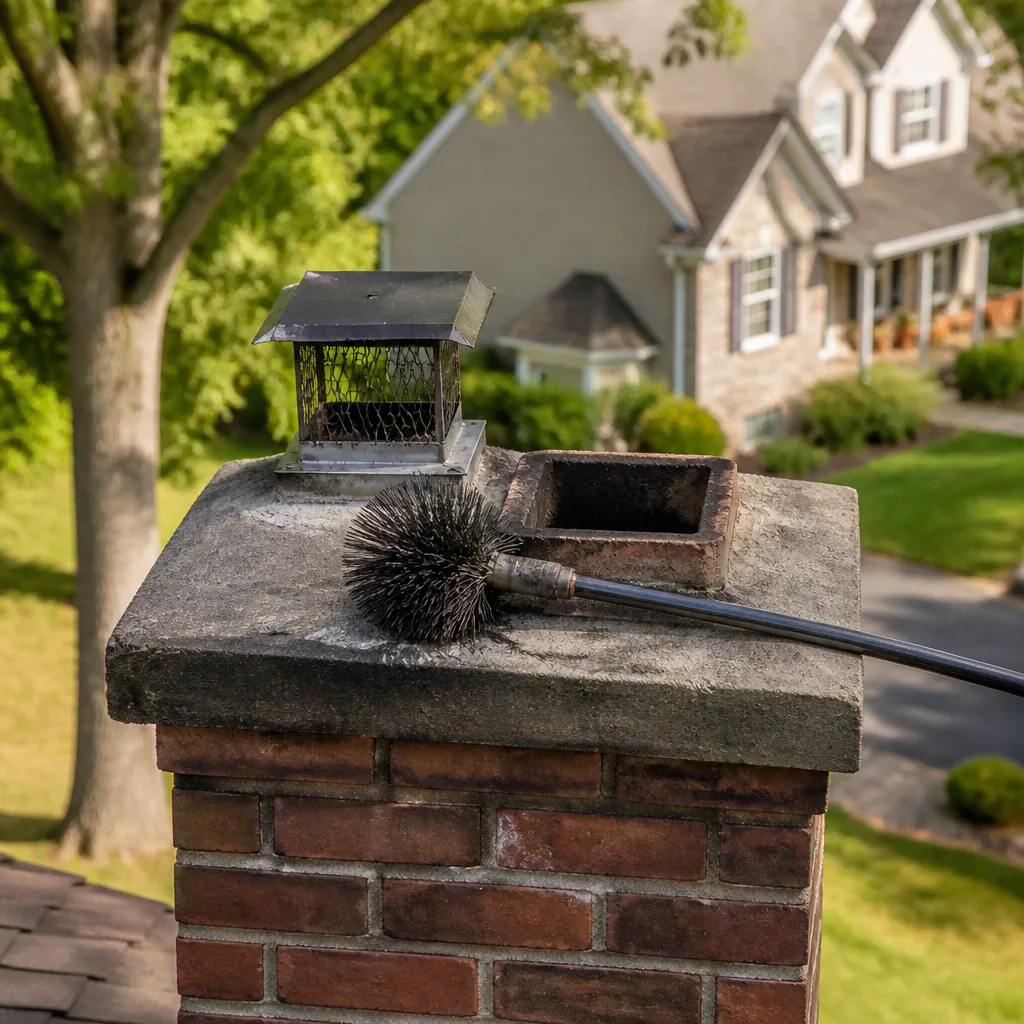 Sweep & inspection
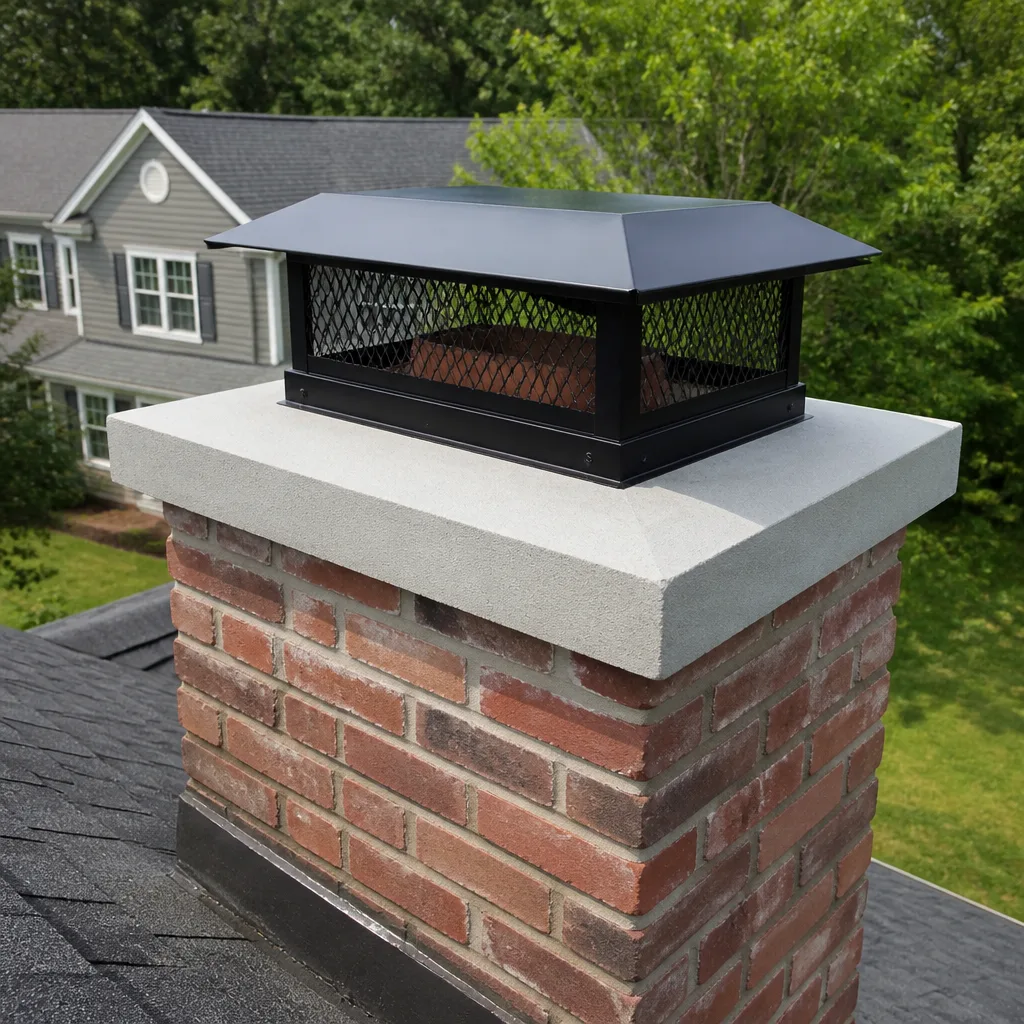 Caps & crowns
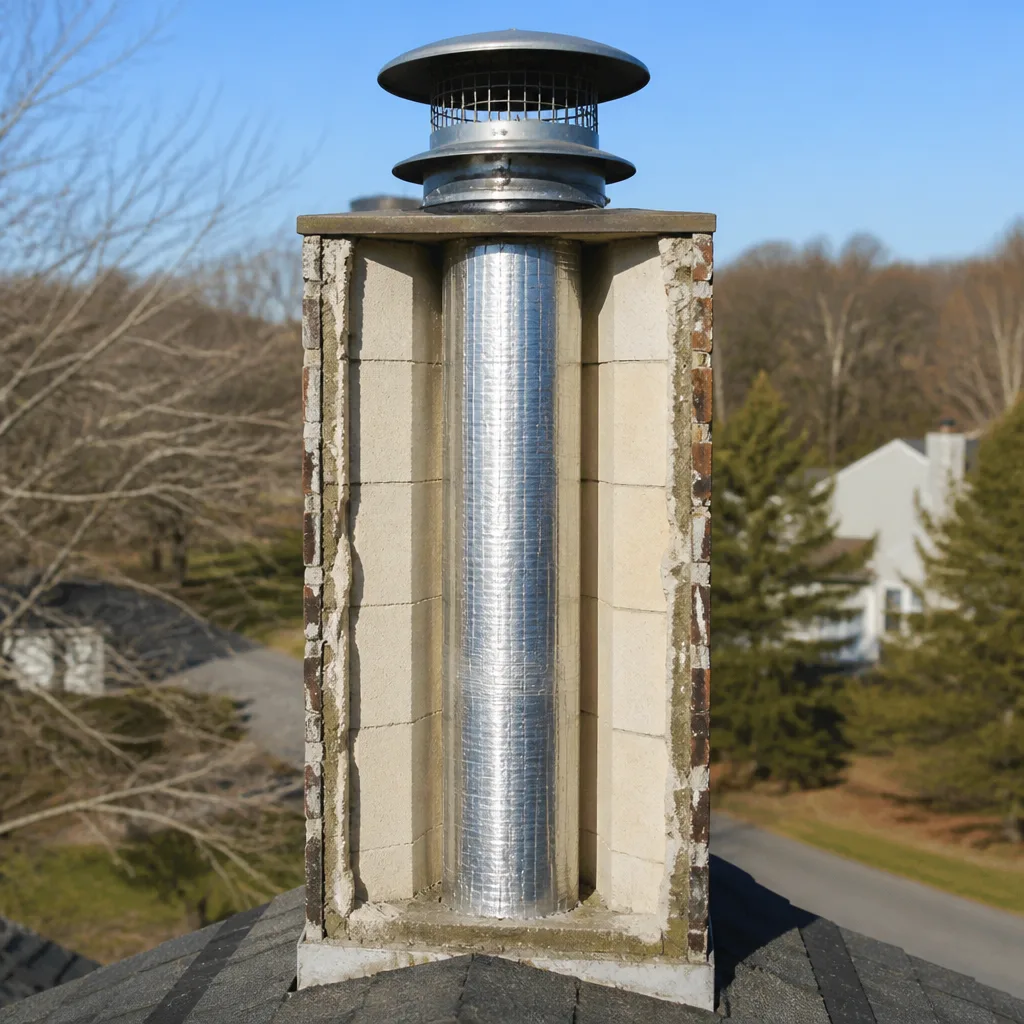 Flue relining
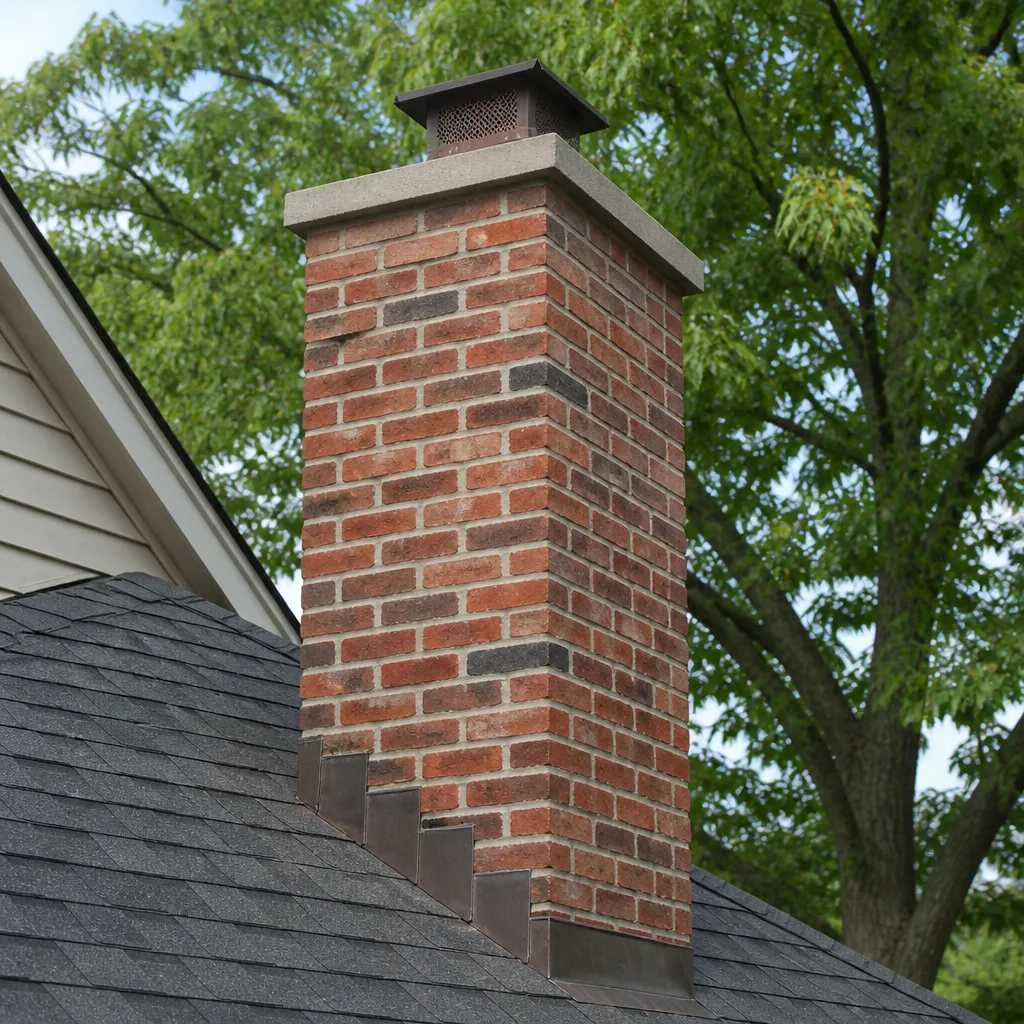 Masonry repair
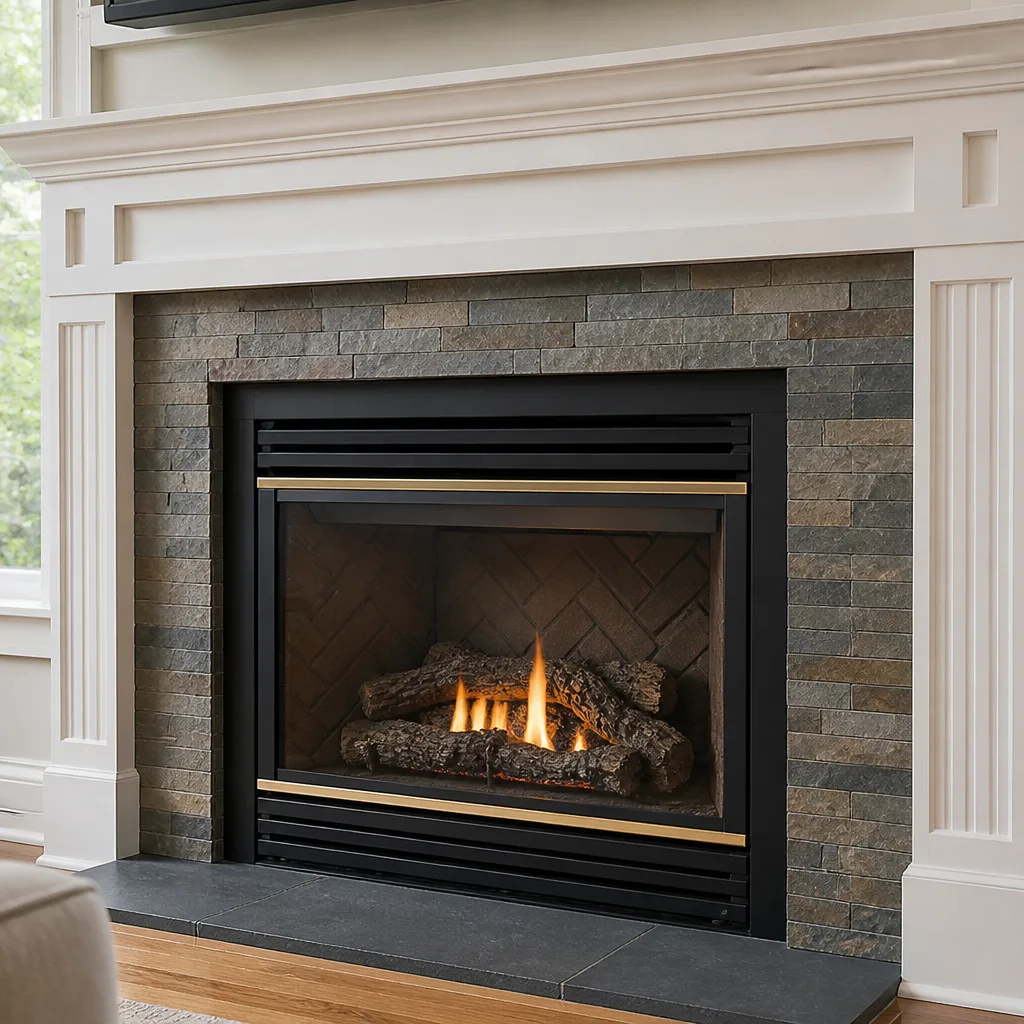 Gas fireplace service
Level 1 sweep and inspection to the NFPA 211 annual standard - flue, crown, cap, and flashing checked and photographed
Chimney sweep logs do not sweep chimneys. They loosen some creosote - which then falls where a brush and vacuum still have to collect it.
Choosing the Right Chimney Cleaning Brand: A Buyer’s Guide for Boise City
Most Boise City homeowners choose a chimney company on price, then never think about the brand of materials behind the work. That’s a mistake. A stainless cap is a stainless cap until you get a close look at the weld seam and the alloy grade, and a “liner” means nothing until you ask who made it and who stands behind it in the supply chain. In chimney work, materials are the quiet signal of how a company operates: whether they buy from professional-grade distributors or reach for the cheapest import that fits the invoice. This guide explains the brands that show up in serious chimney work, what each one is actually for, and how to read a contractor’s answer when you ask which brands they use.
Quick Answer
The right chimney cleaning and repair brands in Boise City are the ones professional chimney companies specify: materials sourced through industry distribution channels rather than big-box stores or online marketplaces. Look for a company that names its brands when you ask – DuraFlex and Olympia Chimney for liner systems, HeatShield for resurfacing, Gelco and Famco for caps, flashing, and venting – and that puts those brands on the written receipt. If a contractor can’t tell you what brand they’re installing, that’s your answer.
Styles & brands we work with
- Sweep & inspection
- Caps & crowns
- Flue relining
- Masonry repair
- Gas fireplace service
Table of Contents
- Why Brand Matters in Chimney Work
- The Professional-Grade Brands You’ll See on a Real Quote
- How to Ask a Sweep Which Brands They Use
- What Boise City Climate Demands From Chimney Materials
- HeatShield vs. Spray-On Liner Alternatives
- How to Verify a Contractor’s Material Claims
- What a Legitimate Job Receipt Should Reference
Why Brand Matters in Chimney Work
A chimney is a system under constant thermal stress, and the brand of every component inside it determines how long the system lasts. The cap keeps water and animals out. The liner carries flue gases at temperatures that will melt a cheap alloy. The crown, the flashing, and the vent components each have a job. Replace any of them with a bargain-bin part and the failure shows up a few winters later, not on the day of install.
For Boise City homeowners, that lag is the problem. A cut-rate cap looks fine in April. The weld seam fails after a couple of freeze-thaw cycles, water creeps into the crown, and by the next inspection the crown has cracked and the flue is wet. The expensive work that follows traces back to a part that saved someone a few dollars at the wrong moment.
Brand choice also tells you how a company runs. Professionals specify brands because those brands come with installation requirements, manufacturer certifications, and warranty structures that keep the installer accountable. A contractor running a professional operation is comfortable with that accountability. A contractor cutting corners on inputs to protect margin is not. That’s the real reason to read material choices as a credibility signal, not just a spec sheet. Our team at Chimney Sweep Boise City works with professional-grade chimney materials for exactly this reason, and we’ll explain below what each brand is actually doing on the job.
The Professional-Grade Brands You’ll See on a Real Quote
Chimney work involves a handful of brand names that repeat across professional installations. If you’re reading a quote from a Boise City contractor and don’t recognize the product name, ask. Here’s what each of these brands is typically used for.
DuraFlex
DuraFlex is a flexible stainless liner system, used to reline a flue when the original clay tile liner is cracked, spalled, or missing. The liner is the single most safety-critical component in a chimney: it carries hot flue gases and contains them away from the wood framing of the house. A DuraFlex liner is a professional-tier product – not something you find at a hardware store – and installation requires knowledge of sizing, insulation, and code clearances. If a contractor is quoting a flexible liner and can’t tell you the brand, ask why not.
HeatShield
HeatShield is a chimney resurfacing system. It restores a damaged clay liner from the inside, filling cracks and rebuilding the surface rather than removing and replacing the whole liner. We use it because it’s the leading resurfacing option in the trade, and because it lets us extend chimney life without a full reline when the condition allows. We’ll cover how to tell HeatShield apart from cheaper spray-on alternatives in its own section below.
Olympia Chimney
Olympia Chimney is a name you’ll see on caps, liners, and chimney system components. A quality cap has two jobs: keep water out and meet spark arrestor mesh standards. The alloy grade and weld quality determine whether the cap survives a decade of Boise City winters. Ask which brand is going on top of your flue before the technician climbs the roof.
Gelco and Famco
Gelco and Famco components turn up in caps, flashing, and venting work. These are the kind of parts sourced through industry distribution channels rather than pulled off a store shelf. Flashing done with a professional-grade part and installed to the correct profile will seal a roof penetration for years. Flashing done with a generic substitute often doesn’t.
Copperfield
Copperfield is an industry distribution standard – the channel professional chimney companies buy through. Working with a distributor like Copperfield is how a contractor ensures the part is genuine and not an aftermarket substitute. When a contractor tells you they source through Copperfield or a comparable professional channel, that’s a supply-chain answer, and it tells you something about how seriously they take parts quality.
How to Ask a Sweep Which Brands They Use
The question is simple, but what you’re listening for isn’t just a brand name. You’re listening for whether they can tell you why. A contractor running a professional operation knows their product lines and can explain the choice without hesitation. A contractor who learns the answer from your question is a different story.
Here’s how to make the conversation useful:
- Ask the brand question on the phone, before the visit. “What brands do you use for liners, caps, and resurfacing?” is enough. Note whether the answer comes quickly and specifically, or vaguely.
- Ask the follow-up. “Why that brand instead of another one?” A good answer names the job requirement – alloy grade, mesh standard, thermal rating – not just “it’s what we’ve always used.”
- Ask about sourcing. “Where do you buy your components?” Professional companies answer with distribution channels, not a retail store or an online marketplace.
- Ask about certifications. “Are you certified to install that product line?” Some brands require installer training or certification. A professional answer is a yes, with the specifics.
- Check the quote. Does the written estimate name the product by brand and line? If it just says “new liner,” ask for the specification.
- Compare the answers. Get two or three chimney quotes in Boise City and ask every company the same questions. The answers will tell you a lot before anyone climbs a ladder.
If you’d rather not run the whole interview yourself, you can book a chimney sweep with a company that answers these questions as a matter of course. The point of the exercise isn’t to make you a materials expert. It’s to find out which contractor will put the brand on the invoice.
What Boise City Climate Demands From Chimney Materials
Boise City sees real freeze-thaw cycles through the winter, and that pattern is hard on chimney components. Water gets into a small crack or a vulnerable seam, freezes, expands, and widens the gap. Repeat that across a season and a hairline crack becomes a fault. The material specifications that matter here are the ones that resist that cycle.
Stainless alloy grade for caps and liners
Not all stainless is the same. The alloy grade determines how the metal handles heat, moisture, and flue gas chemistry. A higher-grade alloy will hold up longer under the thermal cycling a Boise City chimney sees than a low-grade substitute with a similar look. When you ask about a cap or a liner, ask about the alloy grade. A contractor who can answer that is selling you a real specification.
Mortar product rating for thermal cycling
Mortar is the other place freeze-thaw does damage. The crown and the mortar joints across the chimney exterior take thermal cycling year after year. A mortar rated for that environment holds; a generic mix doesn’t. HeatShield resurfacing addresses the flue-side equivalent of the same problem, restoring the interior surface so cracks stop opening up.
Flashing and the roof penetration
Boise City roofs shed snow and water, and the chimney flashing is where water gets in when the seal fails. Flashings installed with professional-grade components and the correct profile are the difference between a dry attic and a slow leak that rots framing over several seasons. Ask which brand of flashing product is going on the job.
None of this requires a science background to evaluate. It requires a contractor who will say the brand name out loud. Our technicians have up to 8 years of experience working with these materials, and we’re happy to walk you through the spec on any component in a quote.
HeatShield vs. Spray-On Liner Alternatives
HeatShield resurfacing and spray-on liner products sold online look similar on paper, and they’re not in the same category. HeatShield is a system: it’s applied by a trained installer to a specific specification, and it restores the flue surface through a process that follows manufacturer requirements. Spray-on products sold directly to homeowners are a different thing entirely – often cheaper to buy, not equivalent in performance, and not something a professional chimney company would install in your flue.
Here’s how to tell them apart in a quote:
- It’s named. A real HeatShield quote says HeatShield. A vague “we’ll spray the liner” line is not the same thing.
- There’s a process described. Professional resurfacing involves an assessment of the liner’s condition and a specified application. A one-sentence line on a quote is a red flag.
- The installer can explain the difference. Ask “Is this HeatShield, or a spray-on product?” and listen for the answer.
- The estimate states why resurfacing over full reline. HeatShield restores when the condition allows it. If the liner is too far gone, the right answer is a reline, not a resurfacing. A contractor who can explain that trade-off is credible.
If you’ve been told your liner needs work and you’re not sure whether resurfacing or replacement is the right call, that’s a conversation worth having directly. Our chimney repair team can show you the condition on camera and explain the options. In our experience, homeowners who understand why a product is specified make better decisions about their chimney and are less likely to be sold work they don’t need.
How to Verify a Contractor’s Material Claims
Anyone can say “professional-grade” on a website. Verification is the part that separates a real claim from marketing. Here’s what to check:
- Manufacturer certification. Some product lines require installer certification. Ask whether the contractor holds it for the specific product they’re proposing.
- Installer requirements. Each brand publishes installation requirements. A professional installer can tell you what those are – and won’t cut corners on them. If the quote describes a shortcut, ask why.
- Brand and product line on the quote. The written estimate should name the product line, not just the category. “Stainless liner” is not a spec. “DuraFlex flexible liner” is.
- Warranty structure. A product warranty tells you what the manufacturer stands behind. Ask for a copy.
- Distribution sourcing. Ask where the part comes from. Professional distribution channels matter for genuine parts.
- The camera evidence. A serious company shows you the condition on camera before they recommend the repair. If the recommendation doesn’t match what you see, ask.
The verification question goes both ways: a company that’s running a professional operation should welcome it. If a contractor gets irritated when you ask for a manufacturer certification or a product name on the receipt, that’s information about how they work.
What a Legitimate Job Receipt Should Reference
When the work is done, the receipt is the record of what was installed in your chimney. That matters for warranty, for insurance, and for the next contractor who looks at your flue. A receipt that says “chimney cap installed” is not enough. Here’s what it should specify:
- Product brand and line. The exact product installed, by name.
- The work performed. Sweep, inspection, repair, or a specific combination.
- Inspection results. What the camera showed, and how the condition compares to the recommendation.
- Warranty documentation. A copy of the manufacturer warranty for anything installed.
- Photos. A photo report of the before and after condition.
This is why brand discipline matters end to end. A company that started the job by naming the brand will finish it by naming the brand. A company that never named a brand probably won’t start now. If you’re buying a home in Boise City and the seller’s receipt is vague on the last chimney job, that’s a question for your inspector.
Common Mistakes to Avoid
- Choosing on price alone. The cheapest chimney quote is often the one with the least specific materials list. That’s not a coincidence; it’s the mechanism by which the price is low.
- Accepting “we’ll put a liner in” as a specification. A liner quote without a brand and a product line tells you nothing about what you’re actually buying. Ask for the spec in writing.
- Confusing spray-on liner products with HeatShield. Products sold directly to homeowners are not equivalent to a professionally installed resurfacing system. Watch for vague wording in the quote.
- Skipping the camera inspection. Boise City chimneys can have cracked liners that aren’t visible from the firebox. If the company won’t show you the camera, they can’t prove the recommendation.
- Failing to get the brand on the receipt. If the receipt doesn’t say what was installed, you have no record for warranty or resale. Insist on it before the job is closed out.
- Assuming a cap is a cap. Mesh size, weld quality, and alloy grade all matter. A cap that doesn’t meet spark arrestor standards or hold up under freeze-thaw is a false economy.
- Not asking why a repair is recommended. The right answer references what the camera showed and what condition it revealed. If the answer is “it needs to be done,” ask for the evidence.
See the difference
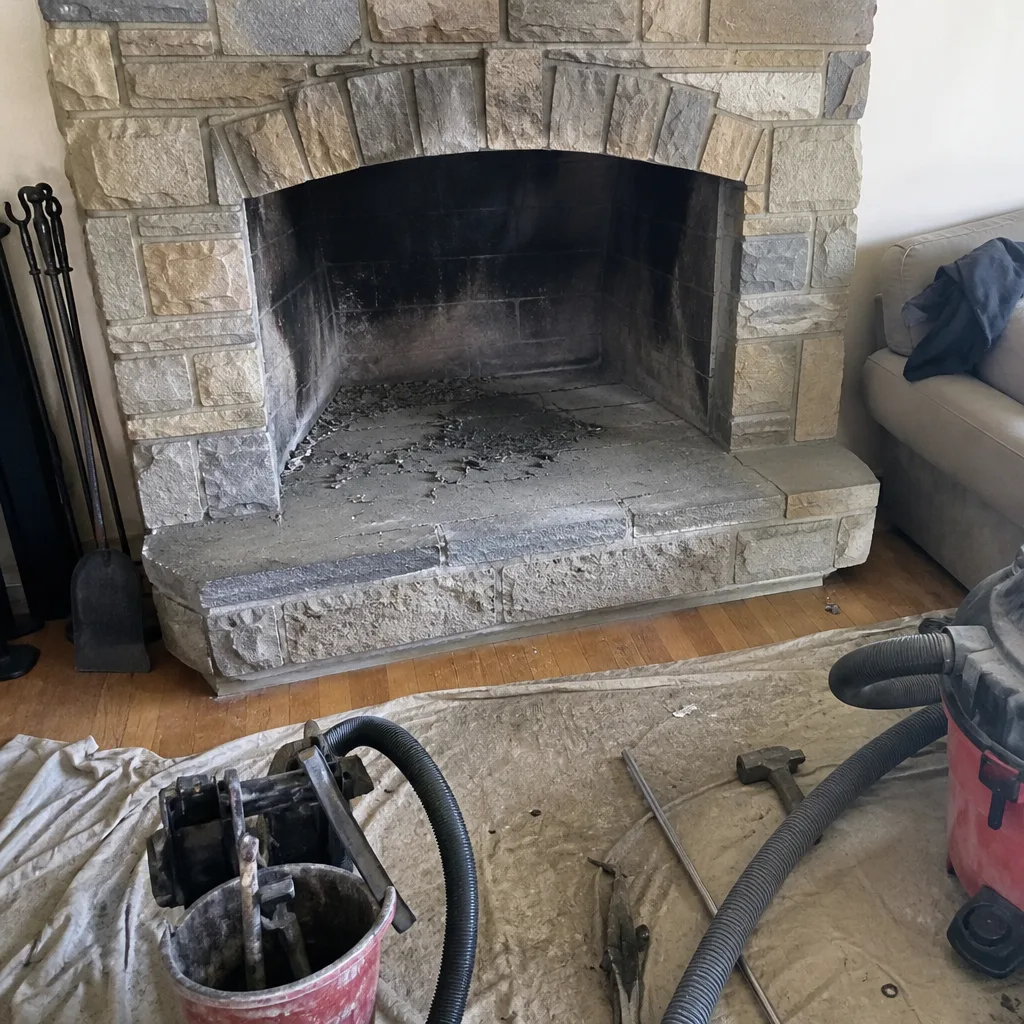 Before
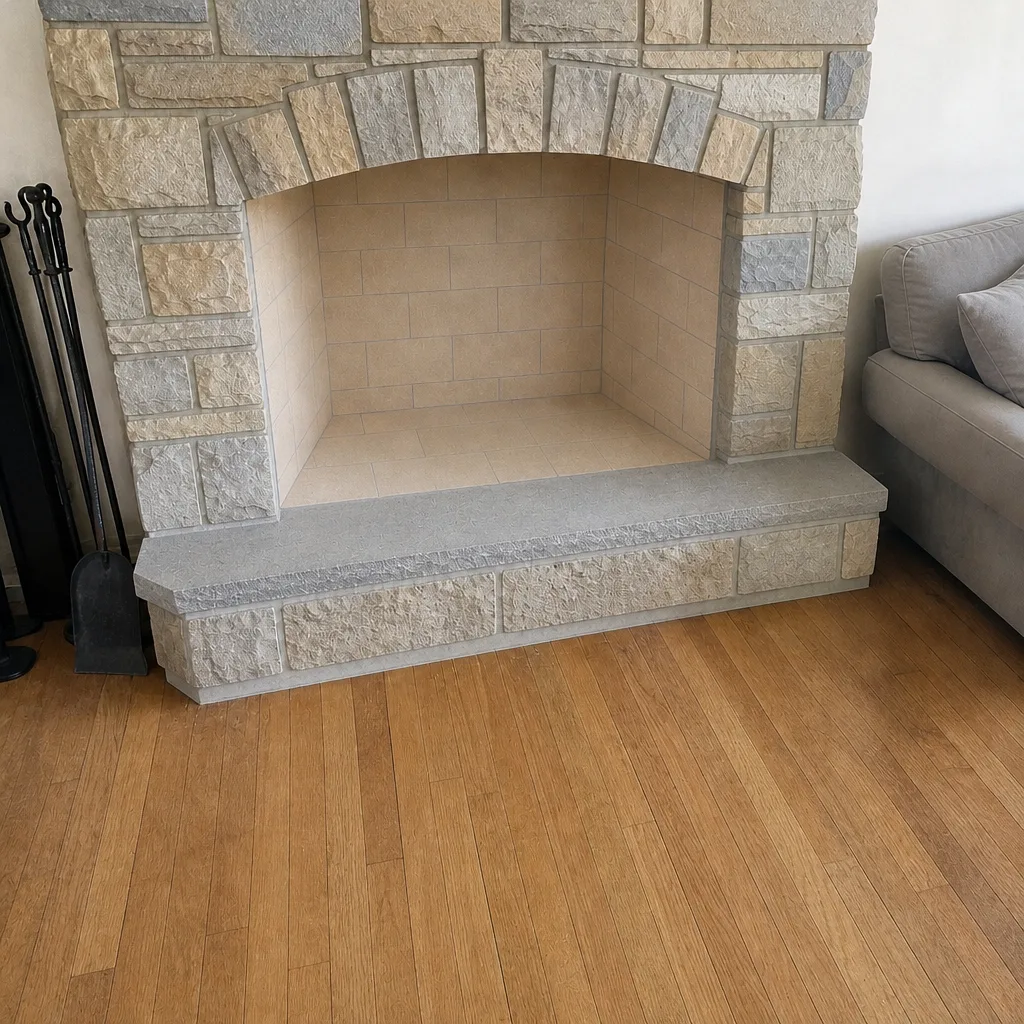 After
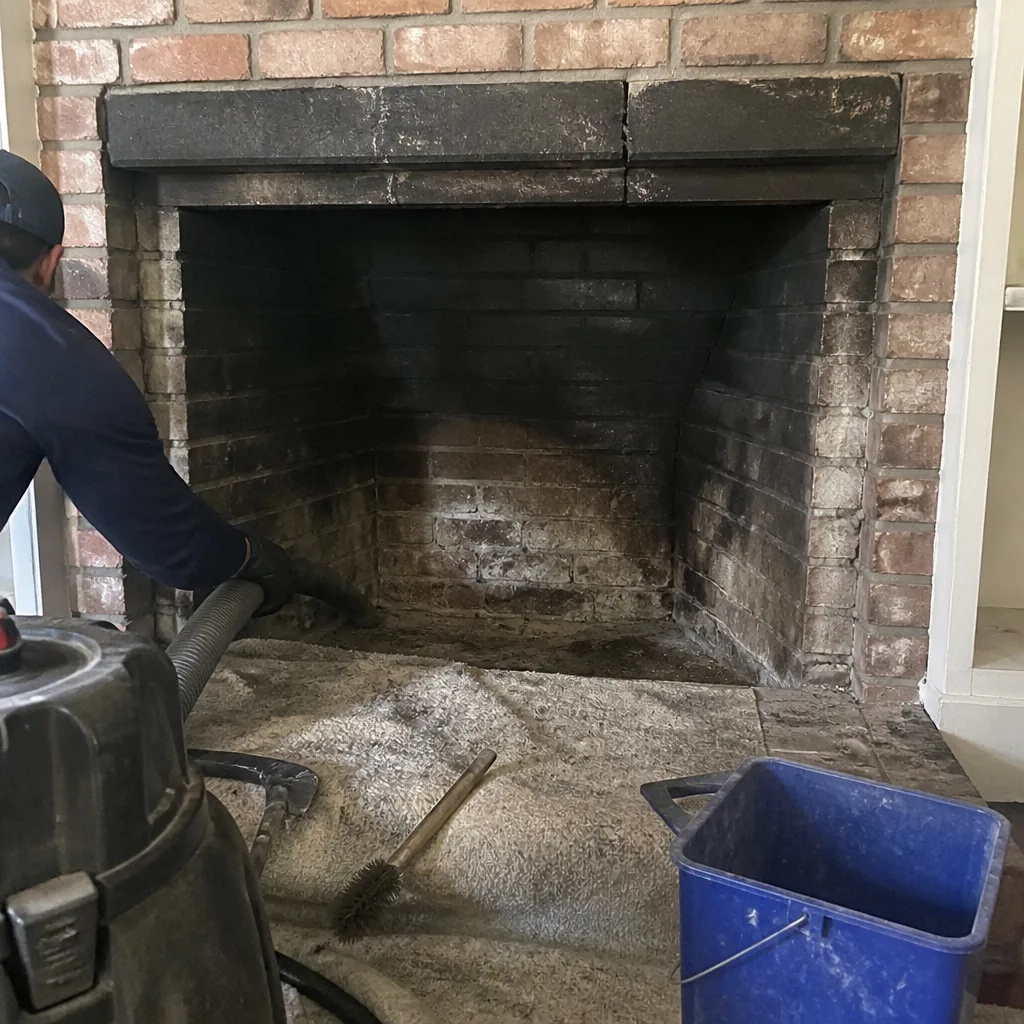 Before
 After
 Before
 After
When to Call a Professional
Some chimney work is genuinely a professional call, not a weekend project. If you’ve been told you need a liner replacement, a reline, or new flashing, that’s a licensed trade and a job that determines how safe your chimney is for years. If you’ve had a chimney fire, no matter how small, get the flue inspected before you light another fire. If you’re buying a home in Boise City and the inspection report flags the chimney, get a second look from a professional who can show you the camera evidence. And if you smell smoke in the house when the fire is burning, or the draft isn’t right, get it checked. None of that is a task to troubleshoot from a video.
For a routine sweep, ongoing wood-burning maintenance, or a gas flue check, an annual visit is the standard. Chimney Sweep Boise City offers free estimates in Boise City – call (833) 486-7115. We answer 24/7, with fast dispatch from 7am to 7pm, Sunday through Friday.
Frequently Asked Questions
The best brands are the ones professional chimney companies specify and can source through industry distribution channels: DuraFlex and Olympia Chimney for liners and caps, HeatShield for resurfacing, and Gelco, Famco, and Copperfield for caps, flashing, venting, and professional-grade supply. The answer isn’t a single brand – it’s whether the contractor names the brand and can explain why. Call (833) 486-7115 if you’d like to walk through what’s specified for your chimney.
Brand matters because chimney components fail over years, not on installation day, and the failure is driven by material quality. Alloy grade, weld quality, mortar rating, and installation requirements all determine how a part holds up under freeze-thaw cycling and flue gas heat. A cheap substitute can look identical on the quote and fail a few winters earlier. The brand is a proxy for whether the contractor is buying professional-grade inputs or cutting corners.
Ask three questions: which brand are you using, where do you buy it, and what manufacturer certification covers the installation? A contractor running a professional operation answers all three specifically. A contractor who hedges or names a retail store is a different operation. Get the answer in writing on the quote – the brand and product line should be named, not the category. Call (833) 486-7115 for an exact quote – estimates are free.
No. HeatShield is a professionally installed chimney resurfacing system applied by a trained installer to manufacturer specification; spray-on liner products sold to homeowners are a separate category and not equivalent. A HeatShield quote will name HeatShield and describe the process. A vague “we’ll spray the liner” line is a different thing entirely. If a quote doesn’t name the product, ask before you book.
For a household that burns wood regularly, an annual sweep is the standard rule. If the fireplace is used occasionally, or the chimney serves a gas appliance, the annual inspection is still the right baseline because condition problems don’t announce themselves. Boise City’s freeze-thaw winters make the annual check more valuable than it looks on paper. Call (833) 486-7115 to book a sweep and inspection – estimates are free.
Ask to see the camera evidence first. A liner replacement should follow a visible inspection finding, and a credible company will show you the condition on camera and explain why a reline is the right call versus a HeatShield resurfacing. If the recommendation doesn’t match what you see, ask for a second opinion before you commit. Call (833) 486-7115 – we can talk through what your chimney actually needs.
The Bottom Line
The brand of chimney materials a contractor installs tells you more about how they operate than any sales pitch. A company that specifies DuraFlex, HeatShield, Olympia Chimney, Gelco, Famco, and Copperfield is sourcing through professional channels and is comfortable with manufacturer accountability. A company that can’t name the brand on the quote is telling you something too. For Boise City homeowners, the practical takeaway is simple: ask the question before you book, get the brand on the receipt, and ask for the camera evidence on any repair recommendation. The materials matter because the winter will test them – and the brand on the invoice is the paper trail.
Written by the team at Chimney Sweep Boise City.