
Last updated November 15, 2026
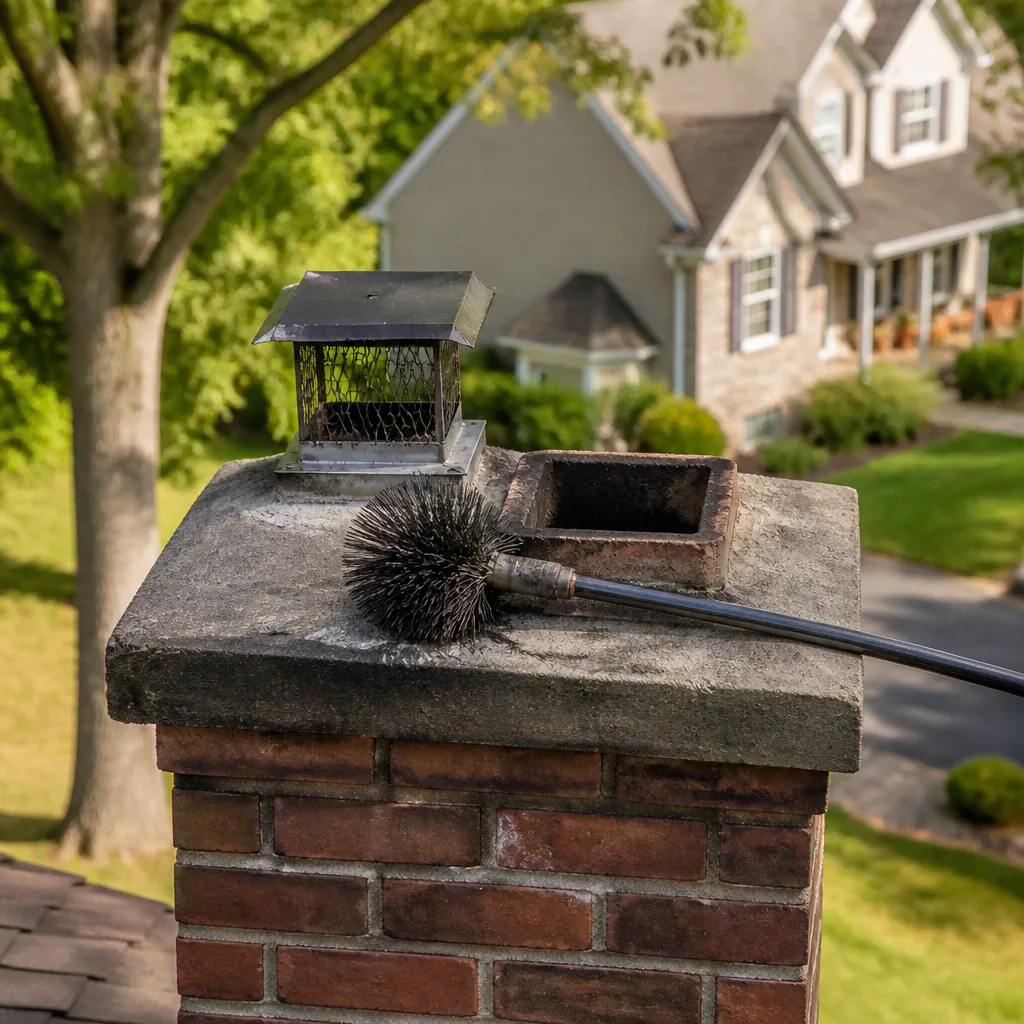 Sweep & inspection
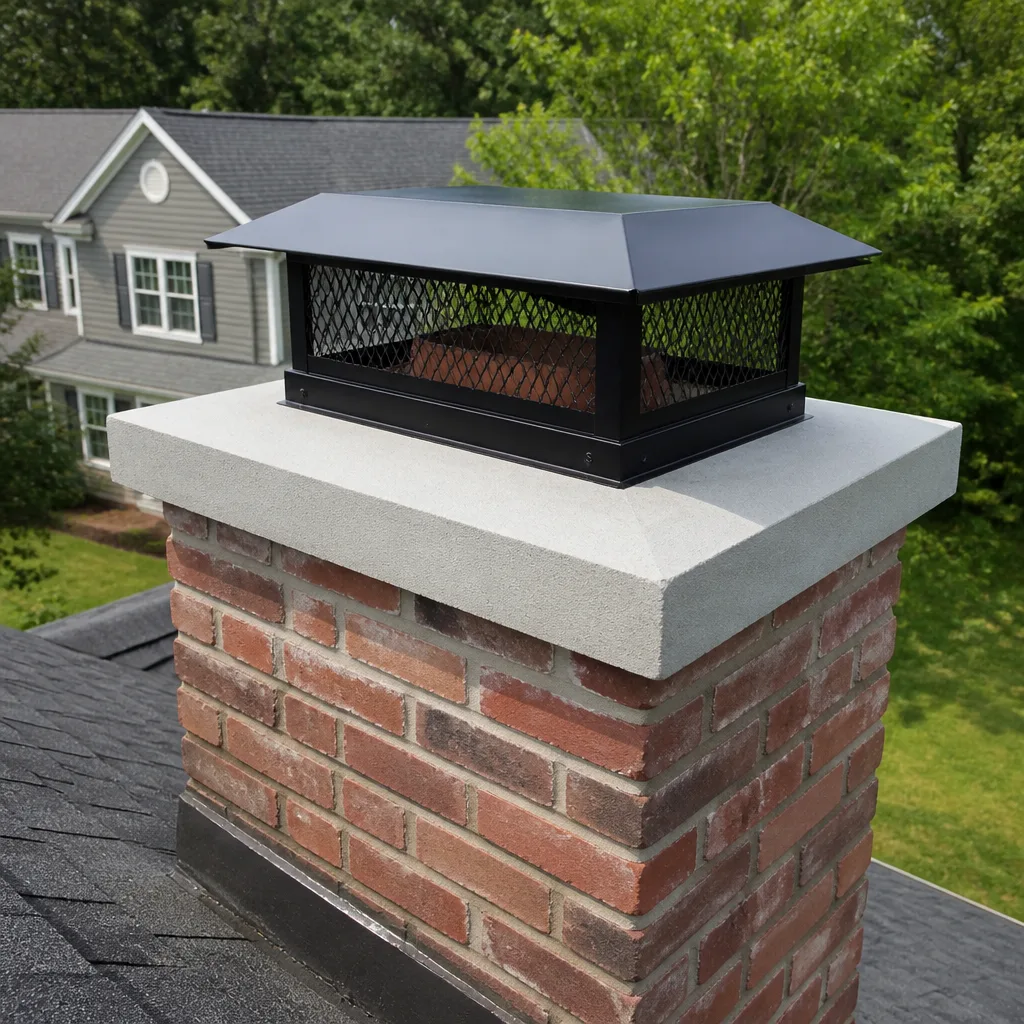 Caps & crowns
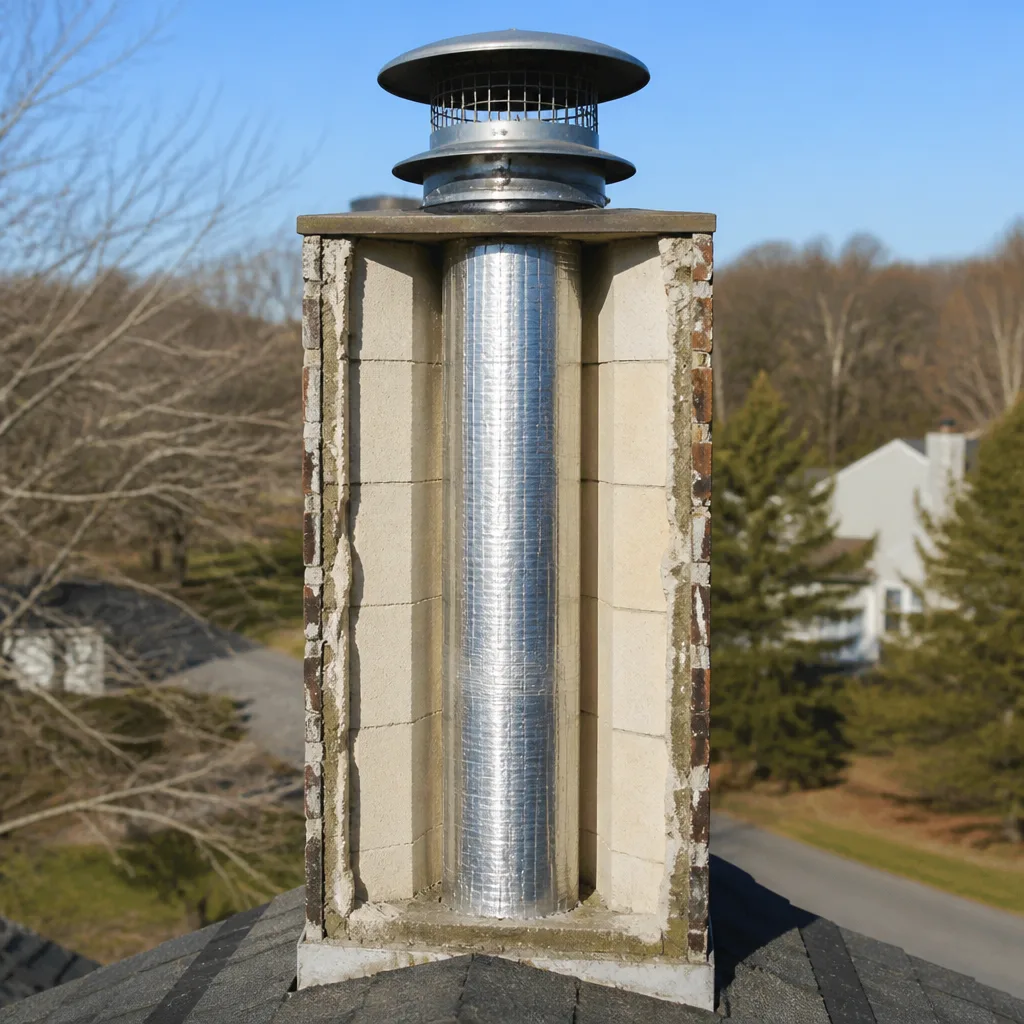 Flue relining
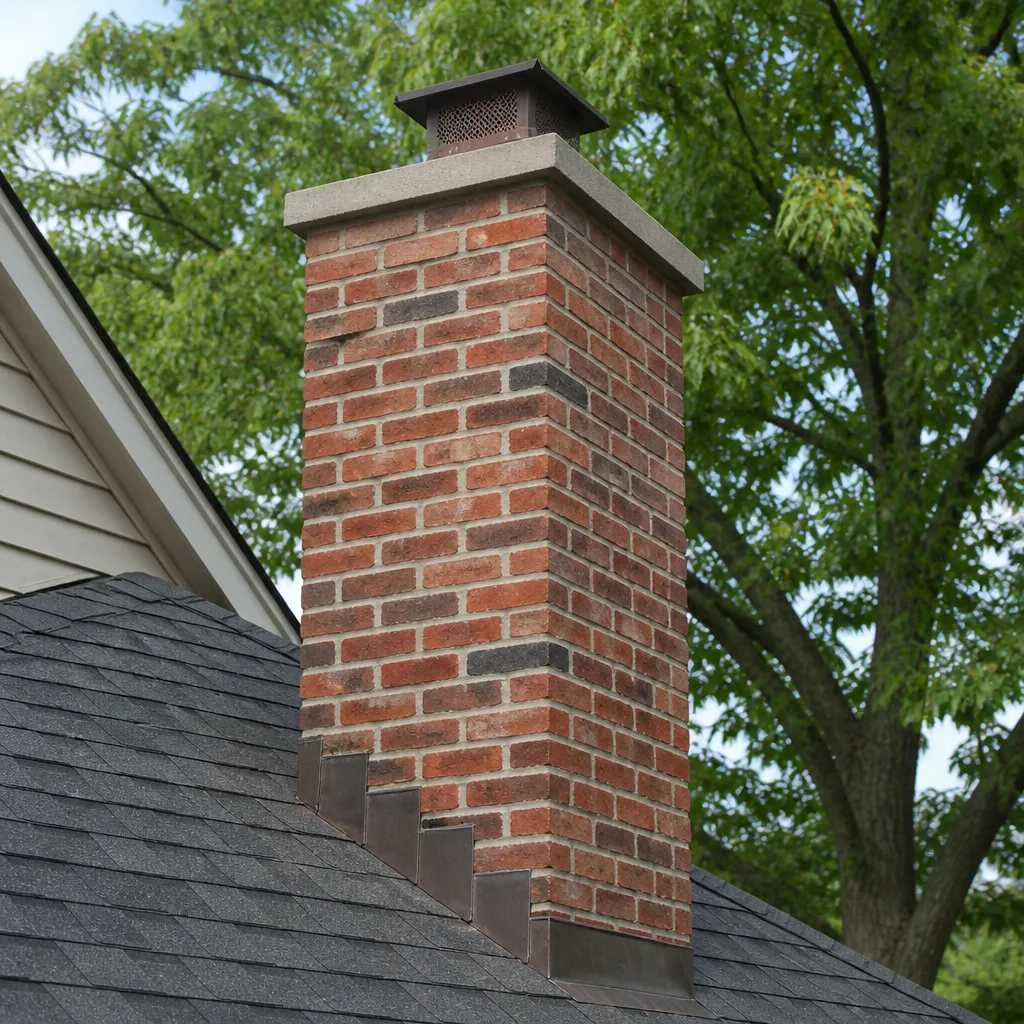 Masonry repair
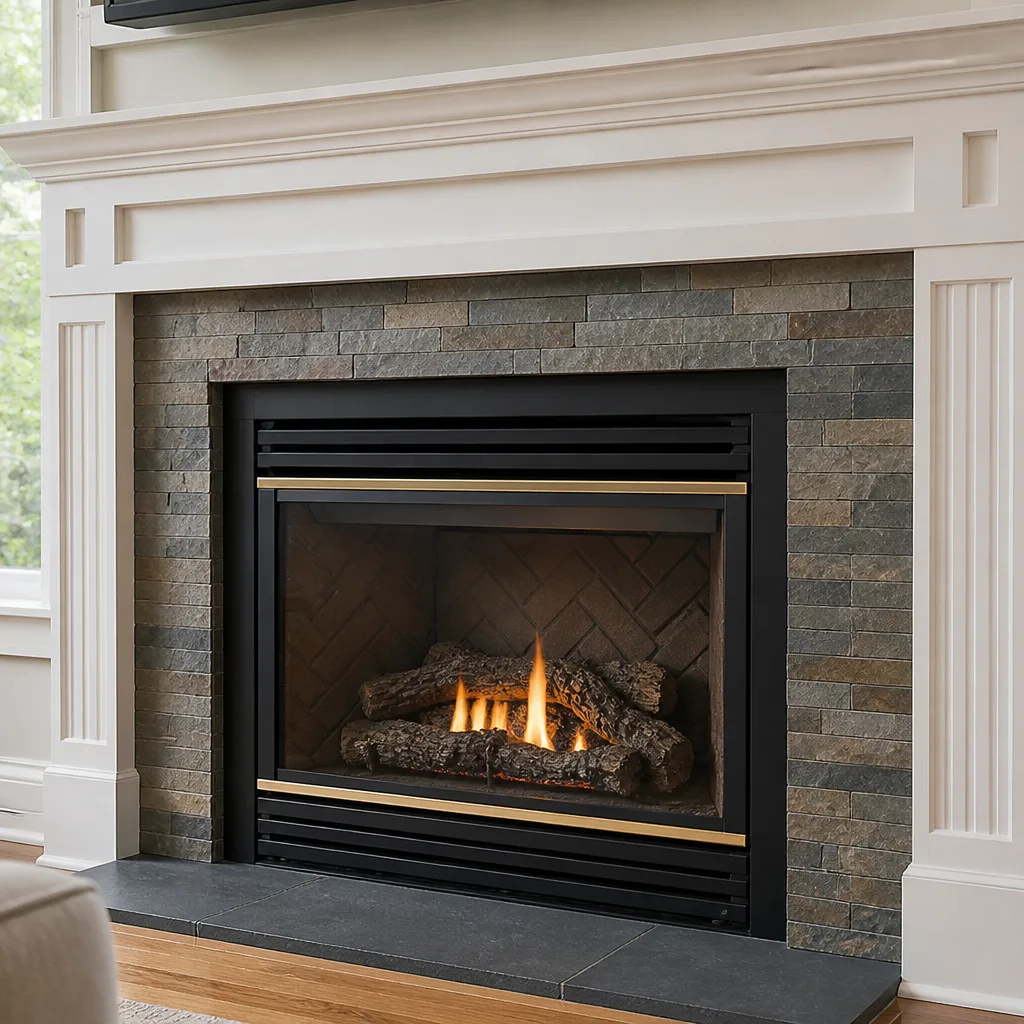 Gas fireplace service
Level 1 sweep and inspection to the NFPA 211 annual standard - flue, crown, cap, and flashing checked and photographed
Chimney sweep logs do not sweep chimneys. They loosen some creosote - which then falls where a brush and vacuum still have to collect it.
Chimney Sweep Troubleshooting in Boise City: Common Problems and How to Fix Them
If your fireplace smokes into the room whenever the wind swings around from the southwest, the flue is probably not the problem. In our experience, that pattern points to something most homeowners never suspect: the relationship between your chimney’s height and the rooflines and hills around it, set against the pressure patterns of high-desert country. Sweeping the flue won’t fix it, and neither will opening a window a crack every time you light a fire. Most chimney problems that feel mysterious in Boise City trace back to one of five diagnosable causes, not bad luck. This guide walks you through each symptom, what’s actually causing it, and whether it’s something you can address yourself or a job that needs professional-grade materials. By the end you’ll know exactly what to check before you pick up the phone.
Quick Answer
The most common chimney problems in Boise City are smoke backdraft, persistent odors, slow-drawing fires, fast creosote buildup, and water intrusion, and each has a specific mechanical cause rather than a random one. Most of these trace to pressure differentials created by high-desert elevation and prevailing winds, blockages or undersized flues, or gaps in the cap and flashing. Some you can troubleshoot yourself with a damper adjustment or a cap replacement; others require a certified inspection and liner work using materials like HeatShield resurfacing or a DuraFlex liner before the fireplace is safe to use again.
Styles & brands we work with
- Sweep & inspection
- Caps & crowns
- Flue relining
- Masonry repair
- Gas fireplace service
Table of Contents
- The Five Root Causes Behind Most Boise City Chimney Problems
- Why Smoke Comes Into the Room: Backdraft and Pressure
- Persistent Chimney Odors and What They Signal
- Slow-Drawing Fires and Undersized or Blocked Flues
- Fast Creosote Buildup and What It Means for Safety
- Water Stains, Rust, and Leaking Chimneys
- A Visual Checklist Before You Call a Sweep
- Three Symptoms That Mean Stop Using the Fireplace
The Five Root Causes Behind Most Boise City Chimney Problems
When a homeowner calls us about a chimney that “just isn’t working right,” the story usually sorts into one of five buckets. Recognizing which bucket you’re in saves time, money, and a lot of guessing.
- Pressure problems. The chimney draws air up and out only when the pressure inside the house is lower than at the top of the flue. Anything that upsets that balance, from a tight modern house to the wind coming over a nearby ridge, pushes smoke back down.
- Blockage or restriction. A flue that’s undersized for the firebox, partially blocked by a fallen liner tile, or filled with an animal nest can’t move enough air. The fire starves and the smoke has nowhere to go but into the room.
- Creosote and soot accumulation. The residue of every fire coats the flue interior. Past a certain thickness it restricts flow and becomes fuel.
- Water intrusion. Missing or failing caps, cracked crowns, and worn flashing let moisture in. Water rusts dampers, rots framing, and combines with creosote to produce a stubborn smell.
- Structural or liner failure. Cracked tiles, gaps at the mortar joints, and spalling brick allow smoke and heat to escape into the structure instead of up the flue.
Boise City’s high-desert setting makes the first cause more common here than in many other regions. The elevation is significant, the air is dry, and the prevailing winds sweep across open country and over rooftops with real force. That combination produces pressure swings that a structurally sound chimney can still struggle against. If you’ve ever had a fire burn perfectly on a still morning and smoke unpredictably the same evening, pressure is the usual explanation.
None of these five causes is random. Each leaves evidence, and a proper chimney sweep combined with an inspection will find it. That’s the core idea to hold onto as you read the rest of this guide: what feels like a mystery is almost always one of these five, doing exactly what physics says it should.
Why Smoke Comes Into the Room: Backdraft and Pressure
Smoke entering the room is a pressure problem first and a cleanliness problem second. The flue draws because warm air rises and because the chimney’s top is higher than the firebox. Anything that interrupts that rise pushes smoke outward instead of up. Wind is the most common interruption in Boise City, and its direction matters more than its speed.
Picture a chimney on the leeward side of a roofline while the wind comes across the ridge. The wind flows over the peak and creates a low-pressure pocket against the downwind slope. If your flue terminates inside that pocket, it sits in negative pressure and smoke from the firebox gets pulled into the room. This is why the problem shows up “every time the wind picks up from the southwest” but is invisible on calm days. The chimney itself may be perfectly clean and undamaged. The fix is usually geometric: the flue needs to terminate higher relative to the surrounding obstructions, or the cap needs a different profile so it doesn’t catch wind and force air back down.
House pressure adds a second layer. Modern homes in Boise City are tightly built, and exhaust fans, clothes dryers, and furnace flues all pull air out of the living space. That reduces the indoor air available to feed the chimney, and a negative-pressure house will backdraft a clean chimney every time. If you notice smoke coming in when the dryer runs or the kitchen fan is on, house pressure is at least part of the story.
What you can do yourself:
- Open a nearby window a couple of inches before lighting the fire and see if the smoking stops. If it does, pressure is confirmed as the culprit.
- Check that the damper opens fully and isn’t warped or jammed. A partly closed damper starves the fire.
- Crack the firebox door slightly during the first few minutes of a fire to help the flue warm and begin drawing.
What needs a professional: raising the flue termination, re-profiling or replacing a wind-catching cap, or correcting a liner that’s too short for the house. A proper cap from a brand like Gelco or Famco, sized to the flue, can make a real difference by shielding the opening from crosswinds without blocking the exhaust. If the chimney also shows signs of damage, that’s a chimney repair question rather than a cap swap.
Persistent Chimney Odors and What They Signal
A chimney that smells strongly when it isn’t in use is almost always telling you about moisture or creosote. The smell is a symptom, not a cause, and the fix follows from identifying which one. In Boise City’s dry climate you’d think odors would be rare, but summer monsoon humidity, water intrusion, and months of closed-up houses produce them just the same.
There are three common odor patterns:
- The damp, ashy smell that’s strongest on humid or rainy days. This points to moisture combining with creosote residue on the flue walls. Water intrusion through a failing crown, a missing cap, or worn flashing is usually behind it.
- The sharp, tar-like smell that gets worse in warm weather. That’s creosote off-gassing. The residue absorbs moisture and volatilizes when the weather warms, sending that smell into the living space.
- The smoky smell after rain or after a long period without a fire. Often pressure-related. A house that’s slightly negative draws air down the flue, carrying the smell with it.
Managing the smell without fixing the cause is temporary. A quick sweep can reduce creosote odor, but if water is getting in, the odor returns the next time it rains. If the smell is tied to humidity, the real work is finding and sealing the leak, then resurfacing any damaged flue interior. HeatShield is the resurfacing system we use for exactly this kind of repair, because it restores the flue’s smooth interior and its resistance to moisture without requiring a full liner replacement. That’s a repair most generalist sweeps can’t offer, and it’s often the difference between solving the odor and masking it.
What you can do yourself: keep the damper closed when the fireplace is out of use, verify the cap is intact, and check the firebox for any sign of dampness on the walls or floor. What needs a professional: locating and sealing a leak, resurfacing the flue, or diagnosing whether a persistent odor is a pressure problem rather than a moisture one.
Slow-Drawing Fires and Undersized or Blocked Flues
A fire that takes forever to catch, smolders no matter how much kindling you add, and produces more smoke than flame is a fire that isn’t getting air. The chimney is the engine of a fireplace, and a slow draw means the engine is being choked somewhere along the way. Boise City’s dry climate doesn’t change this, but the elevation can make the effect more pronounced, since thinner air at altitude carries less oxygen per cubic foot.
Work through the likely causes in order:
- Flue size mismatch. A flue that’s too large for the firebox cools the smoke too quickly, causing it to lose lift and stall. One that’s too small can’t carry the volume. Either way the fire suffers. This is a design issue that requires measurement, not a cleaning.
- Obstruction. Bird or squirrel nests, leaves, fallen liner tile fragments, and heavy soot buildup all restrict the flue. A camera inspection will find this quickly and show you the evidence.
- Cold flue. A flue that’s the same temperature as the outdoor air resists drawing at first. Warming it with a rolled newspaper torch before lighting the main fire helps. We’d never suggest anything more than that, and never indoors with anything other than a properly held torch.
- Insufficient combustion air. A tight house can’t feed the fire. Crack a window near the fireplace and see if the burn improves.
- Cap or screen restriction. A clogged spark screen blocks flow just as surely as a nest does.
If the fireplace has always drawn poorly, an undersized flue is likely. A properly specified liner, such as a DuraFlex flexible liner system sized to the appliance, corrects the relationship between the firebox and the flue rather than papering over it. If the fireplace used to draw fine and now doesn’t, obstruction is the likelier answer. Either way, a camera inspection tells you which you’re dealing with before anyone touches the chimney.
Fast Creosote Buildup and What It Means for Safety
Creosote is the unavoidable byproduct of burning wood. It forms as a mix of soot, ash, and condensed wood tar on the flue walls. The question isn’t whether it forms but how fast and how thick. In a well-run fireplace, it builds slowly. In a poorly run one, it can accumulate enough to matter in a single season.
Creosote builds faster when:
- Wood is unseasoned or wet. Damp wood burns cool and smolders, producing more tar.
- The fire is routinely burned low and slow, with the damper choked down. Long smoldering fires load the flue.
- The flue runs cool, either because it’s oversized or because it’s on an exterior wall.
- Fires are relit without allowing the flue to warm properly.
Thick creosote is the fuel source for a chimney fire. We won’t scare-sell you about it, but we will be direct: creosote is the reason chimneys are swept. A layer thick enough to see and crusty enough to flake is a reason to stop using the fireplace until it’s cleaned. A glazed, tar-like coating is the stage that most often precedes a chimney fire, and it needs a professional sweep rather than a homeowner’s brush.
What you can do yourself: burn only dry, seasoned wood, keep fires burning cleanly rather than smoldering, and check the flue yearly by looking up from the firebox with a light (though the bottom few feet won’t show you the whole picture). What needs a professional: at minimum, a yearly sweep. Any glazed or heavy creosote calls for a camera inspection and often a resurfacing or liner decision. Our technicians have up to 8 years of experience reading exactly these stages.
Water Stains, Rust, and Leaking Chimneys
Water damage is the quiet problem that shortens a chimney’s life more than fire does. A chimney is a masonry column exposed to weather on all four sides and a top, and every one of those surfaces has seams. In Boise City, with hard freezes in winter and sudden thaws in spring, water that gets into masonry expands as it freezes and spalls the brick from the inside. What you see as water stains on the ceiling or rust on the firebox is the visible end of a leak that started higher up.
Where water gets in:
- The crown. The concrete slab on top of the chimney cracks with age and thermal cycling. Every crack is an entry point.
- Flashing. The metal at the roofline where the chimney meets the roof can pull loose or corrode over time.
- The cap. A missing or damaged cap lets rain fall straight down the flue.
- Cracked or spalling masonry. Water that reaches the brick face finds the weakest mortar joint and moves inward.
- Liner gaps. Cracked tiles or a failed liner allow moisture into the space between the flue and the surrounding masonry.
Fixing water damage starts with identifying the entry point. A camera inspection from inside the flue and a visual inspection of the roofline usually locates it. Repair follows the source: a new crown, re-flashing, a properly fitted cap, or a liner repair. If the flue interior has been water-damaged long enough to spall, resurfacing with HeatShield restores the surface and the draft. For chases and exterior flues, an Olympia Chimney liner system often gives the best long-term answer, and these are the materials that hold up where bargain substitutes don’t.
A Visual Checklist Before You Call a Sweep
A few minutes of looking before you call will make the conversation faster and the diagnosis more accurate. You don’t need to climb the roof; leave that to a professional, since falls are the most common chimney injury. What follows is safe to do at floor level.
Inside the firebox
- Look for cracked or missing firebrick, loose mortar at the joints, and any signs of spalling.
- Shine a flashlight up at the damper and the smoke shelf above it. Check for soot, cobwebs, or debris.
- Look for rust streaks, white mineral staining, or damp patches, all signs of water.
- Smell the firebox with the fireplace cold. A sharp tar smell means creosote; a damp ashy smell means moisture.
At the damper
- Open and close it fully. It should move without sticking and seal closed.
- Look for warping or a gap when it’s closed. A damper that won’t seal is an energy loss and a pressure problem.
- With the damper open, hold a lit match or a smoke pencil near the firebox opening and see if the smoke draws up. Weak or reversed draw confirms a pressure issue.
On the roofline (from the ground with binoculars)
- Check that the cap is present, intact, and correctly sized.
- Look at the crown for visible cracks and at the flashing for loose edges.
- Note whether the chimney is shorter than nearby peaks, ridges, or trees. If it is, height is a likely part of the backdraft story.
- Look for staining on the exterior brick or white efflorescence, both signs of moisture.
If you check these and find nothing, but the fireplace still behaves strangely, that’s not a sign to stop looking. It’s a sign the problem is inside the flue or in the pressure relationship around the house, and a proper inspection is the next step. A Chimney Sweep Boise City inspection includes a camera run and a photo report you can see for yourself, so nothing is recommended without visible evidence.
Three Symptoms That Mean Stop Using the Fireplace
Some symptoms are an inconvenience. A few are a reason to stop lighting fires and call for a certified inspection before you use the fireplace again. These aren’t scare tactics; they’re the situations where the risk of continuing outweighs the inconvenience of waiting.
- Any evidence of a chimney fire. That means a loud roaring sound, a pop or vibration, visible flames or sparks at the top, a strong hot smell, or puffs of smoke coming from cracks in the masonry. A chimney fire can do structural damage that isn’t visible from the room. Have the flue inspected before the next fire.
- Smoke or combustion gases entering the living space with the damper open. A little spill during lighting is normal. Persistent smoke in the room, or any sign of carbon monoxide (headaches, dizziness, a CO alarm), means the chimney isn’t venting safely. Get everyone out, ventilate, and call for an inspection before lighting again.
- Cracked or damaged flue tiles, or visible gaps in the liner. Smoke and heat can escape through a broken flue into the walls and framing. A camera inspection is the only reliable way to know the extent. Do not relight until it’s been looked at.
Each of these calls for an inspection by a trained professional, and often a repair using a proper liner system. The cost of an inspection is small compared to the cost of a fire that starts inside a wall. We’d say the same thing to a neighbor. If the answer is “nothing’s wrong,” you’ll know for certain and can get back to burning with confidence.
Common Mistakes to Avoid
- Blaming the sweep for a pressure problem. A homeowner who’s had the flue cleaned twice in a season, yet still gets smoke in the room, often concludes the sweep missed something. In our experience the sweep did its job; the real cause is wind and pressure, and no amount of cleaning fixes a geometry problem.
- Burning unseasoned wood to “use it up.” Wet wood smolders and loads the flue with creosote. In Boise City’s dry climate, wood dries well if it’s stacked with air gaps and covered on top, but it needs time. Wait for it.
- Sealing a chimney leak with caulk or sealant from the ground up. The entry point is almost never where the stain appears. Fixing water at the ceiling without finding the roof-level source just moves the damage.
- Taking a “the chimney’s clean, so it’s safe” shortcut. A clean flue can hide cracked tiles and failed joints. Sweeping removes creosote; it doesn’t assess structure. You need both.
- Hiring the cheapest bid on a liner job without asking what material will be used. Bargain liners use generic flexible pipe that may not meet the spec for the appliance. Professional-grade systems like DuraFlex and Olympia Chimney exist precisely because the cheap ones fail.
- Putting off the inspection because the fire “works fine.” Many of the worst problems in Boise City chimneys are quiet for a long time. The fireplace drafts, the smell is mild, the water stain is small, until it isn’t.
- Trying to fix pressure by opening windows every time you light a fire. It’s a useful test, not a solution. If it works, you’ve diagnosed the issue. Now get it corrected properly.
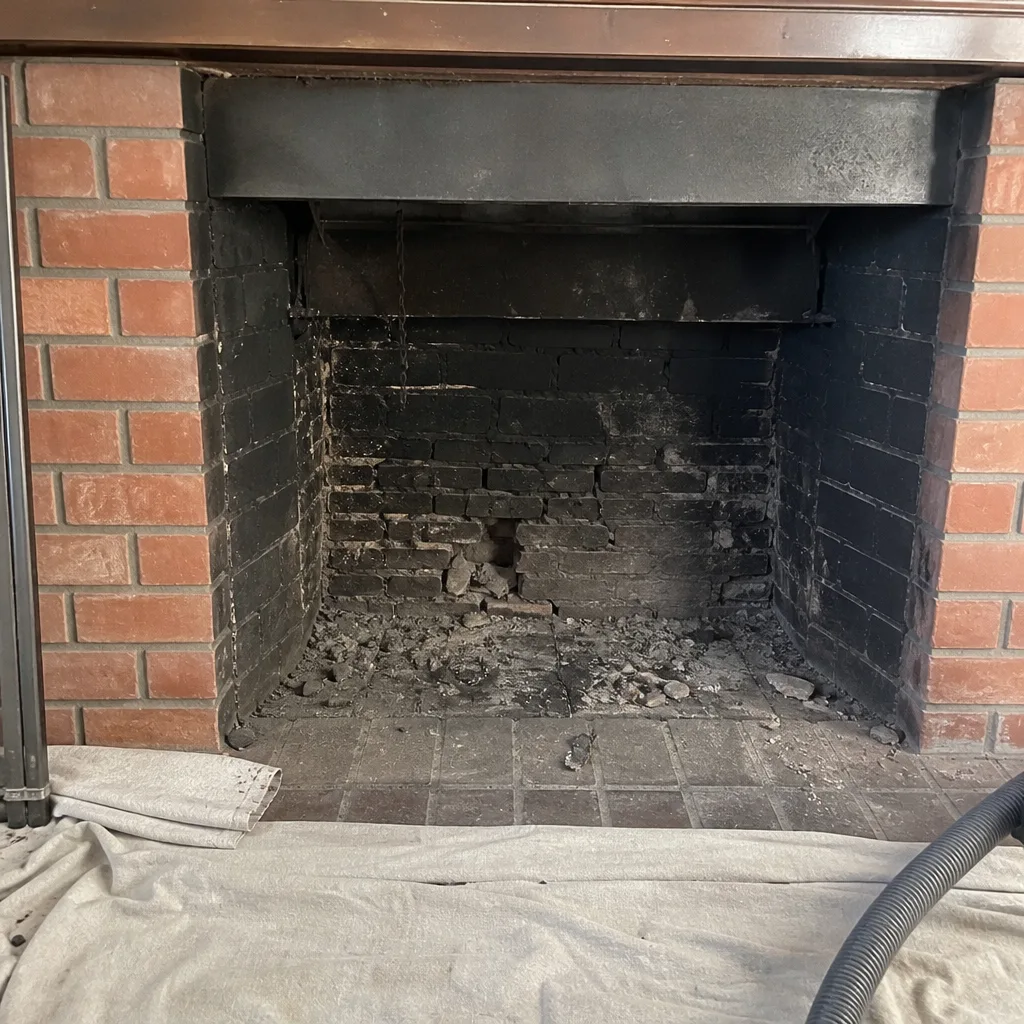
See the difference
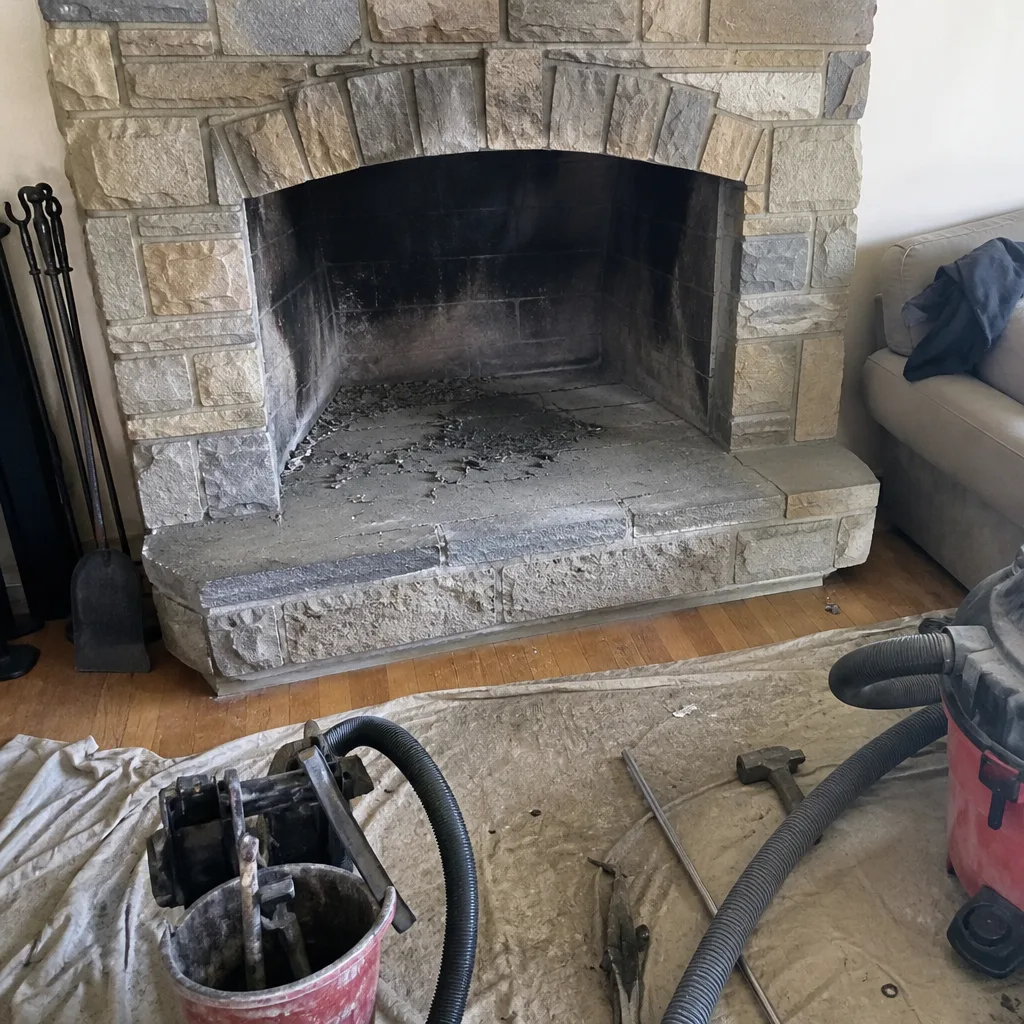 Before
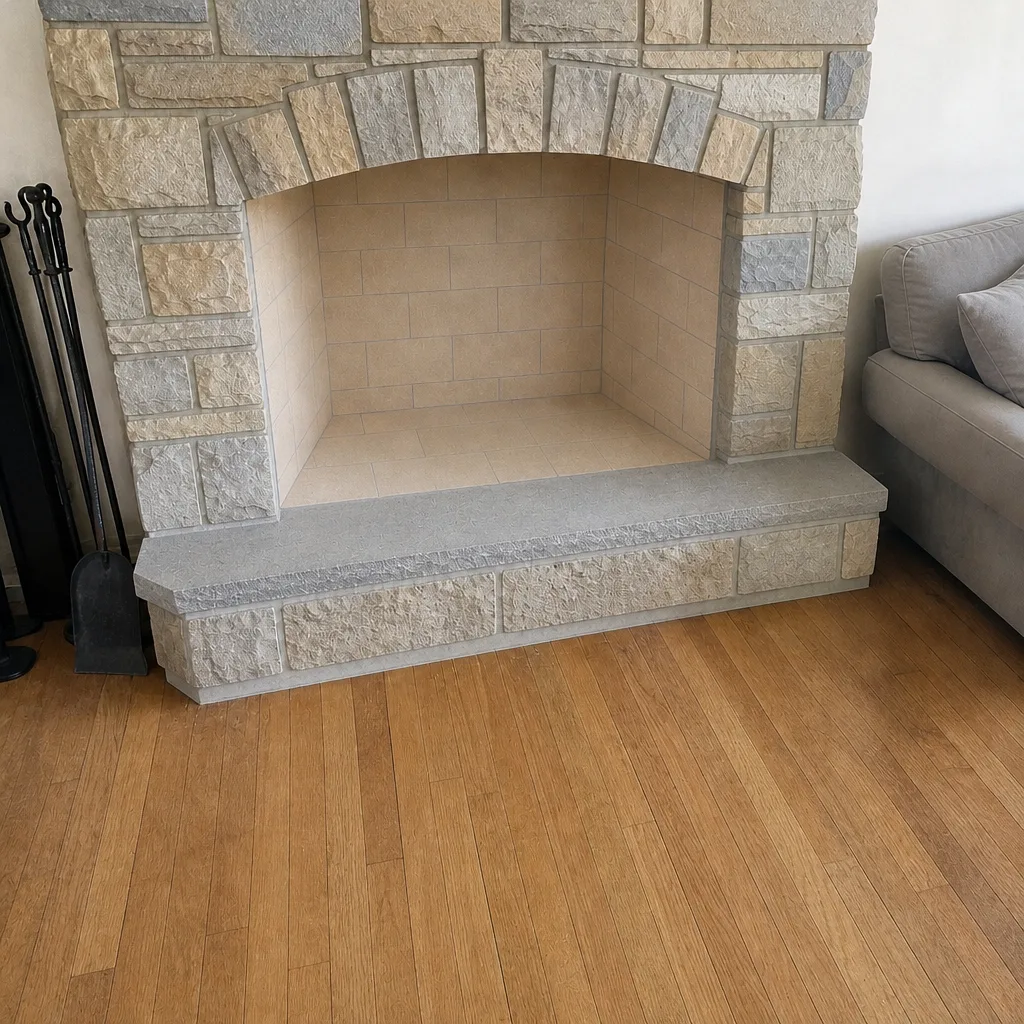 After
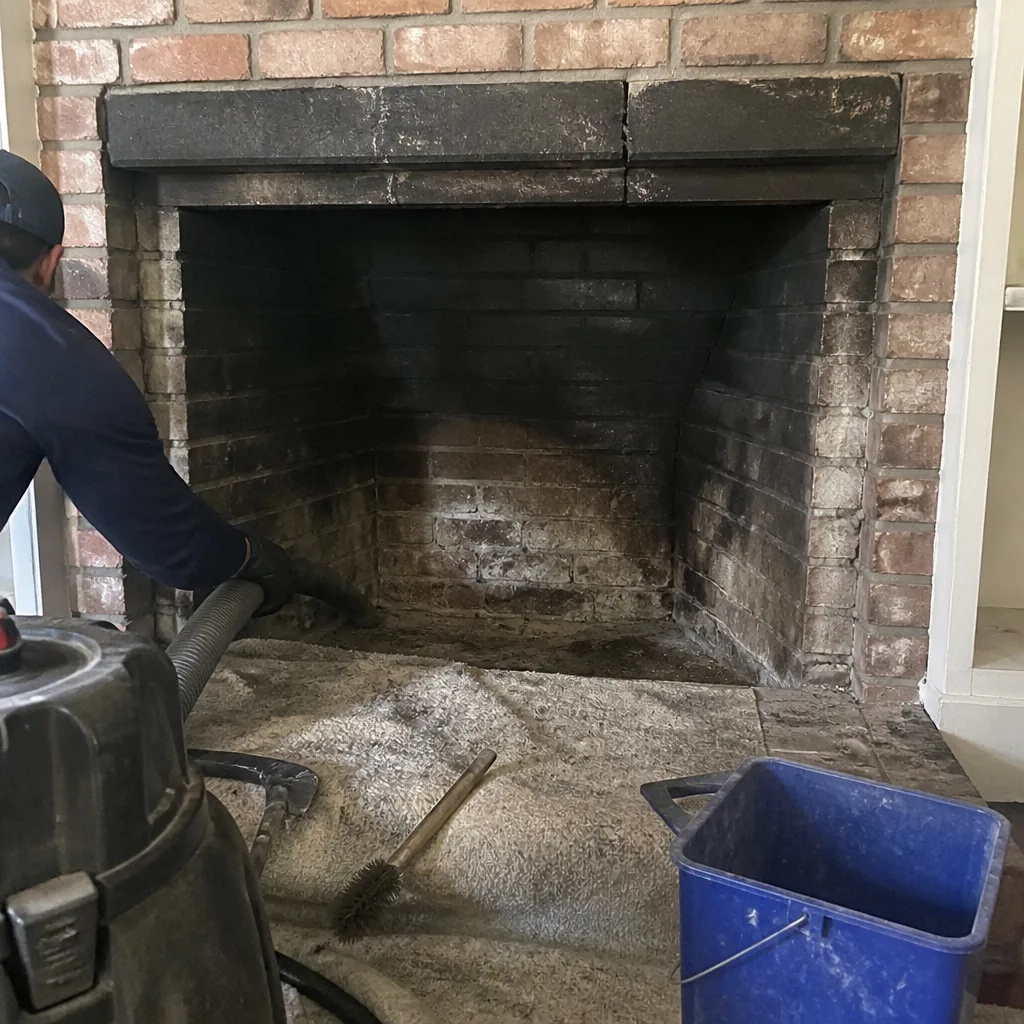 Before
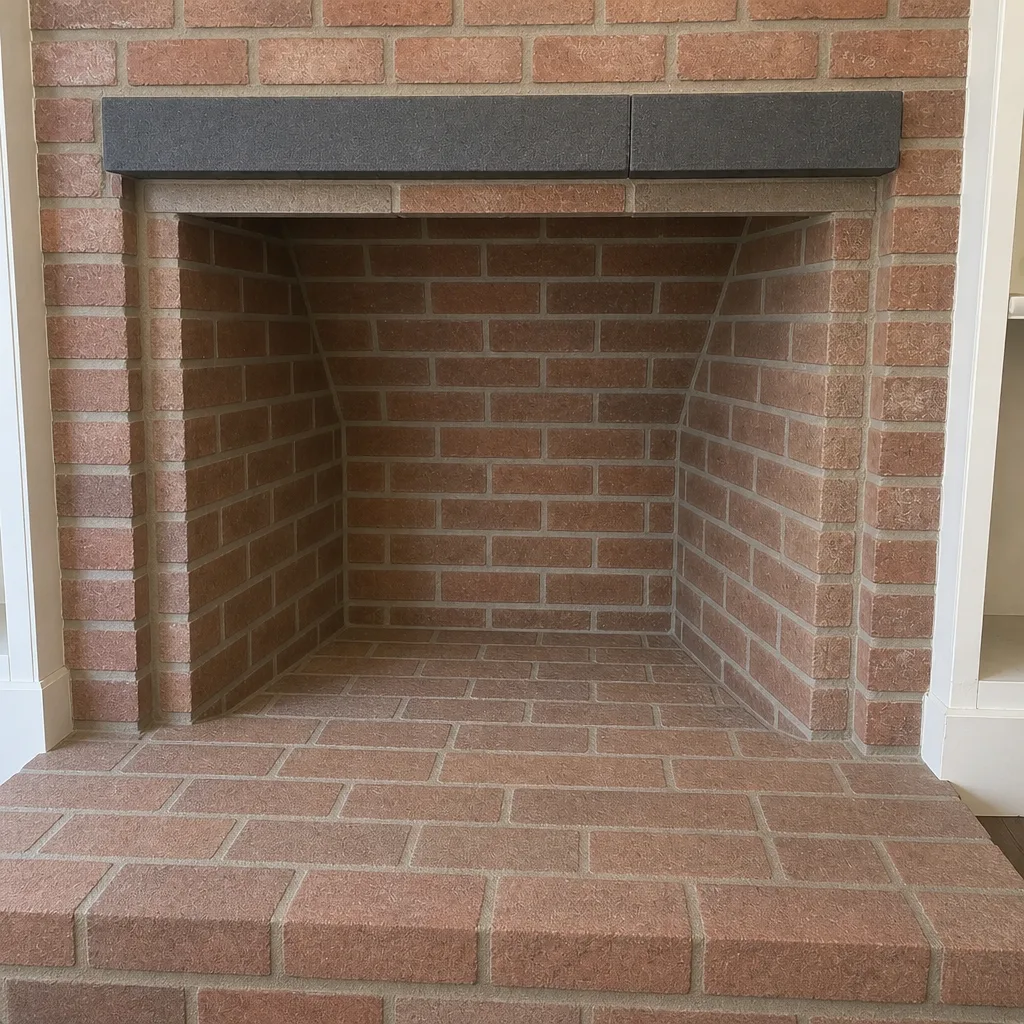 After
 Before
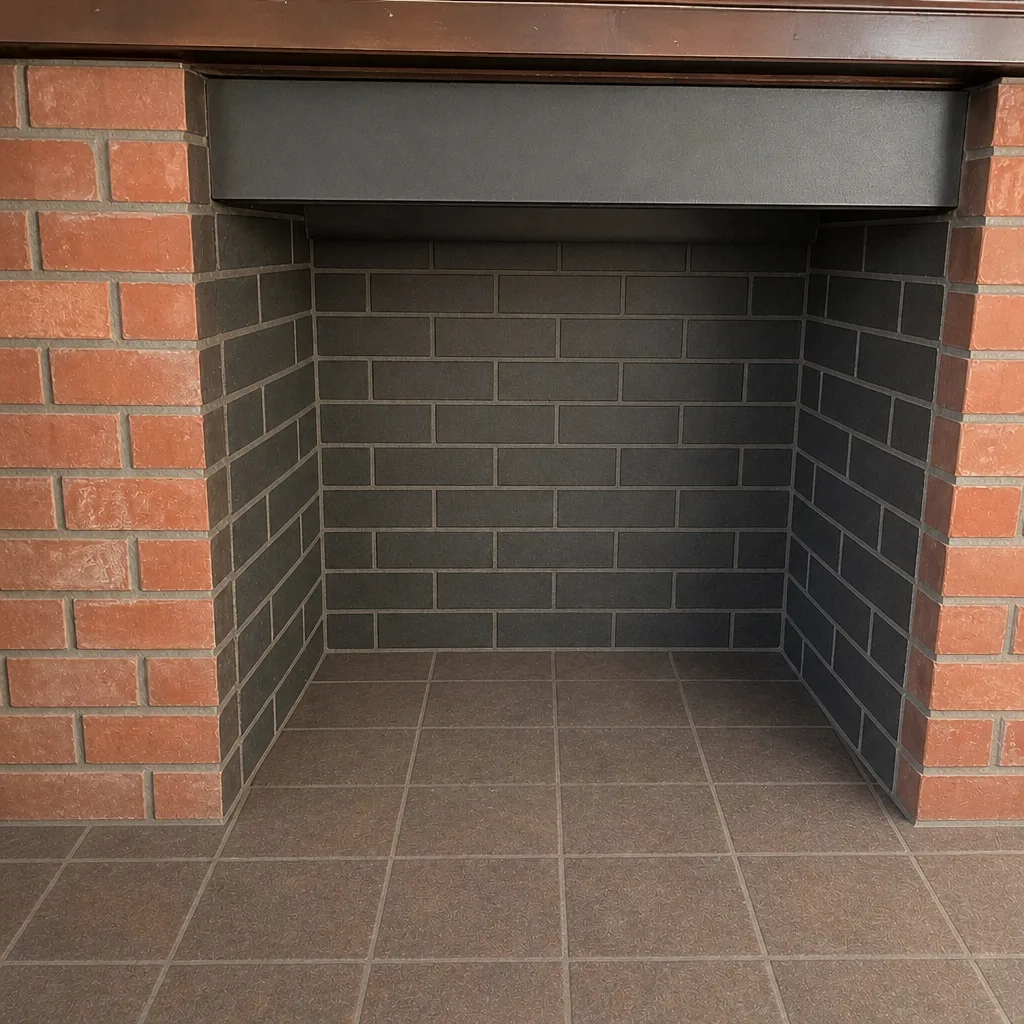 After
When to Call a Professional
Chimney work is one of the few home trades where a misstep can cost you the house. Call us when any of the following describes your situation. You’ve had a chimney fire, or the chimney shows cracks or smoke escapes where it shouldn’t. Smoke or carbon monoxide is entering the living space. You smell creosote or dampness and the smell returns after cleaning. Your fire has always drafted poorly, or it used to work and has stopped. You’ve had water stains, rust, or spalling and can’t find the entry point. You’re a new homeowner who doesn’t know the last time the flue was inspected. Or you’ve been told by a home inspector that your chimney needs work and you want a second opinion with camera evidence you can see. Chimney Sweep Boise City offers free estimates in Boise City at (833) 486-7115, and every recommendation comes with photos and a plain explanation of what’s needed, what can wait, and why.
Frequently Asked Questions
Smoke backdraft in Boise City is usually a pressure problem rather than a blocked flue. High-desert elevation, prevailing winds, and tightly built houses create pressure differences that can pull smoke down a structurally sound chimney. A window cracked nearby, a fully open damper, and a warmed flue help; a camera inspection finds the cause. Call (833) 486-7115 for a free estimate.
We recommend a sweep once a year for most wood-burning fireplaces, and more often if you burn frequently or smell creosote. Gas and oil flues should be inspected yearly even though they build less creosote. An annual sweep and inspection together catch what either alone misses. Call (833) 486-7115 to book yours.
You need a new liner if a camera inspection shows cracked tiles, gaps in the flue joints, or damage from a chimney fire; if the flue is undersized for your firebox; or if water has spalled the interior. You don’t need one if the flue is sound, and you should never be told so without seeing the evidence. Call (833) 486-7115 for an inspection with a photo report before agreeing to any liner work.
Chimney odor when the fireplace is cold usually means moisture in the creosote, a leak letting water in, or a slight negative pressure pulling air down the flue. The fix depends on the source: a sweep for creosote, a leak repair for water, or a pressure correction. Call (833) 486-7115 and we’ll find out which.
Signs of a chimney fire include a loud roaring or popping sound, visible flames or sparks at the top, a very hot smell, or puffs of smoke from cracks in the masonry. Sometimes there’s no obvious sign at all, which is why a camera inspection is the only reliable check after one is suspected. Call (833) 486-7115 before lighting another fire.
Yes. A properly fitted cap keeps out rain, birds, and squirrels, reduces water intrusion, and can help with wind-driven backdraft. A Gelco or Famco cap sized to your flue is a small cost that prevents larger repairs. Call (833) 486-7115 for a free estimate on a cap for your Boise City home.
The Bottom Line
Most chimney trouble that feels mysterious in Boise City resolves to one of five causes: pressure, blockage, creosote, water, or structural failure. The way to know which is to look, with a camera and a trained eye, rather than guess. Some fixes are simple, like a properly sized cap or a damper adjustment. Others, like liner resurfacing with HeatShield or a full DuraFlex liner replacement, need professional-grade materials and a certification-level eye on the job. Either way, the answer is the same: get it inspected, see the evidence, and act on what’s actually there. Three symptoms, chimney fire, smoke or gas entering the room, and cracked flue tiles, mean stop using the fireplace until it’s been checked. Our technicians have up to 8 years of experience, and we specify the brands chimney professionals rely on because that’s what the job demands. We answer 24/7, with fast dispatch from 7am to 7pm, Sunday through Friday. If your chimney is behaving oddly, call (833) 486-7115 for a free estimate and start from a clear diagnosis.
Written by the team at Chimney Sweep Boise City.