
Last updated November 15, 2026
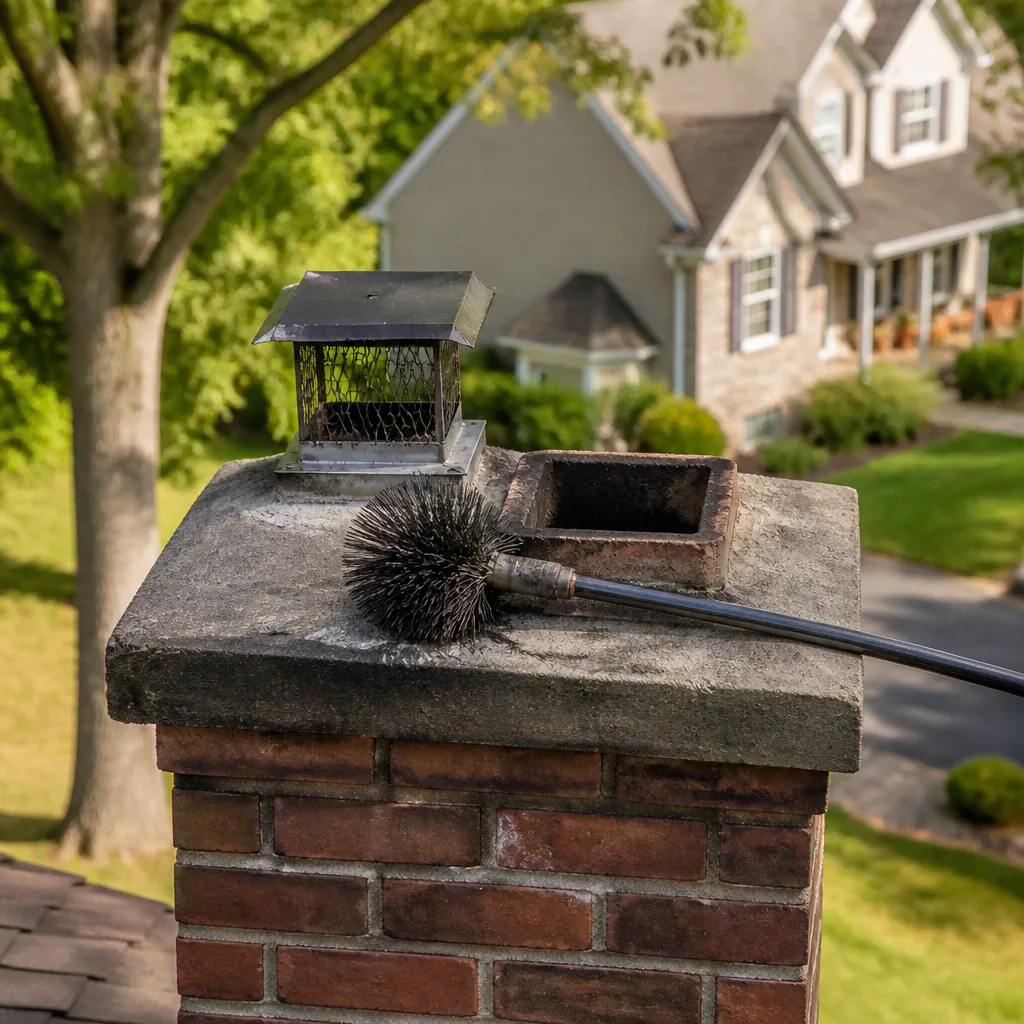 Sweep & inspection
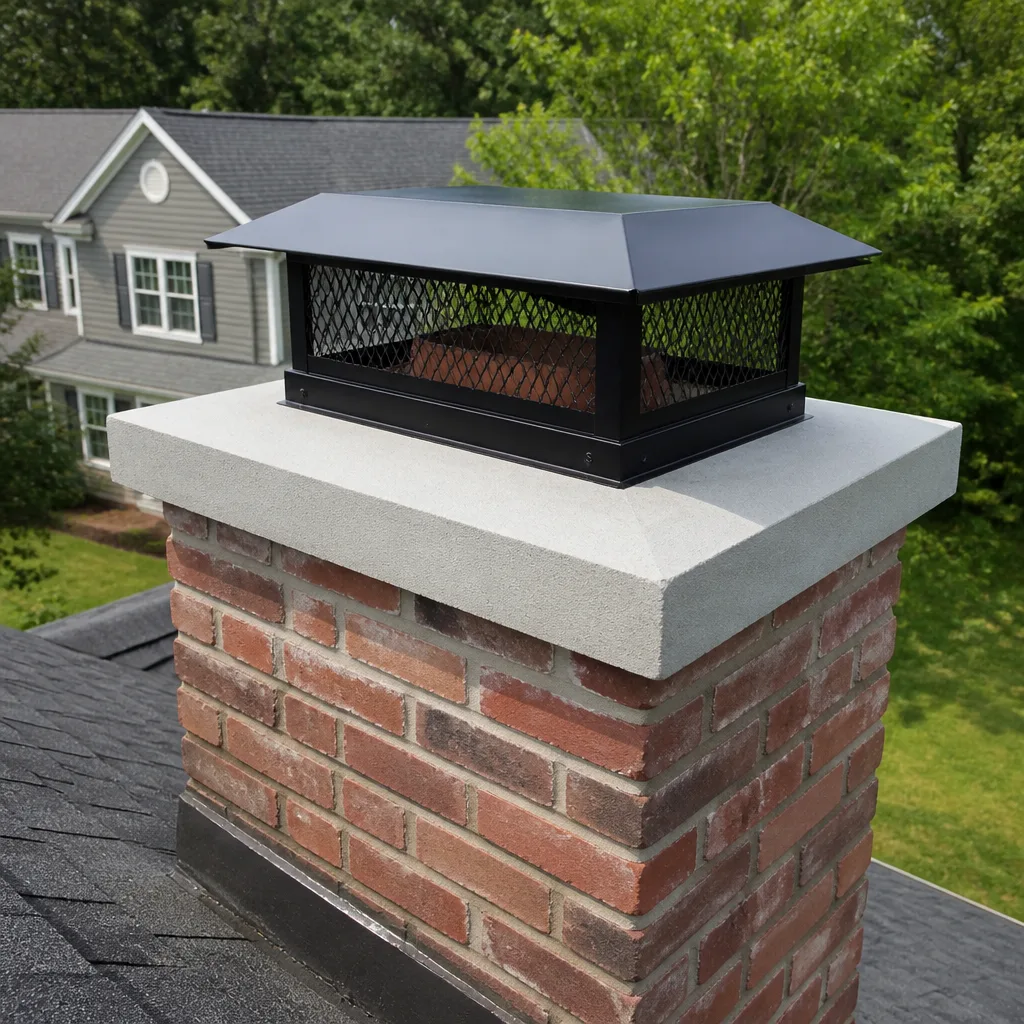 Caps & crowns
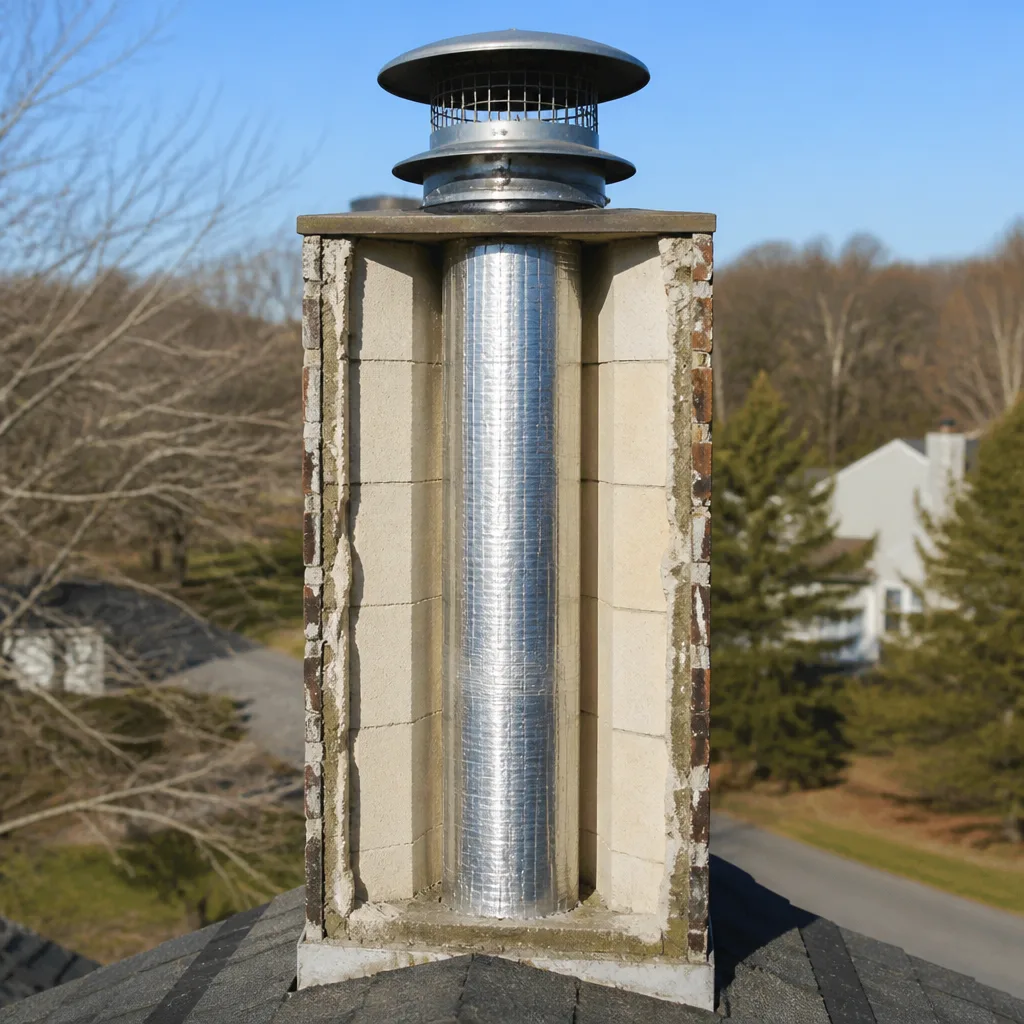 Flue relining
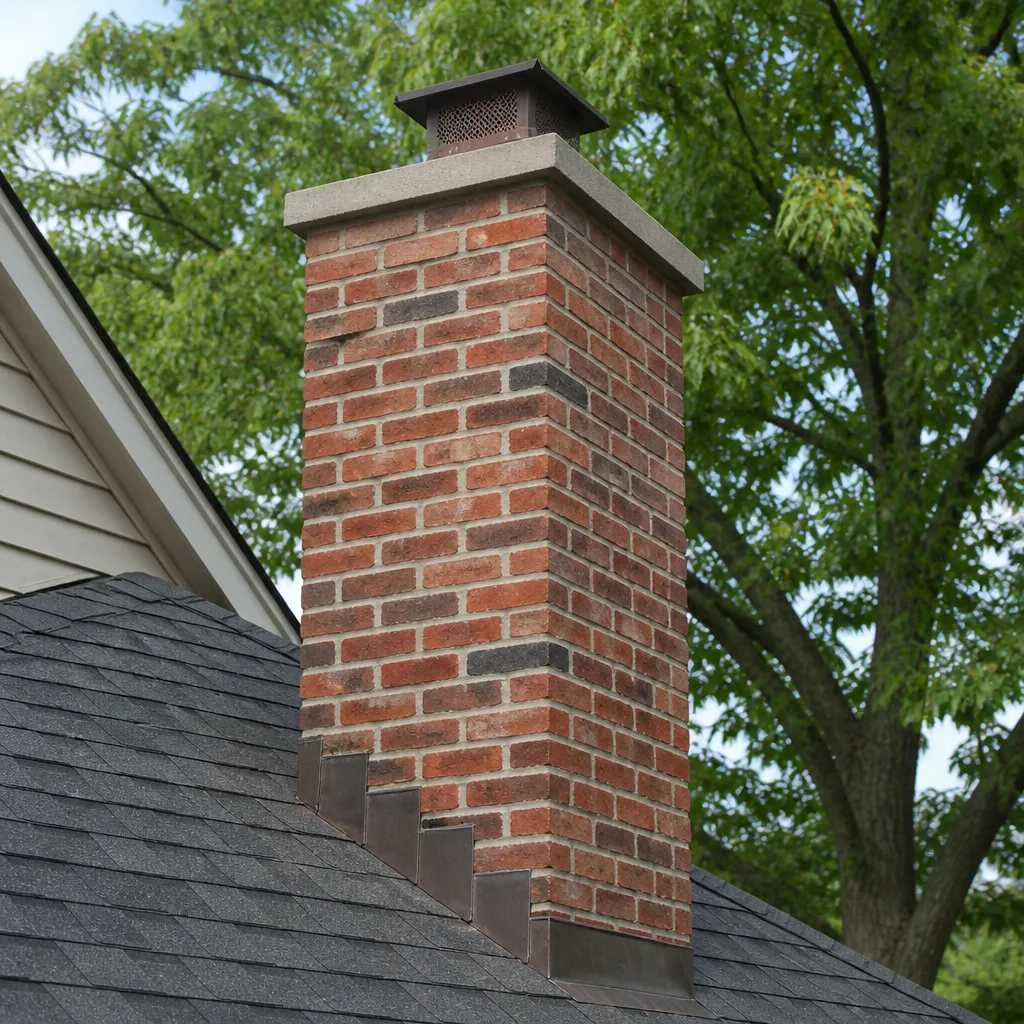 Masonry repair
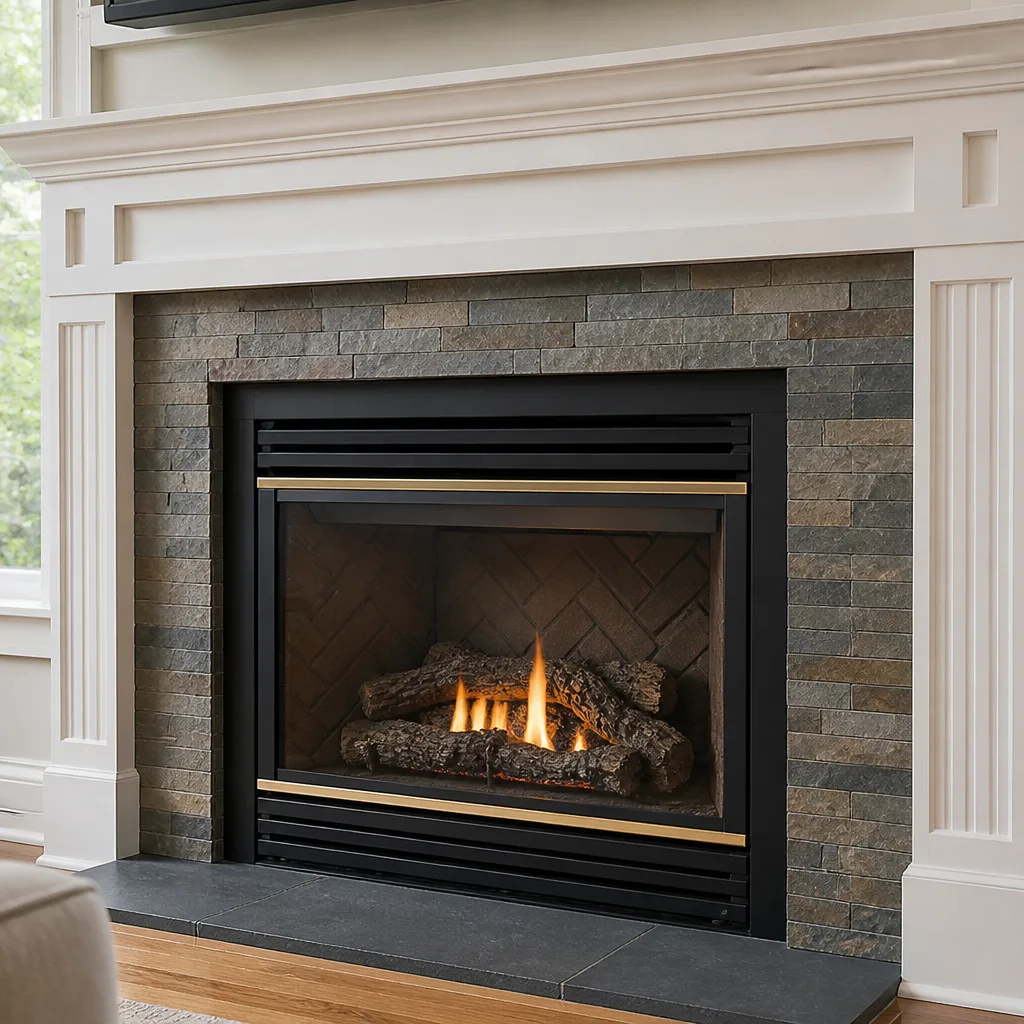 Gas fireplace service
Level 1 sweep and inspection to the NFPA 211 annual standard - flue, crown, cap, and flashing checked and photographed
Chimney sweep logs do not sweep chimneys. They loosen some creosote - which then falls where a brush and vacuum still have to collect it.
Chimney Sweep Maintenance Checklist for Boise City Homeowners
Most chimney checklists are written for an “average” American house, a house that doesn’t exist, and any homeowner who follows one gets a flat list of chores with no sense of which ones can wait and which ones can’t. Your fireplace is not average. A wood insert that runs hard through shoulder season is a different machine than a gas log set that lights a handful of times a winter, and they don’t need the same level of attention. This guide ranks every maintenance task by risk and by how your specific setup burns, so you stop treating a dusty smoke shelf with the same urgency as a cracked flue tile. By the end you’ll know what you can check yourself, what needs a trained sweep, and what deserves a call before the week is out in Boise City.
Quick Answer
A chimney maintenance checklist for a Boise City home ranks tasks by risk: one annual professional sweep and inspection is the floor, and everything else is calibrated to your fuel type and how much you burn. Homeowners can handle visual checks of the cap, flashing, and exterior masonry, plus a dry wipe of the smoke shelf. Anything involving the flue interior, creosote removal, mortar repair, or liner assessment needs a trained sweep with proper tools. The single highest-value task on the whole list is booking that annual inspection before burning season starts.
Styles & brands we work with
- Sweep & inspection
- Caps & crowns
- Flue relining
- Masonry repair
- Gas fireplace service
Table of Contents
- Why a National Checklist Falls Short in Boise City
- The Tiered Checklist: What You Can Do vs. What Needs a Pro
- Boise City Conditions That Drive Chimney Wear
- The Annual Maintenance Sequence, Step by Step
- HeatShield Restoration on a Maintenance Schedule
- Red-Flag Items That Escalate to Urgent Repair
- Logging Maintenance History for Insurance and Resale
- Calibrating the Checklist to Your Fuel Type
Why a National Checklist Falls Short in Boise City
Chimney maintenance advice gets written for the middle of the country, where a mild winter and a few cord of wood is the norm. Boise City doesn’t sit in the middle. The failure sequence here is different, and the difference matters because the order in which things break tells you where to spend your attention.
Start with wind. Chimney caps take a beating in a high-wind climate, and a cap that’s been knocked loose or partially detached does more than look bad. It lets water straight into the flue, and it stops doing its actual job of keeping birds, squirrels, and debris out of the chimney. Homeowners who tune out a rattling cap in fall are often the ones calling about a blocked flue in January.
Then comes freeze-thaw. The swing between a hard freeze and a thaw works mortar joints and masonry the way water works a crack in a driveway. Every cycle that pushes moisture into a joint and then freezes it widens the gap a little more. Over a few seasons a hairline mortar crack becomes a real one, and masonry repair goes from a small job to a bigger one.
And there’s the shoulder season. Boise City homeowners who heat with wood often burn well into spring and start up again in early fall, which is more total burn hours than a strictly deep-winter burner logs. More burn hours means more creosote, and creosote is the fuel for a chimney fire. That’s why the checklist that follows weights the flue interior and the annual sweep more heavily than a generic list would.
None of this is meant to alarm you. It’s meant to tell you where to point your attention so the cheap fixes stay cheap. An annual chimney sweep and inspection catches most of these problems while they’re still small, and that’s the whole point of a good checklist.
The Tiered Checklist: What You Can Do vs. What Needs a Pro
The single biggest mistake in chimney maintenance is treating every task as equally urgent, and the second is treating every task as equally doable. They aren’t. Here’s the split.
Tier 1, homeowner tasks. These are visual checks and light cleaning, and none of them is worth an injury. You can do them with a flashlight from the ground and a ladder only if you’re steady and safe on it.
- Look at the chimney cap from the ground with binoculars. Is it sitting straight, attached, and free of dents or holes?
- Check the exterior masonry for visible cracks, spalling brick faces, or white mineral staining that suggests moisture.
- Inspect the flashing where the chimney meets the roof for lifted edges, gaps, or missing sealant.
- Open the damper and look up the flue with a flashlight. You’re looking for obvious blockages, animals, or heavy soot buildup on the walls, not a full assessment.
- Wipe down the smoke shelf above the damper with a damp rag when it’s cool and you aren’t burning.
- Confirm your carbon monoxide detector works and isn’t past its replacement date.
Tier 2, tasks for a trained sweep. These need professional tools and, more importantly, the trained eye to read what they find.
- Full creosote removal from the flue, firebox, and smoke chamber.
- Camera inspection of the flue interior to check for cracks in tiles, gaps in the liner, and glazed creosote.
- Assessment of mortar joints, the crown, and the cap for structural problems.
- Liner evaluation, including whether a flexible liner like DuraFlex is needed for code compliance.
- Any repair, resurfacing, or replacement of chimney components.
The line between the two tiers is simple: if it involves the flue interior, masonry repair, or the roof, call a pro. A visual check from the ground is useful, but it isn’t an inspection, and it can’t tell you whether your liner is failing.
Boise City Conditions That Drive Chimney Wear
Your chimney doesn’t wear evenly. It wears where the local conditions push hardest, and in Boise City that means three specific patterns to watch.
Cap integrity after wind
The cap is the chimney’s first line of defense, and it’s the piece most exposed to wind. A cap that’s come loose lets moisture straight into the flue, and moisture is the root cause of most chimney damage. It also stops doing its exclusion job, so a missing or loose cap is an open door for birds and debris. Check it after any stretch of high wind, and don’t put off fixing a cap that’s rattling or sitting off-center.
Mortar joint freeze-thaw damage
Mortar joints are the weakest part of a brick chimney, and freeze-thaw cycles exploit them. Water gets into a joint, freezes, expands, and widens the crack. Over a few seasons a joint that needed a small repointing becomes a masonry repair with real cost. Look for crumbly mortar, crack lines, and brick faces that have started spalling (flaking off). Spalling brick is a sign moisture is already inside the masonry.
Flashing after temperature swings
The flashing where the chimney meets the roof is a metal seal, and metal and masonry expand and contract at different rates. Big temperature swings pull the flashing away from the masonry a little each time. That’s why flashing leaks often show up as interior stains on the ceiling or a damp spot at the ceiling near the chimney, not as a visible gap from the roof. Check the flashing from the ground or with binoculars, and have a sweep confirm it from the roof.
Together these three conditions mean a chimney in Boise City needs its exterior checked at least twice a year, before and after the heating season, not just once. The interior still gets one annual inspection; the exterior deserves the extra look.
The Annual Maintenance Sequence, Step by Step
Follow this order and you’ll front-load the highest-value task. It’s the sequence we recommend for a Boise City home, and it works whether you burn wood, gas, or oil.
- Book the inspection and sweep before burning season. This is the anchor task. Do it in late summer or early fall, before the first burn, so any repair can be finished before you need the fireplace. Everything else on this list is secondary to this step.
- Walk the exterior before the technician arrives. Note any loose cap, cracked masonry, or visible flashing gaps so you can point them out. It’s your chimney; you know what looked different last year.
- Sweep and inspect together. A sweep without an inspection is a cleaning, not a maintenance visit. Make sure the technician inspects the flue with a camera and gives you a report you can see, not just a verbal “it looks fine.”
- Review the findings and get a written estimate on any repair. The price should be set by the written estimate, not by a number said on the phone. Ask what happens if you wait a season, because often the answer is “nothing urgent,” and sometimes it isn’t.
- Schedule any repair while the weather’s still workable. Masonry and roofing work is easier before the first freeze. If the finding is a small mortar issue, fix it now rather than after it’s grown.
- Log the visit in your maintenance record. Date, what was found, what was repaired, and a copy of the report. More on why this matters in a moment.
- Do a second exterior check after the season ends. Look at the cap, masonry, and flashing again for anything this winter’s weather moved.
That’s the core loop: inspect before the season, repair what needs repairing, log it, recheck the exterior after. It’s not a lot of work, and it’s the difference between a chimney that ages slowly and one that surprises you.
HeatShield Restoration on a Maintenance Schedule
Some maintenance is ongoing, and some is event-based. The distinction matters with liner repair because it changes how you plan for it. A one-time repair fixes a problem and you move on. Ongoing care is something that goes into the schedule permanently. HeatShield-based restoration is closer to the second than people expect.
HeatShield is a chimney resurfacing system used to repair a damaged flue interior, and in many cases it lets you restore the lining without a full liner replacement. That’s the key difference between it and a liner install. A flexible liner like DuraFlex is a new continuous flue; HeatShield resurfacing restores the surface of the flue you already have. Both are professional-grade options, and which one is right depends on the condition the camera inspection reveals.
On a maintenance schedule, a HeatShield repair is an event you plan for once, and then you verify it stays sound at every annual inspection that follows. It’s not a set-and-forget fix; it’s a repair that belongs in your inspection report going forward so the sweep can confirm it’s holding. If the resurfacing was done to address a specific weak spot, that spot gets looked at every year.
A full-liner install using a system like Olympia Chimney or DuraFlex also goes into the record with its date and specs, so future inspections and any future buyer know exactly what’s in the flue. In our experience the homeowners who get the longest service life out of any liner repair are the ones who keep that record current. The brands we specify are the same ones chimney professionals trust, not the hardware-store substitutes that don’t hold up. For a deeper look at what repair options exist, see chimney repair.
Red-Flag Items That Escalate to Urgent Repair
Most checklist items can wait a season without harm. A handful can’t, and those are the ones to memorize. These escalate from “fix it” to “don’t use the fireplace until it’s fixed” if left past one season.
- Glazed creosote in the flue. If the sweep finds glazed, hardened creosote, that’s chimney-fire fuel, and it needs removal before the next burn. Don’t put it off to spring.
- A cracked or broken flue tile. A cracked tile extends eventually, and it lets heat and gases reach surrounding masonry and the home’s framing. This is one of the findings that should stop burning until repaired.
- A disconnected or severely damaged liner. A liner with a gap or separation is a path for carbon monoxide and fire to reach the wrong places. That’s an urgent repair, not a seasonal one.
- Spalling brick on the exterior with visible crack lines. Once brick faces are flaking and cracks are visible, water is already inside the masonry, and the repair only gets more expensive with time.
- A loose or missing cap combined with an open flue. That’s an open door for water, animals, and debris, and it should be corrected before the weather turns.
- Strong draft problems or smoke backing into the room. That can be a blockage or a pressure issue, and it’s worth a professional look before you keep burning.
The rest of the checklist is maintenance. These six are safety. Treat any one of them as a reason to
before you light the next fire.
Logging Maintenance History for Insurance and Resale
A maintenance record isn’t paperwork for its own sake. It does two real jobs: it supports an insurance claim, and it answers questions when you sell the house. A thin record costs you in both situations.
What a useful record holds:
- The date of every sweep and inspection, and who did it.
- What the technician found, in a copy of the report, with the camera photos if they provided them.
- What was repaired or replaced, with dates, and the materials or brands used.
- Any liner or resurfacing work, with the product name (DuraFlex, HeatShield, or whatever was installed) and the inspection that verified it after.
- Your own log of the exterior checks: what you saw, and any small fixes you made.
Why this matters for insurance: if a chimney fire or water damage claim comes up, a history of regular maintenance and a documented inspection can support your side of the conversation. It shows the chimney was being cared for, not neglected. Why it matters for resale: buyers and their inspectors ask for chimney records, and a complete history with current inspection reports is easier to hand over than a vague “I think it was swept once.”
Keep it simple. A folder with the reports and a one-page summary is enough. Update the summary after every visit. If you’ve moved into a Boise City home and the previous owner left no record, start your own file with a fresh inspection, and you’ll know exactly what you’re working with.
Calibrating the Checklist to Your Fuel Type
The checklist changes with what you burn, because different fuels fail differently. Here’s how to adjust the priority tiers for your setup.
Wood-burning fireplaces and inserts
This is the highest-attention fuel for creosote. Wood smoke carries the creosote that builds up on the flue, and the more you burn, the more often you should sweep. Our technicians have up to 8 years of experience, and the rule they follow for a wood-burning chimney is straightforward: sweep once a year at minimum, and more often if you burn heavily through the shoulder seasons. Creosote buildup is the top red flag for wood burners, so the annual sweep is non-negotiable.
Gas fireplaces
Gas burns cleaner, so creosote is much less of a concern, but gas fireplaces still need an annual inspection. The flue, venting, and burner log set get checked, and the technician confirms nothing has blocked the vent or developed a carbon monoxide problem. The annual inspection is still the anchor; the sweep part is lighter.
Oil and gas furnace flues
A furnace flue is a different animal from a fireplace, but it gets the same annual logic. It carries combustion gases out of the house, so an inspection that confirms the flue is clear and sound is worth doing every year. Any sign of flue damage on a furnace is an urgent item, since carbon monoxide is the concern. The materials used for a repair here are the same professional-grade components, sourced from suppliers like Gelco, that a sweep installs on a fireplace.
Whichever fuel you burn, the anchor task is the same: book the annual inspection before the season, keep the record current, and handle the red-flag findings first. The chimney sweep visit is the cheapest part of the whole checklist and the one that catches the expensive problems early.
Common Mistakes to Avoid
- Skipping the sweep because the fireplace “worked fine” last year. A fireplace can work fine right up until the flue condition that causes a fire or a carbon monoxide problem. Working fine isn’t a maintenance report.
- Treating a visual check as an inspection. Looking up the flue with a flashlight is a useful homeowner task, but it can’t see tile cracks or liner gaps inside the flue. That needs a camera and a trained eye.
- Burning through the shoulder season without adjusting the schedule. Boise City homeowners who burn in fall and spring log more creosote hours than deep-winter-only burners. If you burn more, sweep more.
- Ignoring the cap and flashing because the interior looks fine. Most of the damage that shortens a chimney’s life happens from the outside in: water gets into the masonry through a loose cap or a lifted flashing edge and starts freeze-thaw damage.
- Sweeping without a written inspection report. The report is the part that goes into your record and supports an insurance claim. A sweep with no written findings is half a visit.
- Letting a glazed creosote finding sit until spring. It’s the classic “I’ll deal with it after the season” mistake, and it’s one of the findings that should stop burning until it’s removed.
- Not keeping the maintenance record current. A record that stops at the last owner or the last visit leaves you with no history for insurance or resale. Update it every season.
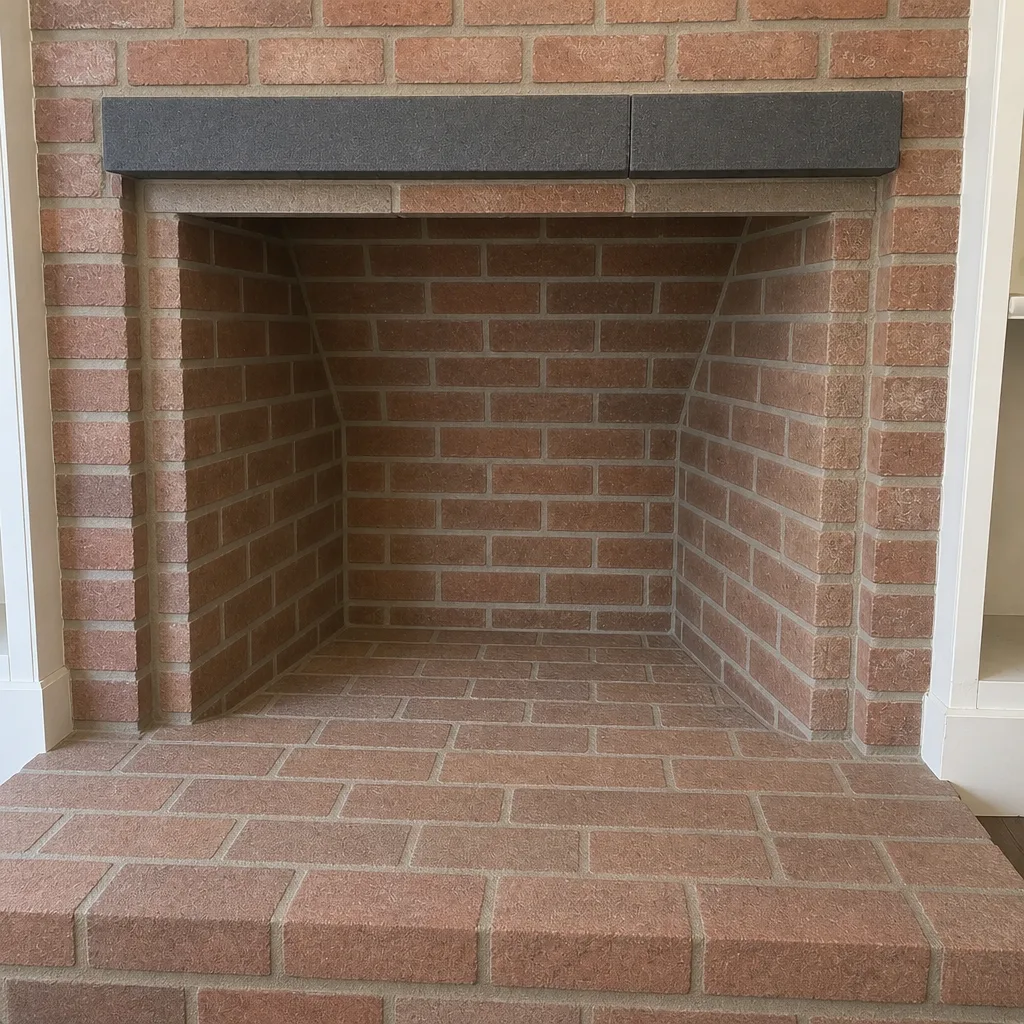
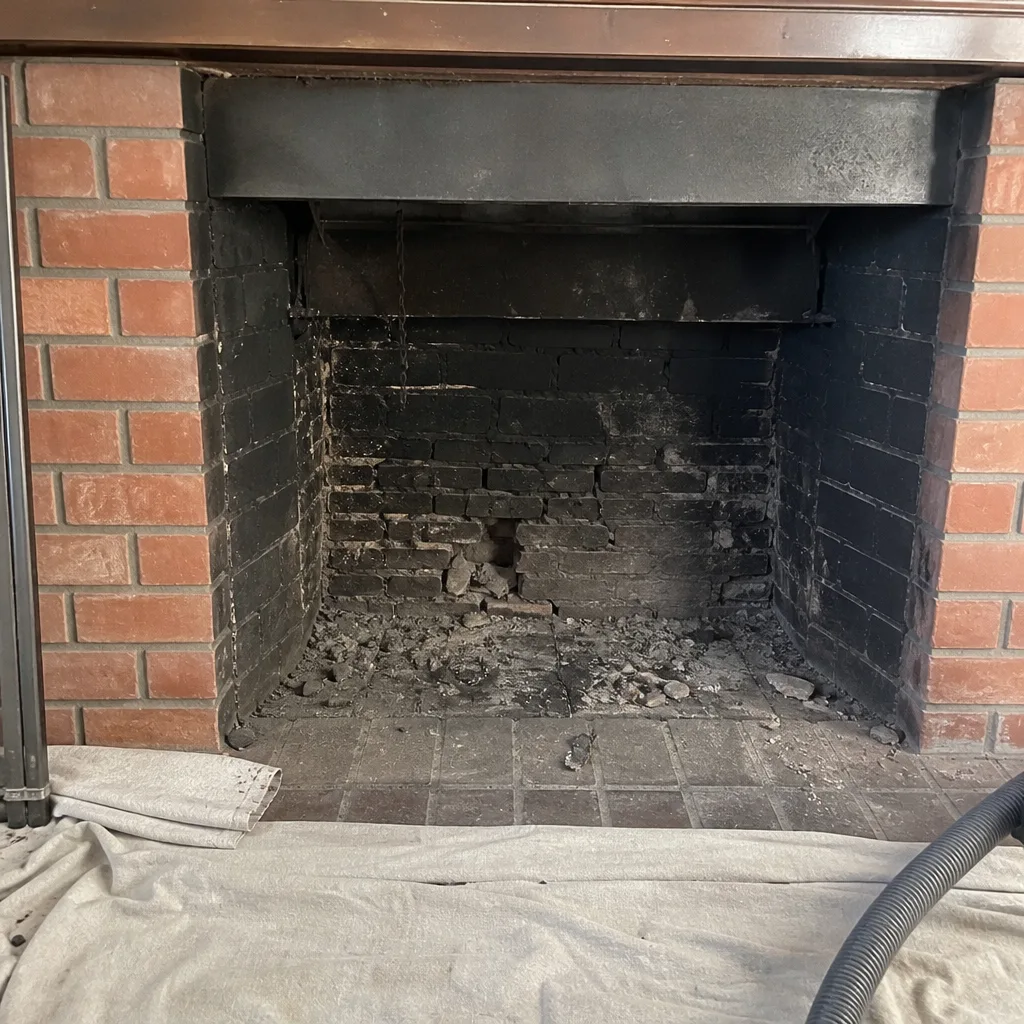
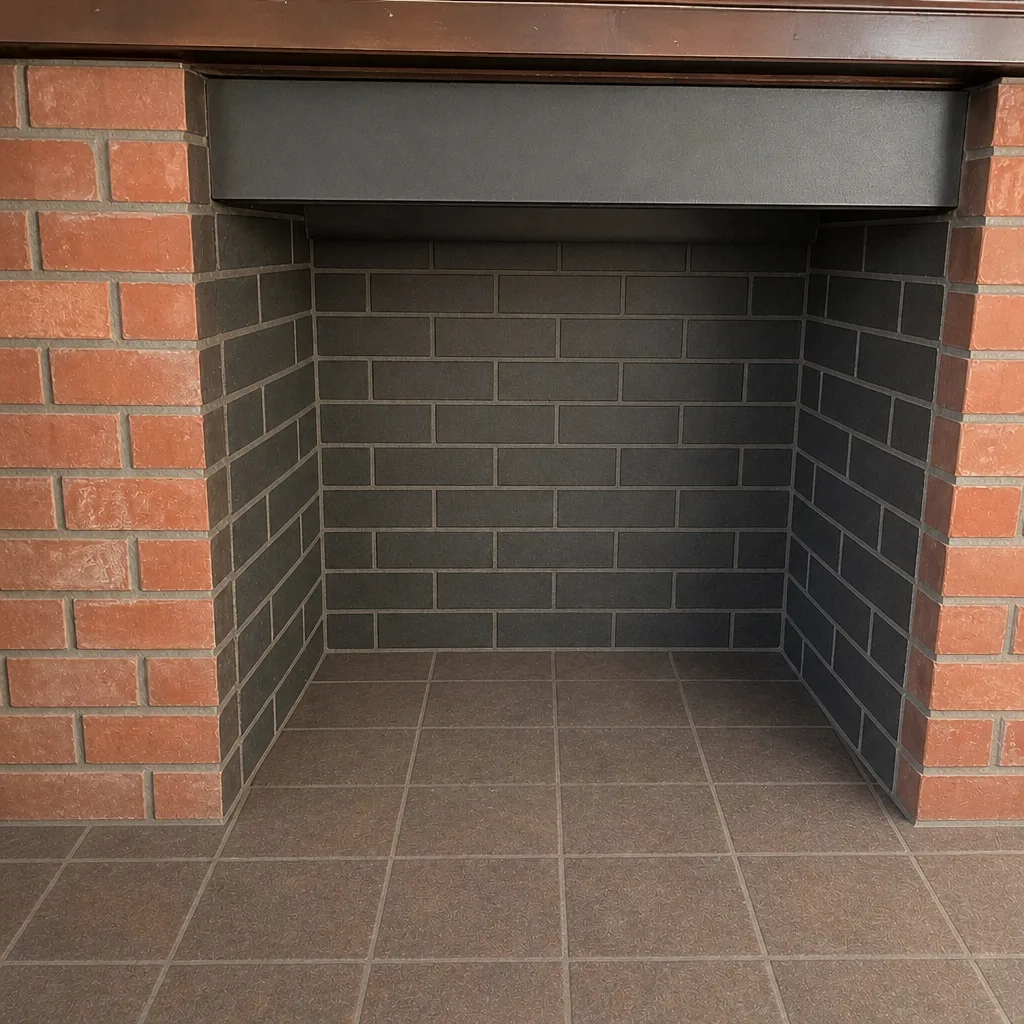
See the difference
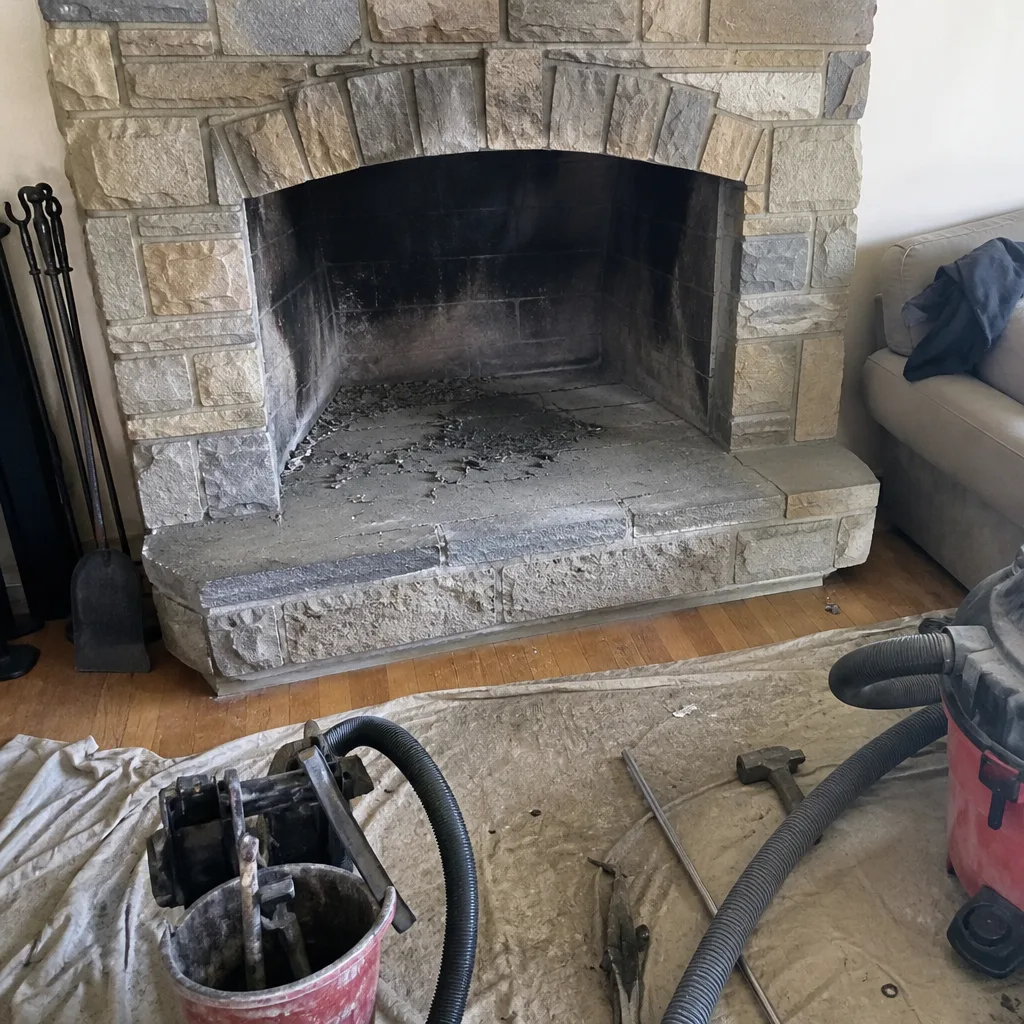 Before
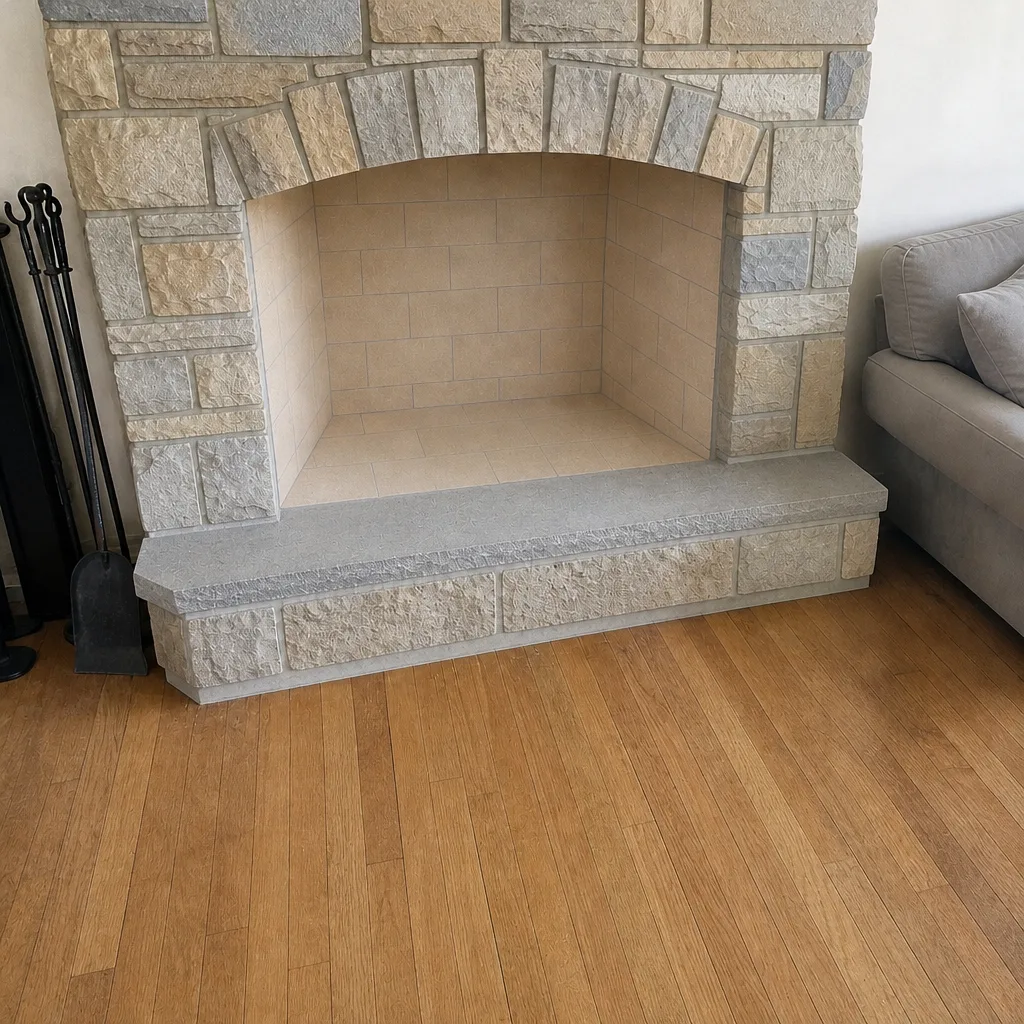 After
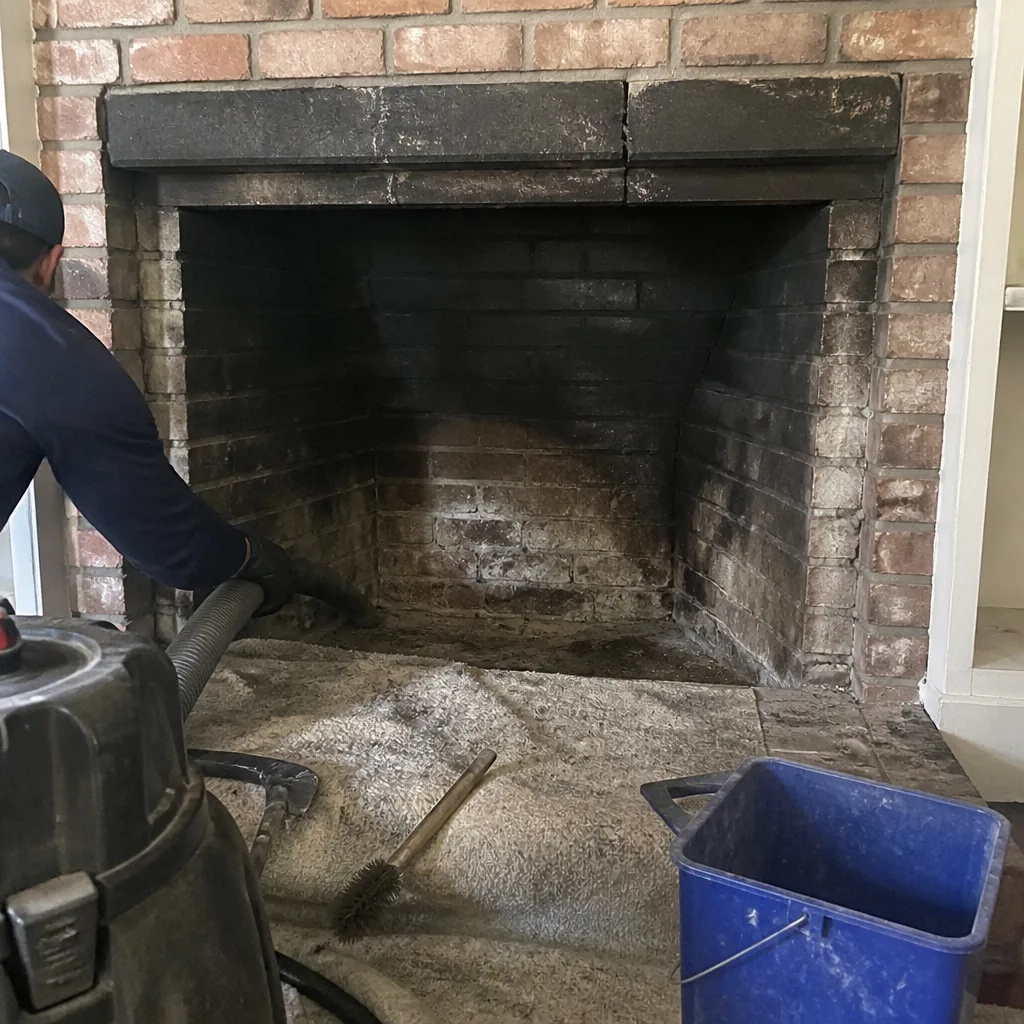 Before
 After
 Before
 After
When to Call a Professional
Call a professional the moment any of these appear: glazed creosote in the flue, a cracked or broken flue tile, a liner that’s disconnected or visibly damaged, spalling brick with crack lines, a loose or missing cap, or draft problems that push smoke into the room. Call before the season, too, if you’ve never had the chimney inspected or you’ve moved into a home with no chimney records. And call if the last person you hired gave you a verbal “looks fine” with no written report; you can’t build a record on that. Chimney Sweep Boise City offers free estimates in Boise City – call (833) 486-7115. We answer 24/7, with fast dispatch from 7am to 7pm, Sunday through Friday.
Frequently Asked Questions
At least once a year, and more often if you burn wood heavily through the shoulder seasons, since more burn hours mean more creosote. The annual sweep and inspection is the anchor task, and it should be booked before burning season starts. Call (833) 486-7115 to get on the schedule – estimates are free.
The annual professional sweep and inspection, done before the season, is the single highest-value task. Everything else on the tiered checklist either supports it or flows from what it finds. If you do one thing this year, do that, and call (833) 486-7115 to book it.
You can handle the Tier 1 tasks from the ground and from a safe distance: cap checks with binoculars, exterior masonry and flashing looks, and a light smoke shelf wipe. Anything inside the flue, any masonry repair, and any liner work needs a trained sweep. When in doubt, call us at (833) 486-7115 – estimates are free.
Wind-stressed caps, mortar joint damage from freeze-thaw cycles, and flashing that pulls loose during big temperature swings are the three patterns we look for here. That’s why an exterior check before and after the season is part of the local checklist, not just the annual interior inspection. To have one done, call (833) 486-7115.
It depends on the condition the camera inspection reveals, and the two are different jobs. HeatShield resurfacing restores the flue you already have in many cases, while a flexible liner like DuraFlex installs a new continuous flue. The report and written estimate set which one is appropriate. Call (833) 486-7115 for a free estimate and a look at the findings.
Small problems stay hidden and grow: a hairline mortar crack widens through freeze-thaw, a liner gap goes unnoticed, and creosote builds until it’s a fire risk. Nothing in a chimney fails loudly at first, which is the whole reason for the annual look. Call (833) 486-7115 to schedule yours.
The Bottom Line
A maintenance checklist is only useful if it tells you where to point your attention, and for a Boise City home the priorities are clear. Book the annual sweep and inspection before the season; that’s the anchor. Do your own exterior checks before and after the season, watching the cap, the mortar joints, and the flashing, because those are where local wind and freeze-thaw do their damage. Keep a simple written record of every visit and repair. When a finding shows up, get it examined and see what the camera shows before deciding anything. And memorize the six red flags so you know when to stop burning. That’s a checklist built for your house, not the average one.
Written by the team at Chimney Sweep Boise City.
Ready to get the season started the right way? Call (833) 486-7115 for a free estimate. We answer 24/7, and fast dispatch from 7am to 7pm, Sunday through Friday.