
Last updated November 15, 2026
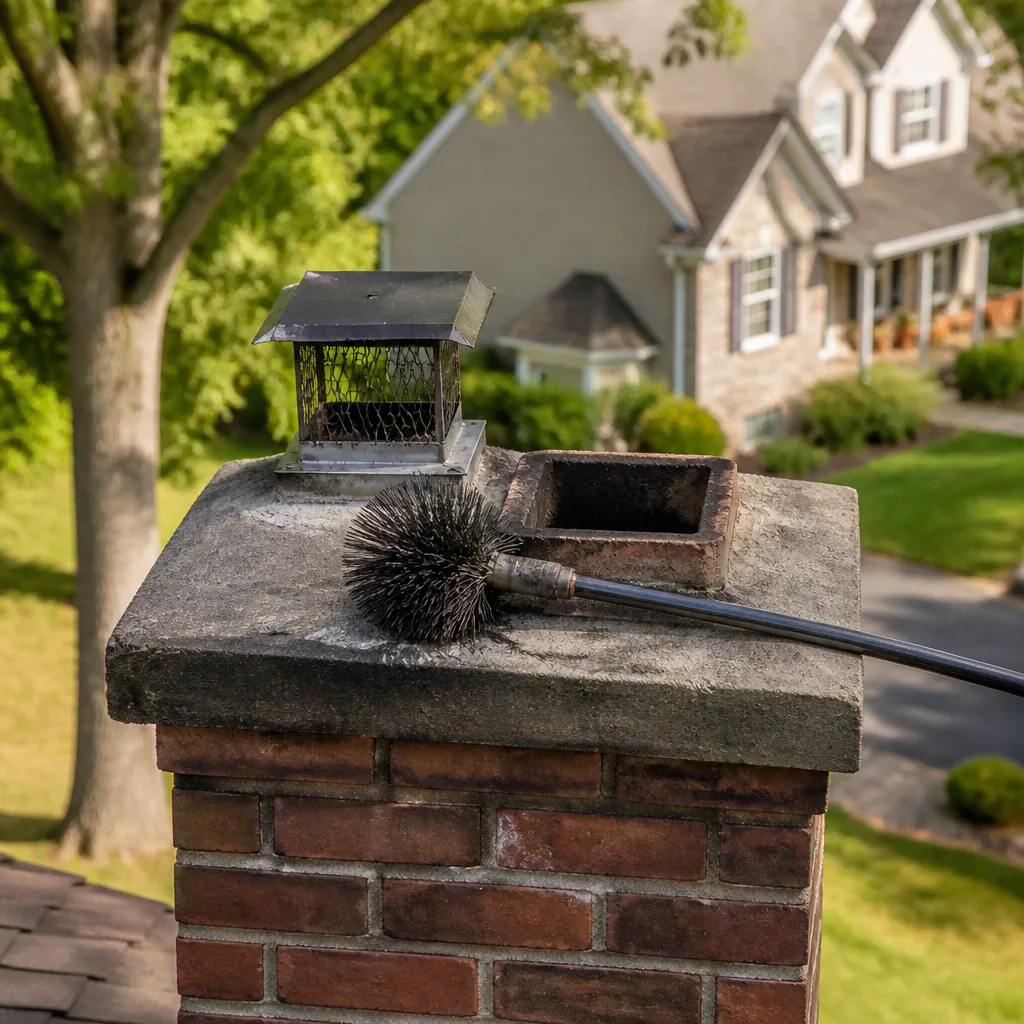 Sweep & inspection
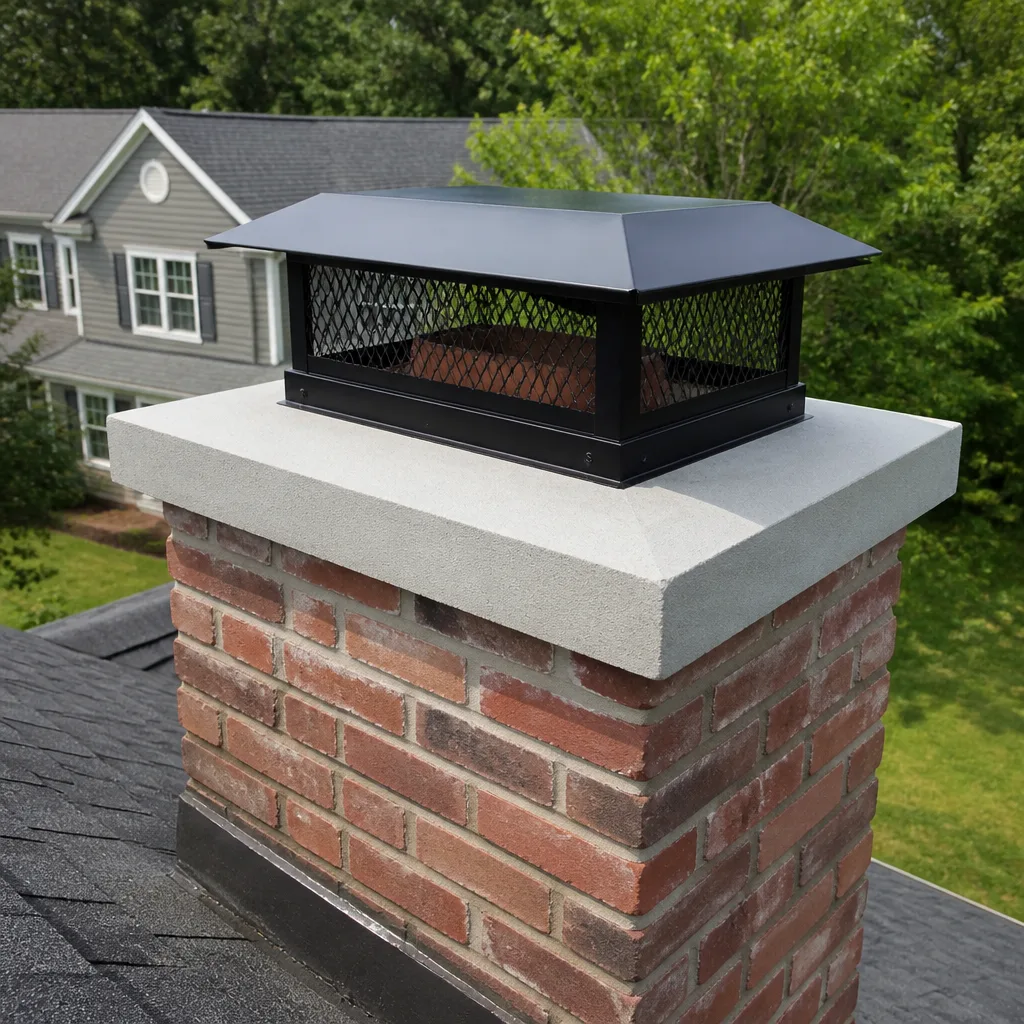 Caps & crowns
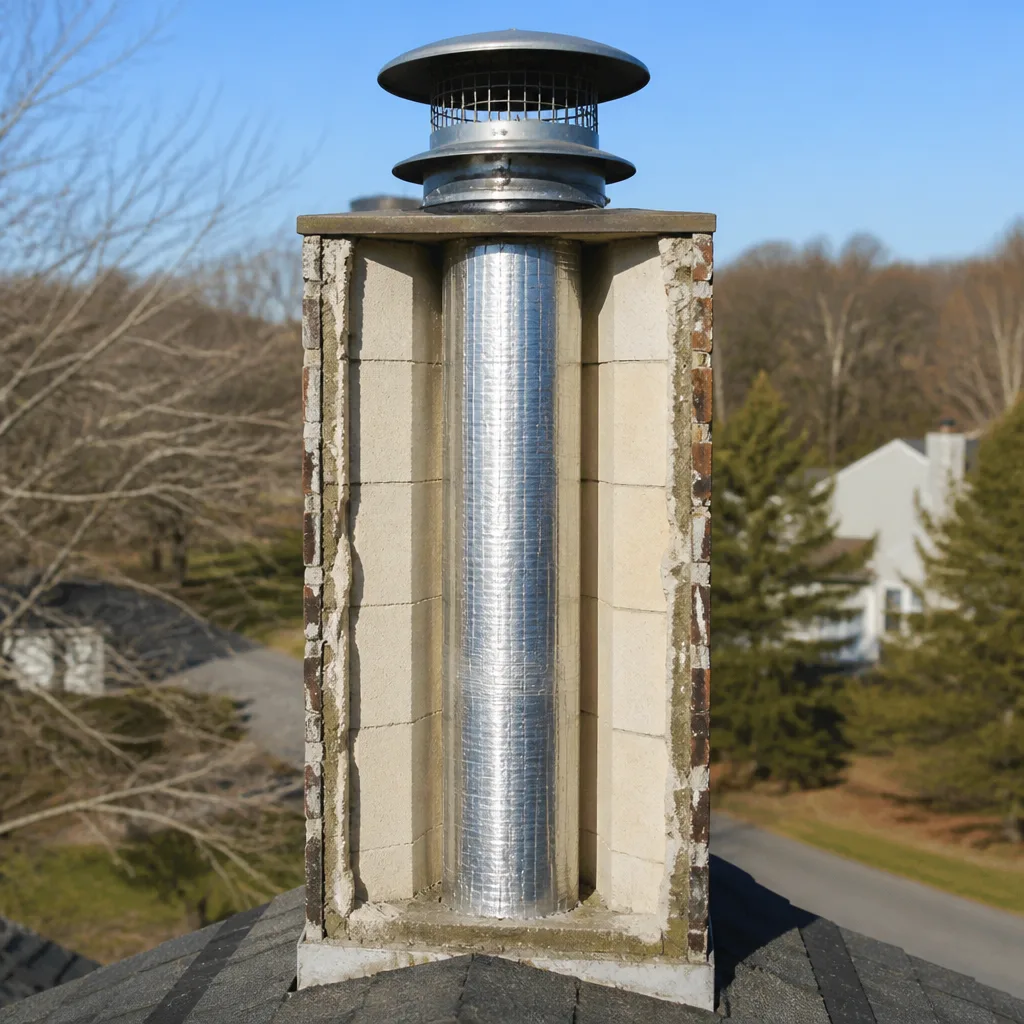 Flue relining
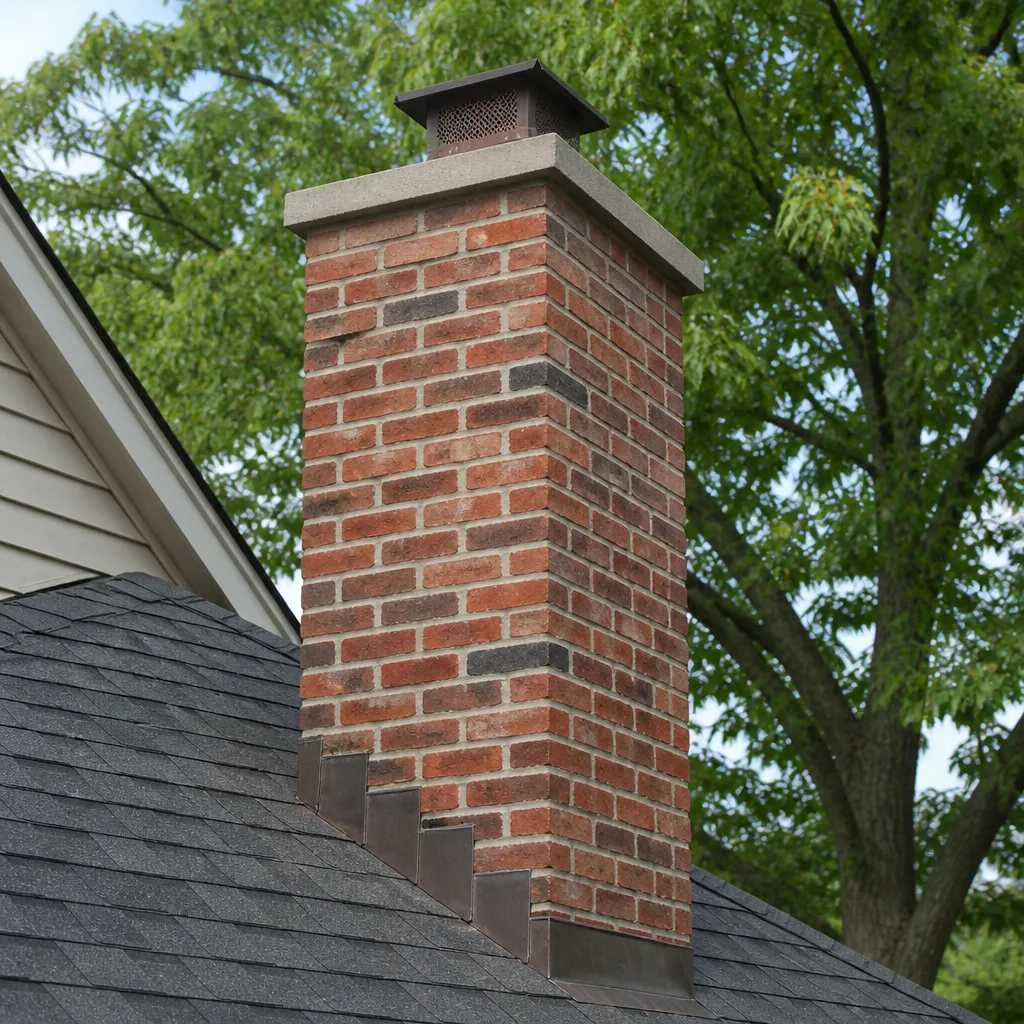 Masonry repair
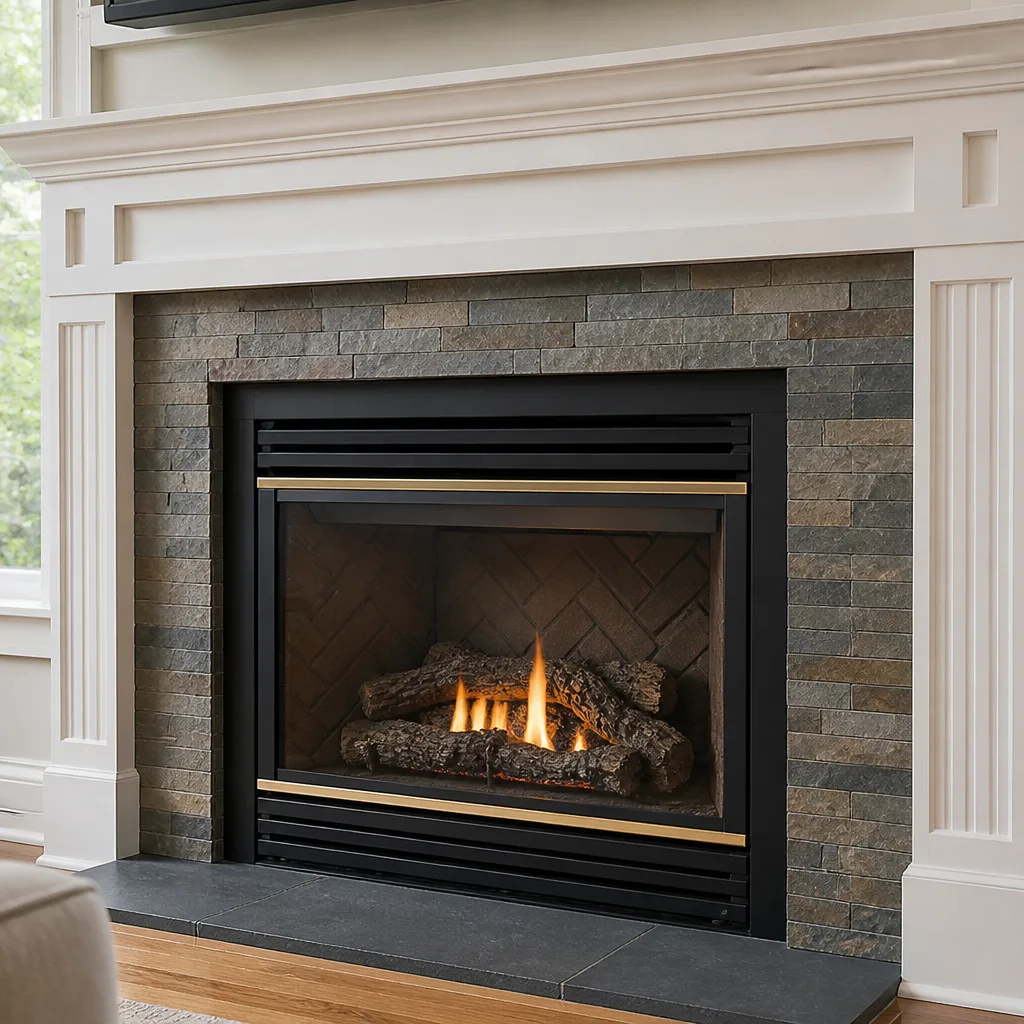 Gas fireplace service
Level 1 sweep and inspection to the NFPA 211 annual standard - flue, crown, cap, and flashing checked and photographed
Chimney sweep logs do not sweep chimneys. They loosen some creosote - which then falls where a brush and vacuum still have to collect it.
Chimney Cleaning Warning Signs: A Boise City Homeowner’s Reference Guide
A strong campfire smell in your living room on a windy afternoon usually isn’t a cleaning problem. It’s a draft problem, caused by negative air pressure pulling smoke back down the flue, and sending a sweep down the chimney won’t fix it. That distinction matters, because most chimney advice treats every warning sign as evidence you need a sweep. Some signs point to creosote. Some point to moisture damage. Some point to a failing liner. And some point to your house’s air balance. This guide treats warning signs as diagnostic data: what each one looks like, what it means, and whether it needs attention today or can wait for a scheduled visit. We’ve written it from Boise City, where freeze-thaw cycling and dry high-desert air create a specific set of symptoms worth knowing.
Quick Answer
The warning signs that matter most in a Boise City home are: creosote glazing on the flue walls, a shower of black flakes when you open the damper, efflorescence (white chalky staining) on exterior masonry, rust on the damper or firebox hardware, and smoke rolling back into the room. Smells tell you which system is involved. A musty smell points to moisture, a sulfuric or rotten-egg smell points to a blocked or deteriorating flue, and a campfire smell on a windy day usually points to pressure, not creosote. Surface cracks in mortar are often harmless shrinkage; cracks that are widening, crumbling, or paired with white staining are active freeze-thaw damage and need a professional look.
Styles & brands we work with
- Sweep & inspection
- Caps & crowns
- Flue relining
- Masonry repair
- Gas fireplace service
Table of Contents
- The Smell Matrix: What Each Odor Actually Tells You
- Reading Creosote Stages From the Firebox Opening
- Settling Cracks vs. Active Freeze-Thaw Fractures
- Boise City-Specific Warning Signs: Efflorescence, Wind-Driven Rain, and Rust
- Signs That Point to a Liner Problem (and When HeatShield or DuraFlex Fits)
- Draft Problems That a Sweep Won’t Solve
- A Step-by-Step Walkaround Checklist for Homeowners
- Today, This Season, or Next Year? A Triage Guide
The Smell Matrix: What Each Odor Actually Tells You
Smell is the most-reported chimney symptom and the least-understood. Homeowners describe “a weird smell” and assume it’s creosote. In practice, smell breaks down into three distinct categories, and only one of them is a cleaning problem. Here’s how we sort them.
- Musty, damp, or earthy smell. Moisture is getting into the flue or the masonry. Common after a wet spring or a shoulder-season rain event. This is a moisture-management problem, not a creosote problem. It often shows up alongside efflorescence on the exterior.
- Sulfuric, rotten-egg, or acrid smell. This is the most serious category. It can indicate a blocked flue, a deteriorating liner (particularly on oil or gas furnace flues), or combustion byproducts backing into the living space. It warrants a professional inspection, not a wait-and-see.
- Campfire smell with no fire burning. Usually a pressure problem, not a creosote problem. Negative pressure inside the house pulls flue gases down instead of pushing them up. A sweep won’t fix it, and neither will a cap. It’s an air-balance issue and gets diagnosed as one.
- Creosote smell (sharp, tarry, smoky) even when cold. This is the one that does point to creosote accumulation, particularly when the chimney hasn’t been swept in a while or the wood has been burning wet.
- Chemical or solvent smell. Modern building materials, sealants, or furnace work can leave residues in a flue. Rare, but worth flagging to your technician so it’s checked during the inspection.
A campfire smell on a windy Boise City day is the classic false positive. Homeowners assume creosote and book a sweep, get a clean bill of health, and still smell smoke the next windy day. Diagnosing the draft problem first saves the cleaning fee and actually solves the problem. The right move is to describe the smell precisely when you call. “It smells like a campfire on windy days” points a technician toward pressure. “It smells musty after rain” points toward moisture. “It smells like sulfur” moves to the front of the line.
Reading Creosote Stages From the Firebox Opening
You don’t need tools to gauge creosote buildup. You need a flashlight and a few minutes. Open the firebox doors, look up the flue with the light angled along the chimney wall, and note what you see. Creosote escalates through three stages, and each stage looks meaningfully different.
- Stage 1: Soot and light fluff. Looks like a dusty grey or black coating, similar to what collects on a car’s exhaust. Wipes off easily with a rag. This is normal after a season of burning and is what a routine sweep removes.
- Stage 2: Crunchy black flakes. The coating is thicker and harder. Small flakes may fall when you open the damper or tap the flue. This is where a routine chimney sweep is overdue, not an emergency, but not something to postpone another season either.
- Stage 3: Glazed, shiny, tarry surface. The creosote has hardened into a varnish-like shell that looks almost wet. It’s the most combustible form and the hardest to remove. Stage 3 creosote is a chimney fire waiting for an ignition source, and it deserves same-week attention.
There’s a fourth observation worth noting: how much is visible. If you can’t see clear flue walls on the way up, the buildup is heavy enough that a professional inspection is the next step. Charcoal-black soot coating the smoke chamber and damper is also a sign the fire hasn’t been burning efficiently. That’s more about how much smoke is coming off the fire than about the sweep schedule, and a technician will usually have advice on burn practices along with the cleaning.
What’s easy to misread: seeing “no visible creosote” from the firebox mouth and assuming the whole flue is clean. The firebox opening gives you a view of the first few feet of the flue. The upper stretches, the smoke chamber, and the top of the flue are where the worst buildup usually sits. If you’ve had one side of the flue inspected only at the firebox, you haven’t really had it inspected. A camera-based inspection is the only way to see the whole run, and it’s the backbone of how we approach a chimney repair recommendation. No photo, no call to repair. That’s the rule.
Settling Cracks vs. Active Freeze-Thaw Fractures
Not all cracks are bad cracks. Boise City masonry lives through a wide temperature swing across the seasons, and hairline cracks are often just the material releasing stress. The trick is telling harmless shrinkage from active damage. Texture and pattern are the diagnostic tools.
- Shrinkage or settling cracks. Thin, uniform, tight-edged, and stable over months. They run along mortar joints in a roughly straight line and don’t have any “spall” (flaking) along their edges. These are typical in masonry and don’t usually need intervention.
- Active freeze-thaw fractures. Wider, uneven, with crumbling or pitted edges. They often run diagonally through brick faces, not just along joints. Water gets into these, freezes, expands, and pushes the crack wider, so they grow year over year.
- Step cracks. Diagonal cracks that follow the mortar joints like a staircase. Step cracks usually signal movement, not just weathering, and they almost always warrant a professional look.
- Spalling brick faces. The brick face is flaking off or pitting. This is a moisture sign as much as a crack sign, and it goes hand-in-hand with efflorescence.
- White powdery deposits at the crack. This is efflorescence, and pairing it with a crack means water is actively moving through the masonry. Not just stress.
Here’s how to actively test a crack: run your fingertip along the edge. A settling crack feels smooth and tight. A freeze-thaw crack feels rough, crumbly, or catches your skin. If you have two photos six months apart showing the same crack, and it’s the same width, it’s probably settling. If it’s wider, it’s active. Boise City’s freeze-thaw cycles come through reliably every winter, and crown and mortar damage that would stabilize in a milder climate tends to keep progressing here. The base of the chimney is where this shows up first, since it’s closer to splash-back from the roof and closer to ground-level moisture.
Boise City-Specific Warning Signs: Efflorescence, Wind-Driven Rain, and Rust
Local climate shapes what damage looks like on a chimney. Boise City sits in a high-desert valley with cold winters and dry summers, and the chimney damage we see here tends to follow that pattern rather than a humid-climate pattern. Three signs come up repeatedly.
Efflorescence: the white chalky stain
Efflorescence is the powdery white staining on masonry that appears when water dissolves salts inside the brick and then evaporates at the surface, leaving the salts behind. It’s not itself destructive, but it’s the most honest moisture signal a chimney gives you. If you see chalky white patches that appear after rain and then fade, moisture is moving through the masonry somewhere above. Where efflorescence appears matters: near the crown, it suggests the crown needs attention. At mid-shaft, it suggests the joints or brick faces have opened up. At the base, it can mean splash-back or a leaking flashing detail. The pattern is the map to the source.
Wind-driven rain staining
Boise City gets wind-driven rain events in spring and fall, and those leave a distinct signature. One face of the chimney (usually the side facing the prevailing storm direction) will be darker or streakier than the others. Rainwater pushed against the masonry finds its way into every small gap and then freezes. Streaking on one face, with the other three looking fine, is a sign that face is taking more weather and that joint or crown sealing there is worth checking. Uniform grey weathering across all sides is normal aging and less concerning.
Rust on damper hardware
Rust on the damper, the damper frame, or the firebox hardware is a moisture signal that’s easy to miss because it’s hidden inside the firebox. Rust forms on those metal parts when the chimney sees seasonal humidity swings or when moisture has been getting into the smoke chamber. If your damper sticks, feels gritty when you operate it, or shows visible rust after the shoulder season, moisture is present somewhere it shouldn’t be. It’s worth having checked, particularly if you also see efflorescence outside.
If you’re new to Boise City and moving in from a wetter climate, be aware that our version of “chimney damage” doesn’t look the same as what you may have seen before. Moisture here cycles rather than sits, and that cycle is what drives the cracks, the efflorescence, and the rust. If you’d like a baseline inspection in Boise City, that’s exactly what we do.
Signs That Point to a Liner Problem (and When HeatShield or DuraFlex Fits)
A liner problem and a creosote problem can produce similar symptoms, but they’re different jobs. Cleaning won’t fix a failed liner, and relining won’t fix creosote buildup. Here’s how to tell them apart from the firebox opening.
- Signs a standard cleaning will probably resolve: uniform soot on the flue walls, crunchy stage 2 creosote, a slight smoky smell when the fire is first lit, a low-sitting fire that struggles to draw. These are airflow and buildup symptoms.
- Signs pointing to a liner problem: visible cracks or gaps in a clay tile liner (viewable with a camera, not always from the firebox), a flue that changes shape partway up, spalling tile fragments in the firebox, water staining on the inside of the flue, or smoke smell present even when the flue is clean.
- Signs pointing to a smoke chamber problem: draft problems that don’t resolve with a cleaning, smoke rolling out of the firebox even when the flue is clean, or a rumble when the fire is running. The smoke chamber is the transition area above the damper, and it’s a common trouble spot.
When a liner issue does turn up, the repair depends on how much of the liner is compromised. Two approaches come up most often.
- HeatShield resurfacing. HeatShield is a resurfacing system applied to the inside of the flue when the liner damage is moderate and the chimney structure is otherwise sound. It can restore a compromised flue without a full liner replacement, and it’s the option worth discussing when the goal is extending the life of what’s already there.
- DuraFlex liner installation. DuraFlex is a flexible stainless liner system used when the original clay tile is too far gone, or when the flue needs to be brought back to code. It’s a professional-tier product specified by chimney pros for durability, not a hardware-store generic.
Which one fits depends entirely on what the camera sees. We recommend HeatShield when resurfacing addresses the actual problem and DuraFlex when it doesn’t, and we show the homeowner the camera footage before either is booked. That way the recommendation is based on evidence they can look at, not on our word. For context on the broader set of repair scenarios, see our chimney repair page. When we source caps, flashing, or venting components, they come through professional distribution (Copperfield and Famco are the standard sources), not from a cut-rate channel.
Draft Problems That a Sweep Won’t Solve
If a sweep doesn’t change the symptoms you’re seeing, the problem was probably never creosote. Draft problems are the most common misdiagnosed category we see, and they’re worth understanding because they save homeowners a wasted service call.
Negative pressure is the source of most backdraft complaints. Your house has exhaust fans running (kitchen, bath), a furnace or water heater pulling air, and a certain amount of natural air leakage. In a well-sealed Boise City house, that’s a balancing act, and the chimney is the tallest, easiest path for makeup air to come down. Common signs:
- Smoke rolling out of the firebox when the fire is first lit. Classic sign that pressure has to equalize before the flue starts drawing.
- Campfire smell in the room with no fire burning. Flue gases moving down rather than up.
- Symptoms that get worse on windy days. Wind across the chimney top creates a pressure differential that competes with draft.
- Symptoms that get worse when you run the kitchen or bath fan. Direct competition for makeup air.
- Symptoms that only appear in certain seasons. Temperature-driven pressure changes, not buildup.
What to do about it isn’t a chimney cleaning. It’s a house-air-balance diagnosis, and the fix might be a makeup air solution, a chimney cap change, a top-sealing damper, or a pressure test. If your sweep clears the chimney and the symptoms remain, ask for a pressure diagnosis. If you’ve been quoted a liner for a draft problem, get a second opinion before spending the money. That’s not a sales call, it’s just the reality that creosote and draft are different problems that present differently and are fixed differently.
A Step-by-Step Walkaround Checklist for Homeowners
A ten-minute walkaround through the firebox, the living space, and the chimney exterior catches most of the warning signs above. No tools needed, just a flashlight. Here’s how we’d suggest doing it.
Inside the firebox:
- Look up the flue with a flashlight angled along the wall. Note soot, fluff, flake, or glazing. Anything shiny is stage 3.
- Check the damper. Operate it slowly. Note rust, sticking, or grit. Stiffness or rust is a moisture signal.
- Note any debris on the firebox floor. Flakes of creosote, chunks of mortar, or tile fragments tell you what’s happening above.
- Smell test. Get close to the firebox when the chimney is cold. Note musty, sulfuric, campfire, or creosote smells and which one.
Inside the living space:
- Check the room for smoke staining. Soot streaks above the firebox or around the mantel indicate backdraft history.
- Light a small test fire and watch the smoke. Smoke that rolls out before the flue warms signals draft trouble. Smoke that continues to roll out after the flue warms is worth flagging to a technician.
Outside the chimney:
- Walk all four sides of the chimney from the ground. Look for efflorescence, step cracks, spalling brick, or one-sided dark streaking from wind-driven rain.
- Look at the crown from the ground or from a safe vantage. Cracks in the crown, moss, or a crown that looks visibly separated from the flue are worth checking. Don’t get on the roof to inspect this yourself. Steep-roof and height work is a trained-professional job.
- Note the flashing and cap. From the ground. Rusted-through caps, missing cap mesh, or flashing that’s pulled away from the chimney are visible from below in most cases.
Write the results down or photograph each item. A photo of the same crack now and six months from now tells you whether it’s settling or active. That record is what pushes a vague symptom into useful diagnostic data. If you’d like a trained eye to walk the whole chimney for you, that’s what our chimney sweep appointment includes: a sweep, a camera inspection, and a photo report you can keep. When nothing needs attention, we say so.
Today, This Season, or Next Year? A Triage Guide
Not all warning signs need immediate action, and part of what we do in Boise City is tell homeowners what can safely wait. Here’s the triage we use.
Call today (or schedule within the same week)
A sulfuric or rotten-egg smell. Visible glazed stage 3 creosote. Tile fragments in the firebox. A flue that has clearly changed shape. Any symptom that comes with a headache, dizziness, or nausea when the fire is running (this can indicate carbon monoxide, so treat it as urgent and ventilate the area). Smoke that keeps rolling into the room even after the flue warms. A crack that is visibly widening week to week.
Schedule this season
Crunchy stage 2 creosote. Musty smell after rain. Efflorescence that appeared after the last wet season. Rust on the damper that isn’t causing it to stick. A single one-face rain-streak that appeared after the last storm. Settling cracks that are stable but that you haven’t had documented. A chimney that hasn’t been cleaned in more than a year even without symptoms. A new-to-you house where you don’t have cleaning records.
Book for next year’s pre-season
No visible signs from the firebox but no sweep in the last year or two. Hairline settling cracks that have been stable for years. Chimney cap or crown showing age but not actively failing. If you’re unsure which bucket a symptom falls in, describe it when you call and we can help you sort it before booking anything.
None of this replaces an actual look. The triage above tells you how quickly to act; the inspection tells you what’s actually happening. A quick answer: if you see it in the firebox or smell it in the room, get it looked at. Everything else can wait for a sweep, and we say so when we mean it.
Common Mistakes to Avoid
- Assuming every smell is creosote. The campfire-on-a-windy-day smell is a pressure problem, not buildup. Booking a sweep for it wastes the fee and leaves the real cause untouched.
- Ignoring efflorescence because it wipes off. It’s not the deposit that matters, it’s the moisture path that put it there. Chalky white staining on Boise City masonry is a wet-masonry flag, not a cosmetic one.
- Waiting a full season to see if a crack “grows.” By the time a freeze-thaw crack is visibly wider, moisture has already worked through a full cycle of expanding and freezing. Photograph it now, then have it looked at, rather than waiting for confirmation.
- Buying a cheap liner from a hardware store. A generic flexible liner is not the same product as DuraFlex or Olympia Chimney systems, and the difference shows up in fit, durability, and code compliance. Bargain liners cost less up front and more over ten years.
- Skipping the camera inspection because the fire “still works.” A fire can work just fine while the flue is failing above the firebox. Every repair recommendation should be backed by photo evidence the homeowner can see, and any contractor unwilling to show you that evidence is a warning sign itself.
- Booking a sweep for a draft problem. If your symptoms are smoke rolling out with no buildup in evidence, or smells that only appear on windy days, ask for a pressure diagnosis before you schedule anything else.
- Assuming a chimney cap means nothing can get in. A cap with failed mesh, missing screws, or rusted-through metal is worse than no cap in some cases, because it can still shed debris into the flue. Caps need inspection same as everything else.
See the difference
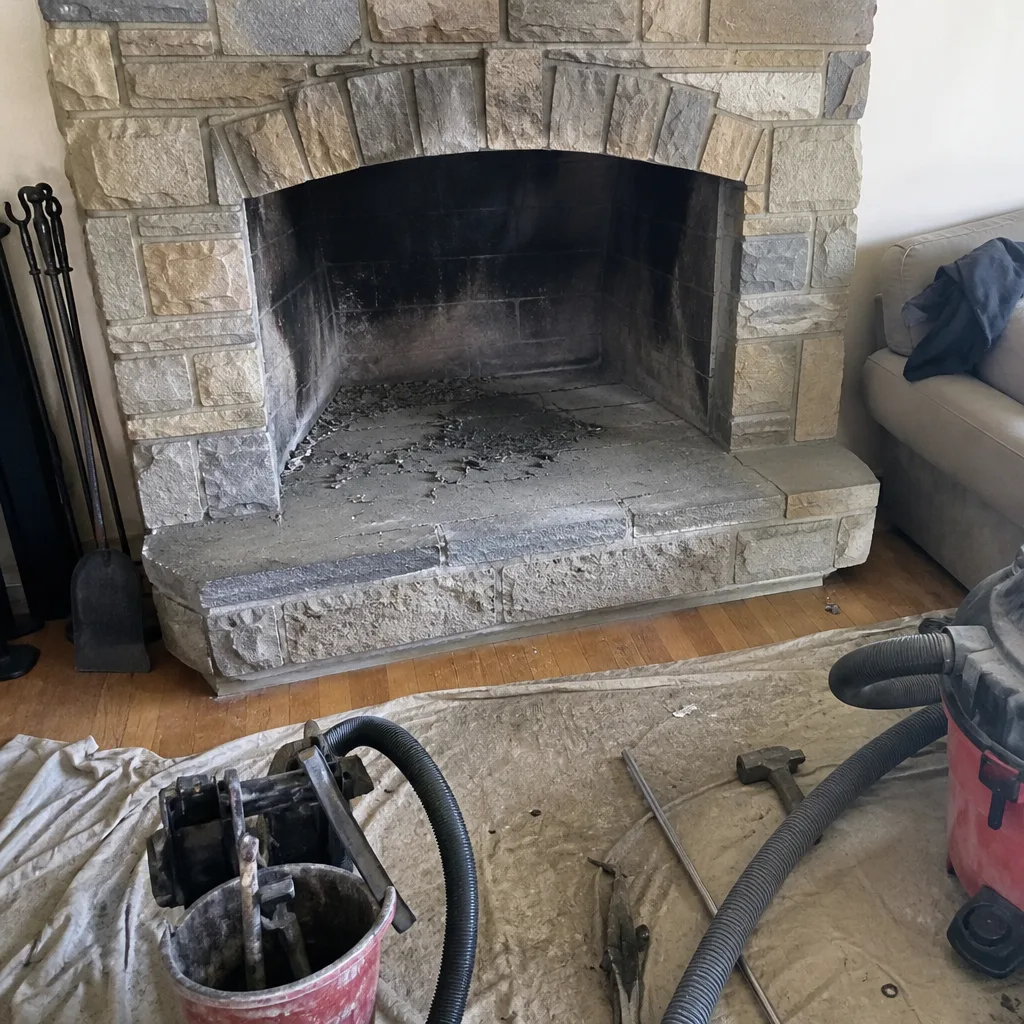 Before
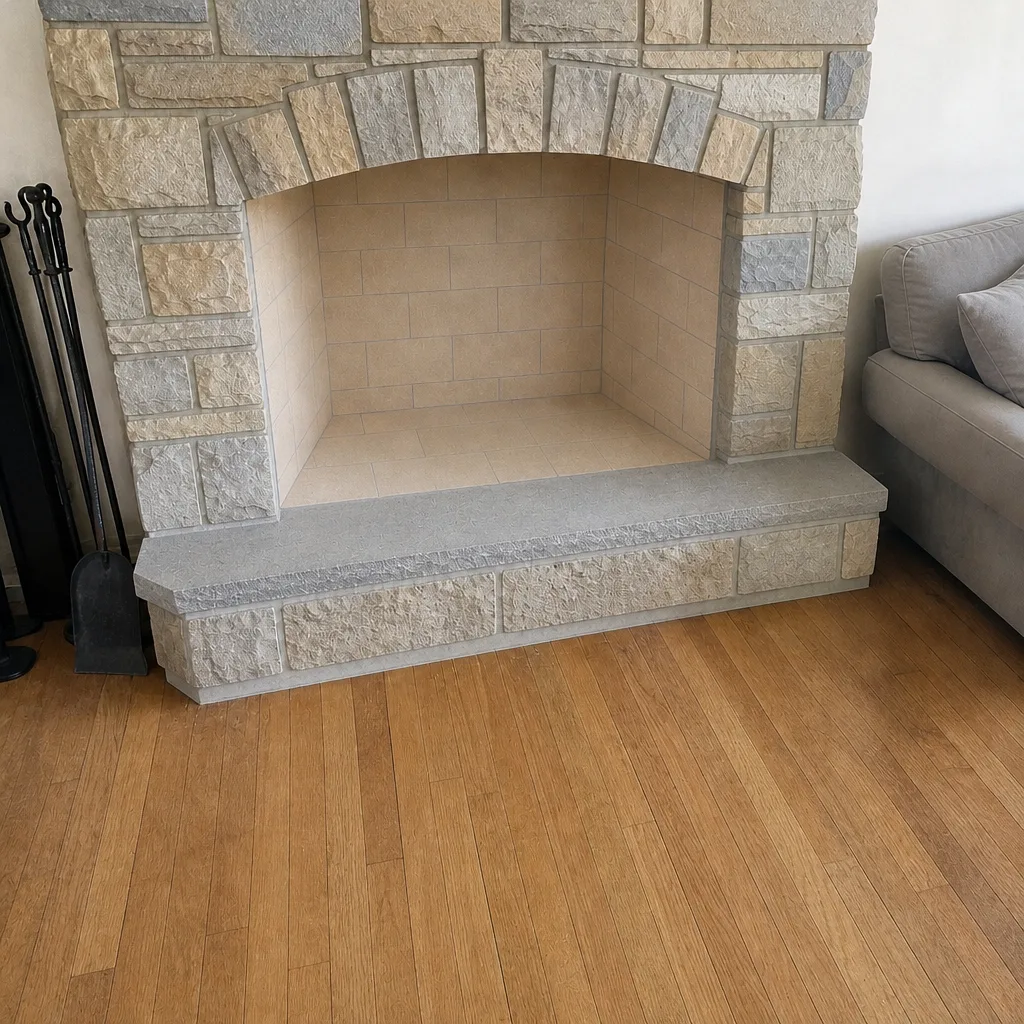 After
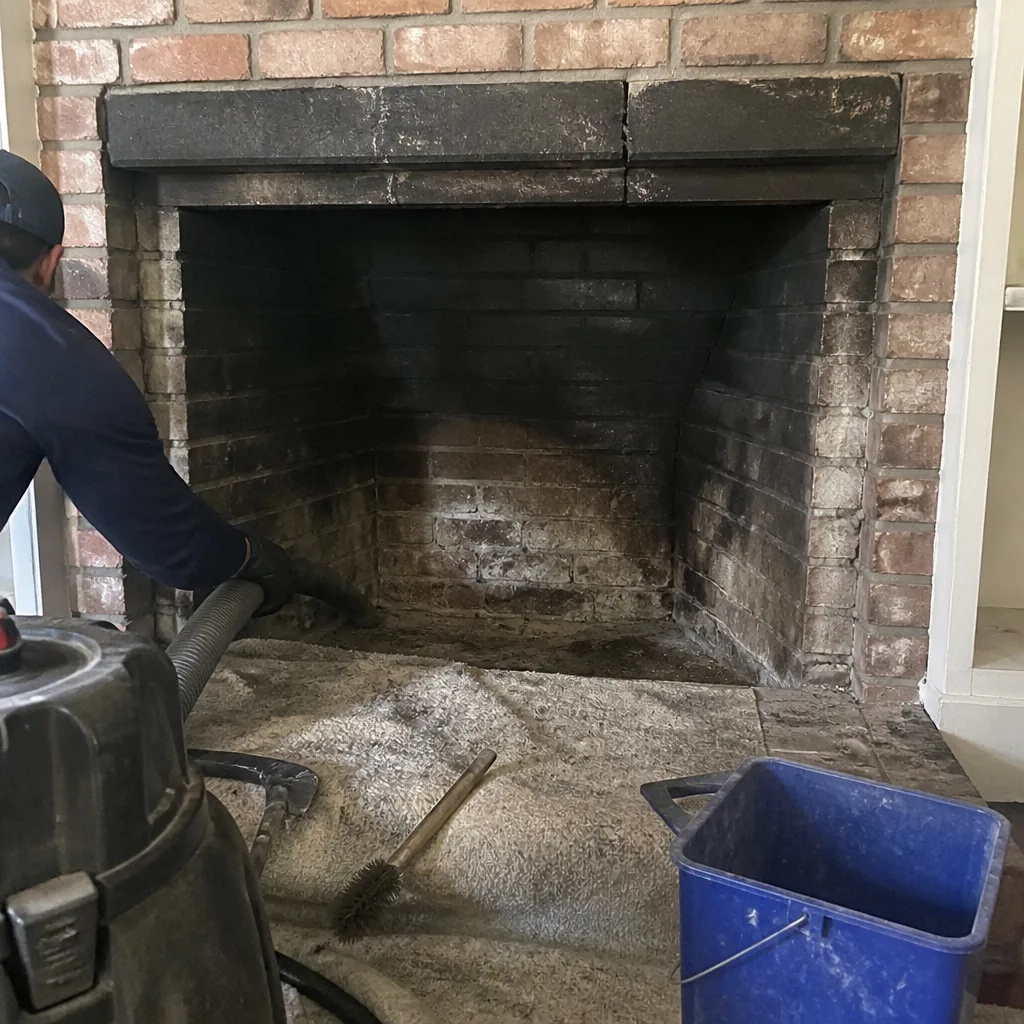 Before
 After
 Before
 After
When to Call a Professional
The signs that genuinely need a trained eye are the ones that point to something inside the flue or masonry that a homeowner can’t safely reach or read from the firebox opening. Stage 3 glazed creosote, sulfuric smells, tile fragments in the firebox, step cracks in the exterior masonry, and efflorescence paired with active cracks all fit. If you’re a new homeowner without cleaning records, a baseline inspection is worth booking before your first burn season. If you’ve had work quoted that you can’t verify, a second opinion is legitimate and worth the time. Chimney Sweep Boise City offers free estimates in Boise City. Call (833) 486-7115. We answer 24/7. Fast dispatch from 7am to 7pm, Sunday through Friday. Our technicians have up to 8 years of experience, and a camera inspection with a photo report is included with every sweep so you can see for yourself what we found.
Frequently Asked Questions
The clearest signs are crunchy black flakes falling into the firebox, glazed or shiny creosote on the flue walls, a smoky or creosote smell inside the room, and heavy soot on the smoke chamber. If you see or smell any of these, a sweep is due. Call (833) 486-7115 for an exact quote. Estimates are free.
For a wood-burning fireplace used regularly, a sweep is usually needed every year to two years. Homes burning softer wood or wet wood build creosote faster. Gas and oil furnace flues are checked on a different cadence based on the appliance manufacturer. If you’re not sure of the last sweep, book an inspection rather than guessing.
Usually not. A campfire smell that appears on windy days, or when you’re not burning, points to a pressure or draft problem more often than creosote. A sweep won’t fix it. Ask for a pressure diagnosis when the smell is pressure-typed.
Pricing is set per job by the written estimate, and a camera inspection with a photo report is included. There’s no service-call fee, and the estimate is free. Call (833) 486-7115 for an exact quote. Estimates are free.
That depends on what the camera shows. HeatShield resurfacing is the right call when the original liner is moderately damaged but the structure is sound. DuraFlex is the right call when the original clay tile is too compromised to resurface. Nothing is recommended without camera evidence you can see for yourself. Call (833) 486-7115 for an exact quote. Estimates are free.
Creosote accumulates in stages, and stage 3 glazed creosote is the most combustible form, which elevates chimney fire risk. Skipping also means less frequent inspection, so small liner and masonry problems can become larger ones. The specific risk of a given chimney is best judged by inspection, which is why we recommend the sweep rather than a blanket warning. Call (833) 486-7115 to book a sweep and inspection. Estimates are free.
The Bottom Line
Warning signs on a Boise City chimney break down into categories, and each category calls for a different response. Smells matter most when you can name them precisely: musty points to moisture, sulfuric points to the flue and warrants same-week attention, campfire-on-a-windy-day points to pressure. Creosote stages you can read from the firebox opening with a flashlight, and stage 3 glazed creosote is the one to act on quickly. Exterior damage reads through texture and pattern: tight uniform cracks settle, crumbly widening cracks with efflorescence are active freeze-thaw damage. Rust on the damper is a moisture signal. And any symptom that doesn’t change after a cleaning is probably not a cleaning problem. When a liner does need work, HeatShield resurfacing and DuraFlex liner systems are the professional-grade options, and neither should ever be recommended without photo evidence.
If you’ve walked your chimney and want a trained eye on it, that’s what we do. Our Chimney Sweep Boise City team handles sweep, inspection, and repair, so you don’t need a second contractor to finish the job, and every recommendation comes with a photo report. Call (833) 486-7115 for a free estimate. We answer 24/7. Fast dispatch from 7am to 7pm, Sunday through Friday.
Written by the team at Chimney Sweep Boise City.