
Last updated November 15, 2026
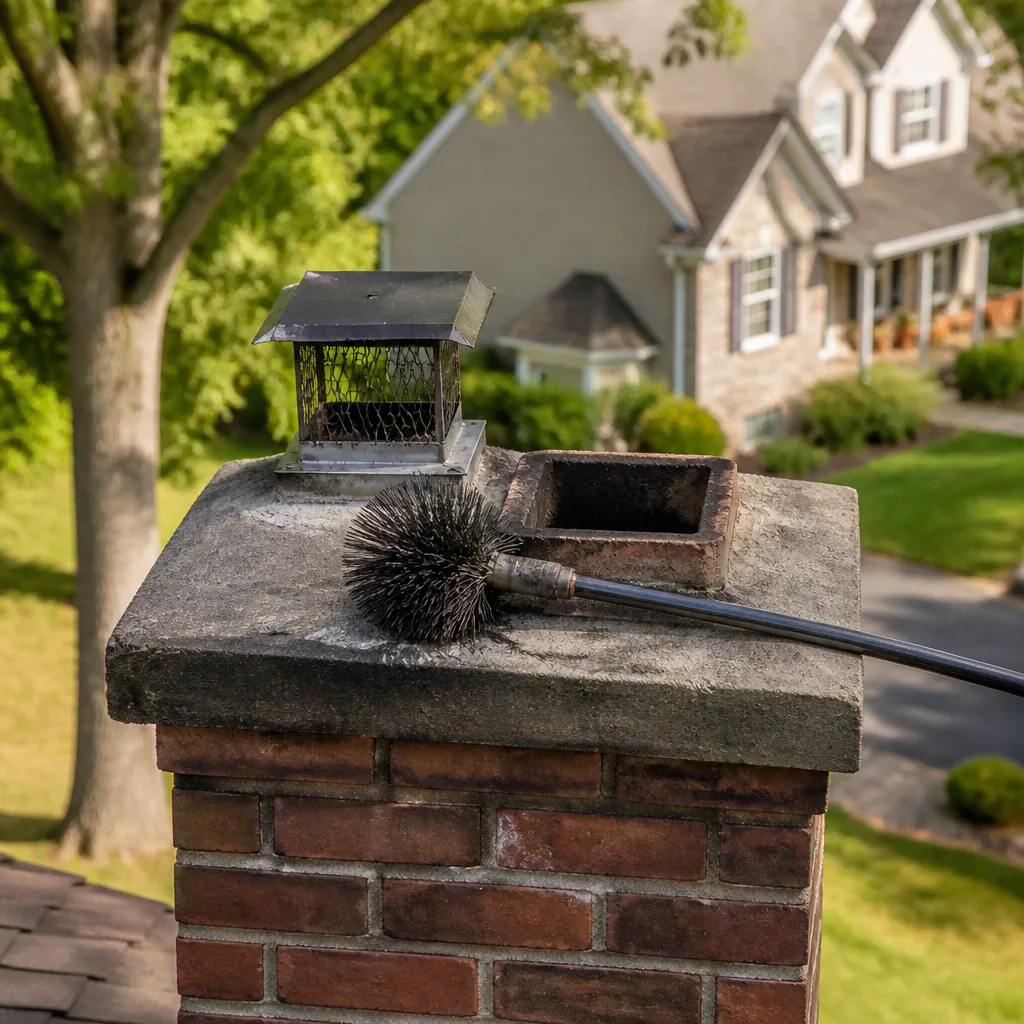 Sweep & inspection
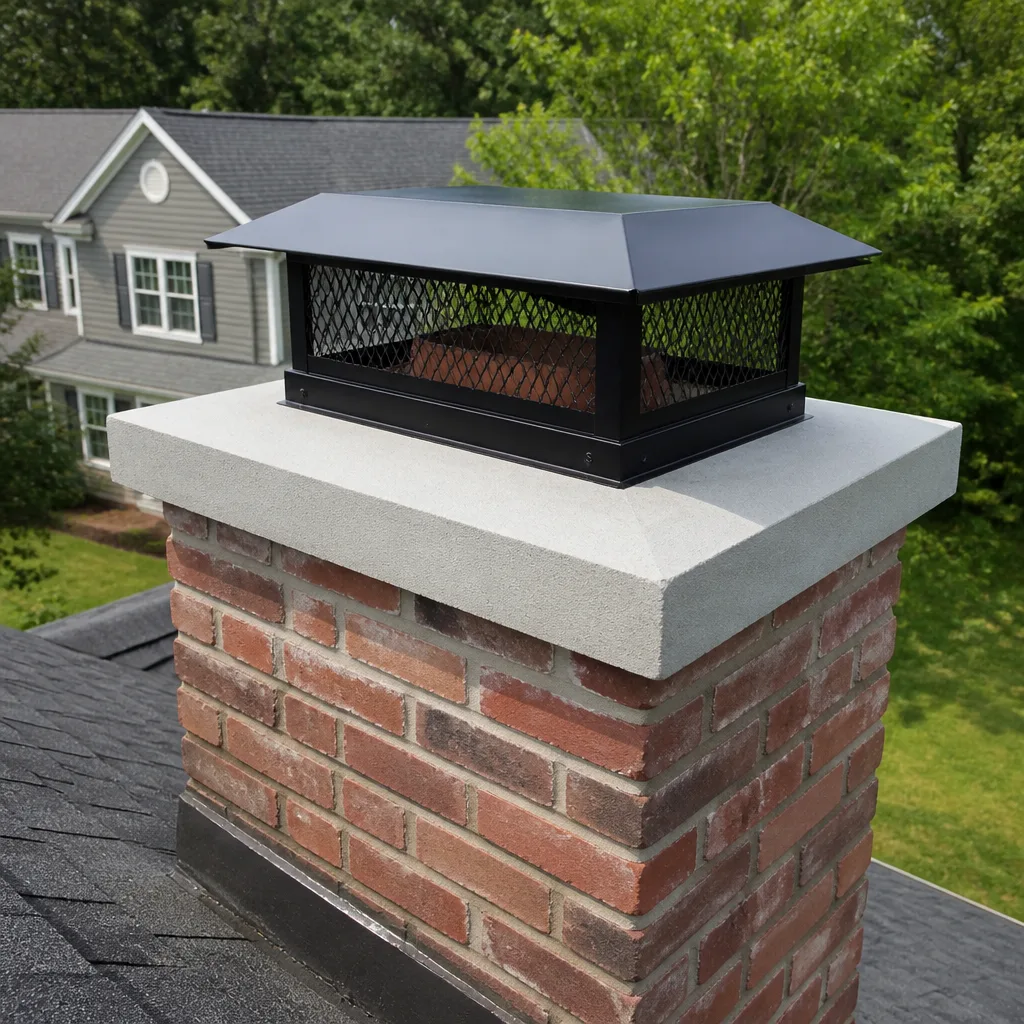 Caps & crowns
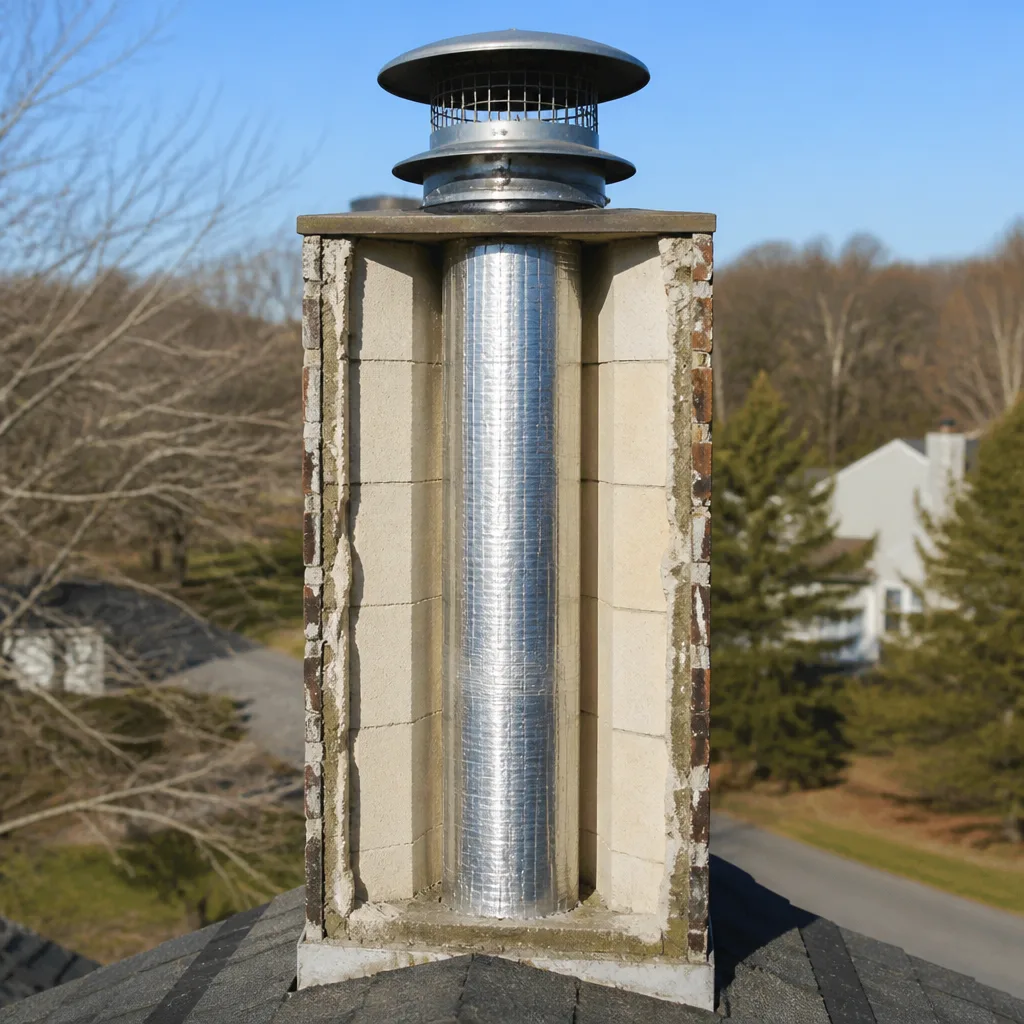 Flue relining
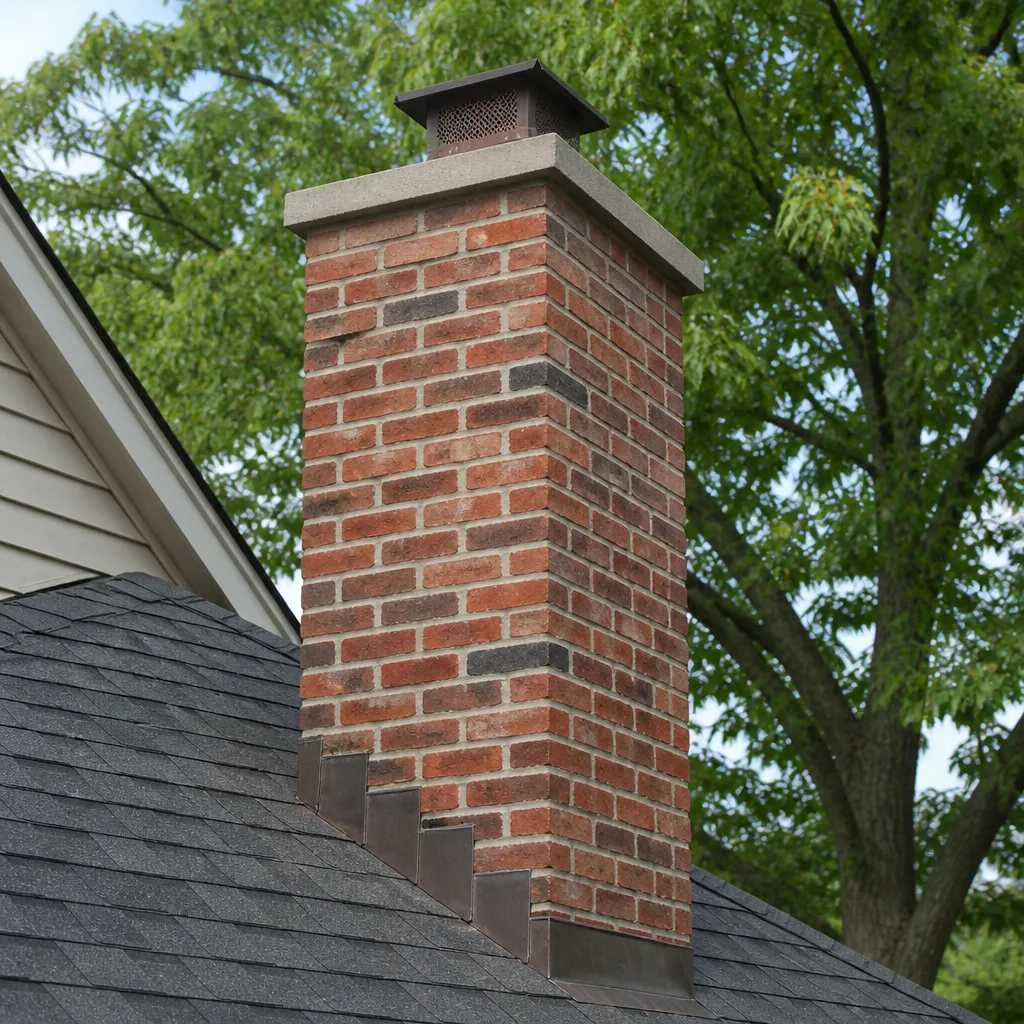 Masonry repair
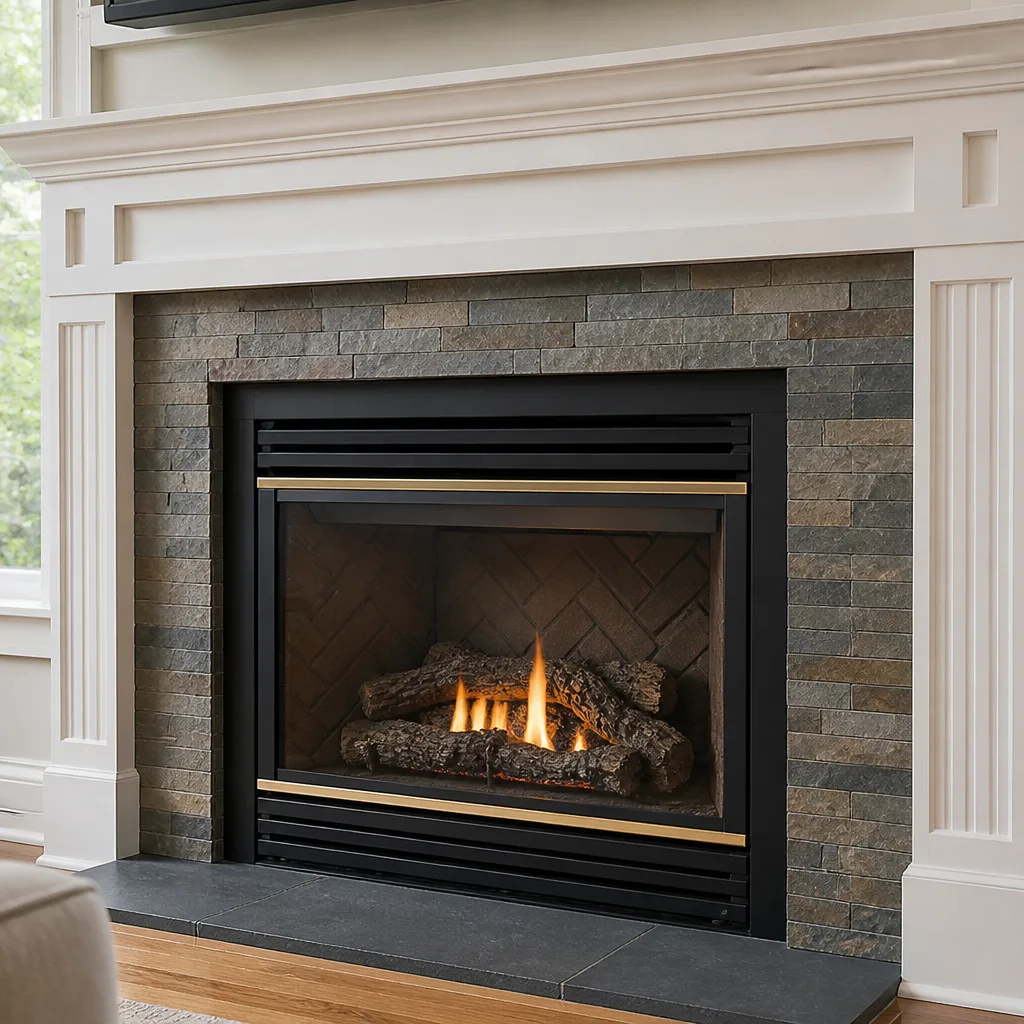 Gas fireplace service
Level 1 sweep and inspection to the NFPA 211 annual standard - flue, crown, cap, and flashing checked and photographed
Chimney sweep logs do not sweep chimneys. They loosen some creosote - which then falls where a brush and vacuum still have to collect it.
Chimney Cleaning Emergency Preparedness Guide for Boise City Homes
Here’s the part most homeowners get wrong: the emergency doesn’t start when you smell smoke in the living room. It starts weeks earlier, quietly, as creosote packs onto the flue walls during a cold Boise City winter. A chimney fire can burn at over 2,000°F inside the flue, hot enough to crack a tile liner and spread into wall framing, and the most common cause is creosote that built up past the point where a routine inspection would have flagged it. This guide covers the 72 hours before and after a chimney emergency: how deferred cleaning creates the conditions, how to recognize a chimney fire while it’s happening, and what professional response actually looks like in Boise City.
Quick Answer
A chimney emergency is almost always preventable with a routine sweep and inspection. If you suspect an active chimney fire, call 911 first, close the damper, get everyone out, and don’t use the fireplace again until a professional completes a Level 3 inspection. In Boise City, the safest approach is to sweep before burning season starts and inspect annually so creosote never reaches the dangerous stage.
Styles & brands we work with
- Sweep & inspection
- Caps & crowns
- Flue relining
- Masonry repair
- Gas fireplace service
Table of Contents
- How deferred cleaning creates chimney emergencies in Boise City
- How to recognize an active chimney fire
- The immediate action sequence when you suspect a chimney fire
- Post-fire protocol: why a Level 3 inspection comes first
- DuraFlex relining versus a full rebuild
- Prevention thresholds: creosote levels and inspection intervals
- Boise City burning habits and the seasonal risk window
- What professional emergency response looks like here
How deferred cleaning creates chimney emergencies in Boise City
Every chimney fire has a fuel source, and in a wood-burning system that fuel is creosote. Creosote forms when wood smoke cools against the flue walls and condenses into a sticky residue. Over a season of burning, that residue accumulates in layers. A thin glaze is normal after a handful of fires. A thick, tar-like buildup that’s cracked or blistered is what catches, and it catches fast once a hot ember or a sudden flare of flame touches it.
The problem is that creosote accumulation isn’t visible from the firebox. A homeowner in Boise City can burn through a winter, feel like the fireplace is working fine, and never see the layer building three feet up the flue. By the time it produces a visible sign, like smoke backing into the room or a persistent draft problem, the deposit is often thick enough to be a genuine hazard. Our chimney sweep work is largely about catching that accumulation at the one-inch stage rather than the three-inch stage.
What makes Boise City conditions a little unusual is the shoulder seasons. High desert evenings are cold enough in the early spring and late fall that people run a fire for a few hours, then let the chimney go cold until the next cool snap. Those short, repeated burns produce more creosote than a steady burn cycle, because the flue is warming up and cooling down constantly and smoke stays cooler longer. A homeowner who burns two cords in a steady winter actually tends to build less glaze than someone who burns half a cord in a dozen scattered sessions.
The takeaway is simple: what feels like a working fireplace can still be a chimney that’s 30 days from a real problem. The only way to know is a look down the flue, and that’s what a Chimney Sweep Boise City inspection gives you.
How to recognize an active chimney fire
An active chimney fire often sounds nothing like a fire in the firebox, and that’s the first thing that fools people. A roaring, rumbling sound like a freight train or a low-flying plane is the classic sign, but a low, breathy whoosh that sounds like a gas burner turned wide open is equally telling. If you hear a sound from inside the wall or directly overhead that isn’t coming from the firebox, treat it as a chimney fire until proven otherwise.
Watch for these signals:
- Sound: A low rumble, roaring, or a crackling that seems much louder and higher-pitched than normal combustion.
- Smell: A hot, sharp, almost chemical odor, or a sudden strong smoke smell with no visible smoke.
- Visible signs outside: Thick black or gray smoke from the chimney top, or flames shooting a foot or more above the chimney cap.
- Draft changes: The fire suddenly burns hotter and faster, or the room begins to smell of smoke with no new fire being lit.
- Heat: The chimney breast or wall surface gets noticeably hot to the touch, or a painted surface starts to blister.
A little chimney crackling during the first minute of a fire is normal as the flue warms. What isn’t normal is sustained roaring that continues past warm-up, or the dark, greasy smoke that often signals incomplete combustion in a creosote-loaded flue. If you’re unsure whether the sound is a chimney fire or a normal chimney noise, that uncertainty is itself a reason to call.
The immediate action sequence when you suspect a chimney fire
In the moment, seconds matter more than diagnosis. If you suspect an active chimney fire, the sequence below is what takes priority. Note what you don’t do: you don’t climb on the roof, you don’t pour water down the flue, and you don’t try to look inside first.
- Get everyone out. Move all people outside the home immediately. Call 911 from outside if possible.
- Close the firebox doors and the damper. Starve the fire of air from below, and close the damper to reduce the draft that feeds the chimney. Doing this before you leave the room helps more than anything else you can do inside.
- Do not use water. Pouring water into a hot, thick-walled flue can cause thermal shock and crack the liner, and it can’t reach the fire load anyway.
- Do not go up on the roof. A chimney fire can produce visible smoke that makes homeowners reach for a ladder. That’s the last thing you want to be doing. Leave it to the fire department.
- Watch from outside. Use the smoke and flame height at the chimney top to communicate what you see to the dispatcher.
- Once the fire department clears the home, do not use the fireplace. Not for the rest of the season, and not until a chimney sweep has inspected it.
That last step is the one people skip, and it’s where a contained chimney fire turns into a slow, expensive problem. Our team has worked this sequence from the inspection side enough times to know that a “small” chimney fire can crack a liner in a way you can’t see from the firebox.
Post-fire protocol: why a Level 3 inspection comes first
After a chimney fire, the chimney cannot be used again until a Level 3 inspection is completed. That’s not caution so much as basic cause and effect: a chimney fire burns hot enough to crack tile flue liners, warp metal flues, and separate a liner from its surrounding masonry or framing. None of that is visible from the firebox. A visual check from the hearth tells you nothing about the top of the flue or the back side of the liner.
A Level 3 inspection is the innermost examination a chimney professional performs, and it’s the right one after a fire. What it involves:
- Camera inspection of the full flue run from firebox to cap, not just the visible section.
- Assessment of the liner for cracks, spalling, and separations at every joint and bend.
- Checks inside wall cavities and adjoining materials when the chimney passes through a chase or a framed area, since heat damage to framing is the thing you most need to rule out.
- Evaluation of mortar joints, the chimney crown, and the cap for fire-related failure.
- Written findings and a photo or video record that you can keep and share with a second contractor if you want a second opinion.
We include camera inspection and a photo record as part of the work, so you can see exactly what we see. A chimney professional working in Boise City has a pretty straightforward job after a fire: find every point of damage, photograph it, and give you a clear plan. If the liner is still sound, use the fireplace again with confidence. If it isn’t, the next section covers the fix.
DuraFlex relining versus a full rebuild
An emergency repair after a chimney fire comes down to a choice between relining and a full rebuild. Relining is the more common path, and it’s the one we reach for whenever the outer chimney structure is intact. A full rebuild is reserved for cases where the surrounding masonry itself is damaged.
Here’s how the two paths compare:
- DuraFlex flexible liner installation is the standard repair when a tile liner is cracked or a fire has compromised the flue but the masonry shell is solid. DuraFlex is a professional-tier flexible liner system, not a hardware-store product, and it’s what certified chimney pros specify for its durability and code compliance. A typical relining job is compact compared to a rebuild and restores the chimney to safe service.
- HeatShield resurfacing is a leading resurfacing system we use when the liner has moderate damage, like joint deterioration or a rough interior, that a full liner replacement would be more than the job requires. It extends chimney life without going full liner, and it lets us keep the repair proportionate to the condition.
- Full rebuild is required when the outer flue tile is cracked through in multiple places, the chimney crown has collapsed, or the masonry itself has separated from the house. That’s the case where no internal liner repair solves the problem.
What determines the choice is the internal condition of the flue, and we don’t guess at it. A camera inspection tells us exactly which repair fits. If the liner has a single cracked section, HeatShield resurfacing is often enough. If the liner is gone or heavily compromised, DuraFlex relining is the safe path. If the whole structure is compromised, a rebuild is the honest answer, even though it isn’t the cheap one. Our chimney repair work runs the full range, and we specify materials from Copperfield and Famco, which are distribution brands chimney professionals actually work from.
Prevention thresholds: creosote levels and inspection intervals
Most chimney emergencies end before they begin if the homeowner respects two thresholds: the thickness of creosote in the flue and the interval between inspections. Industry guidance is to sweep when creosote reaches about 1/8 inch of buildup. That’s roughly the thickness of a couple stacked coins, and it’s the point where a sweep is standard practice rather than a judgment call. Once deposits reach 1/4 inch or more, especially the glazed, tar-like form, you’re in genuine chimney-fire territory.
A simple prevention schedule for Boise City homes:
- Inspect once a year. An annual inspection catches the growth early, before it becomes a sweep obligation or a hazard.
- Sweep before each burning season. Book your sweep before the first cold snap, not after the fireplace has run for six weeks.
- Sweep again mid-season if you burn heavily. Homes that burn more than a couple of cords in a season, or that burn green or unseasoned wood, should be checked at the halfway mark.
- Sweep after a chimney fire without exception. No exceptions, no use of the fireplace until a Level 3 inspection is done.
Wood quality matters here too. Seasoned, dry wood produces far less creosote than the green wood that’s tempting to buy late in the season. In Boise City’s dry climate, split wood seasons quickly if it’s stacked with airflow, so there’s really no excuse to burn wet wood. A few months of drying time behind a stack makes a measurable difference in how much glaze forms.
For an annual chimney sweep, most homes are on a spring or late-summer schedule and a second pass later in the season. Neither costs a fortune, and both are far cheaper than a liner. Call (833) 486-7115 to book a sweep before burning season. We answer 24/7. Fast dispatch from 7am to 7pm, Sunday through Friday.
Boise City burning habits and the seasonal risk window
Boise City’s burn window shapes chimney risk in specific ways. The cold months concentrate wood burning into a shorter season, which means a high volume of fires is packed into fewer weeks. Creosote accumulates faster per active month than it would in a climate that spreads burning across the year. That single factor is why the sweep-before-the-season habit matters more here than the “once every two years” advice some fireplace owners follow.
Three local habits drive most of what we see:
- First-fire enthusiasm. After a warm stretch, the first cold evening brings the first big fire of the year. If the flue wasn’t swept before that, the fire runs straight into last year’s creosote.
- Intermittent shoulder-season burning. Short, cool-evening burns in spring and autumn produce more condensate than a steady fire, so a fireplace that sees a few fires a week all fall builds its glaze without ever getting a hot, clean burn.
- Gas and furnace flue neglect. Homes with gas fireplaces or oil and gas furnace flues often skip annual inspection because there’s no visible fire to worry about. A flue is a flue regardless of what’s burning in it, and a blocked or degraded vent is a carbon monoxide risk as real as any fire hazard. Gas and oil flues should be inspected on the same yearly schedule.
Neighborhoods around Boise City that see heavier snow loads in a given winter tend to have a later burn season, and those homeowners should watch the calendar rather than the weather. Book the sweep early; you can always burn later.
What professional emergency response looks like here
What does a professional chimney response actually deliver after a fire? The short answer is a full inspection, a photo record, and a repair plan you can verify before you agree to anything. We don’t show up and tell you the chimney needs to be rebuilt. We show you the camera footage, identify each failure point, and explain which repair fits each kind of damage.
That camera inspection is the answer to the biggest hesitation most homeowners have: being told they need thousands of dollars of liner work with no way to see whether it’s true. Our technicians have up to 8 years of experience, and they walk through every finding with you. If the chimney is fine, we tell you so. If work can safely wait, we say that too. The written estimate is what sets the price, and the estimate is free.
Across Boise City, chimney emergencies are rare compared to ordinary maintenance. The routine sweep, the annual inspection, and the camera record are what keep them rare. If you’ve had a chimney fire, if you’ve just bought a home with a fireplace that hasn’t been inspected, or if you’re unsure whether your last fire was normal, the next call is the one that matters.
Common Mistakes to Avoid
- Running a fire on last season’s creosote. The first cold evening is exactly when a chimney that hasn’t been swept should be looked at, not lit. A sweep before burning season removes the risk before the fire has a chance to reach it.
- Waiting for a visible sign. Creosote doesn’t announce itself. By the time a homeowner notices smoke backing up or a persistent smell, the deposit is usually past the safe threshold. Get a camera inspection at least once a year regardless of how the fireplace feels.
- Assuming a gas fireplace is safe from creosote. It is, but a blocked or degraded vent is still a serious carbon monoxide risk. Gas and furnace flues need the same annual inspection attention as a wood flue.
- Climbing on the roof after a fire. A suspected chimney fire is not the time for a roof inspection. A fire-hot flue and an unstable cap are two reasons a homeowner’s ladder can be the most dangerous thing on the property.
- Burning green or damp wood to save money. Wet wood burns cool and produces more creosote, which is exactly the condition that turns a minor creosote layer into a chimney fire. Seasoned wood is the cheaper choice once you account for the sweep schedule.
- Treating a chimney fire as a one-time scare. Once you’ve had one, the liner cannot be trusted without a Level 3 inspection. The fire may look contained from the hearth while a cracked liner hides behind the masonry.
- Hiring the cheapest bid without camera documentation. A cheap sweep that doesn’t include a camera inspection or a written quote leaves you guessing. Ask for the photo record, the estimate, and the brand of any liner being installed.
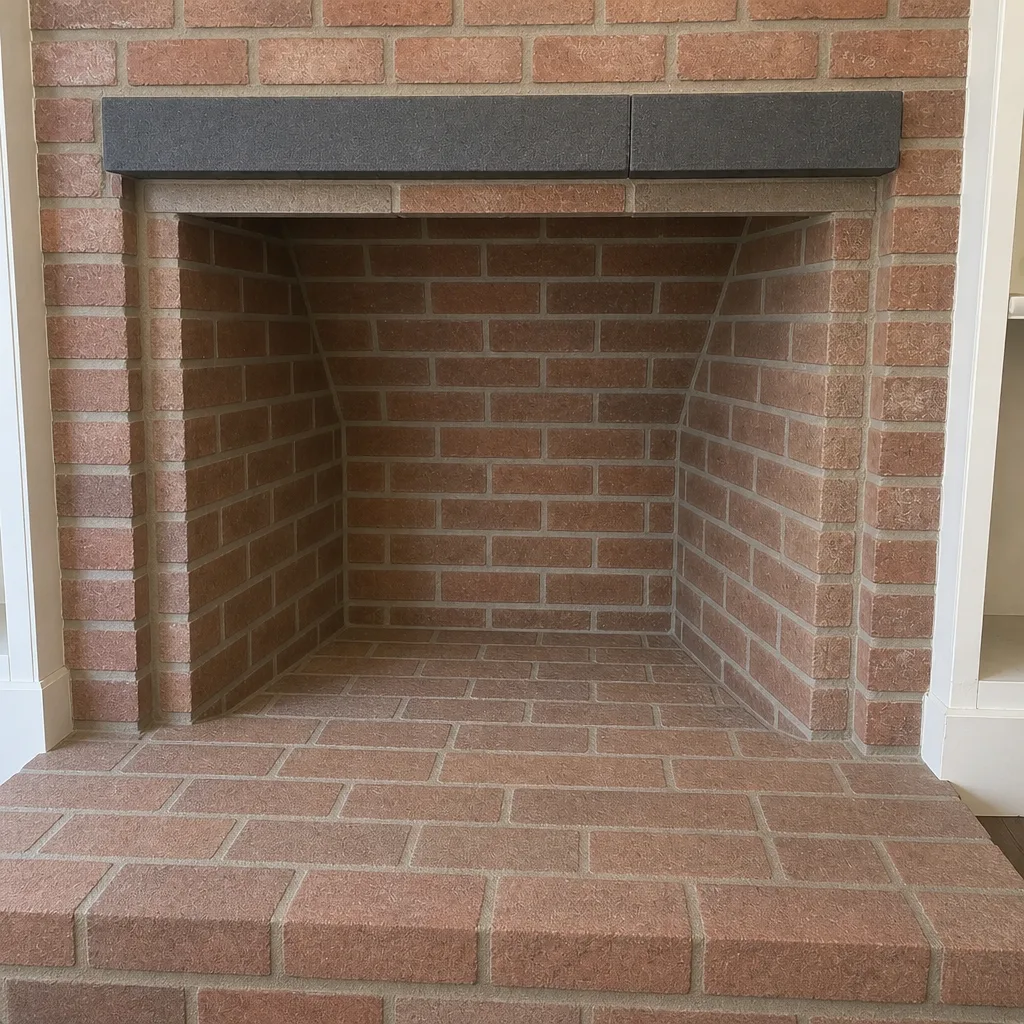
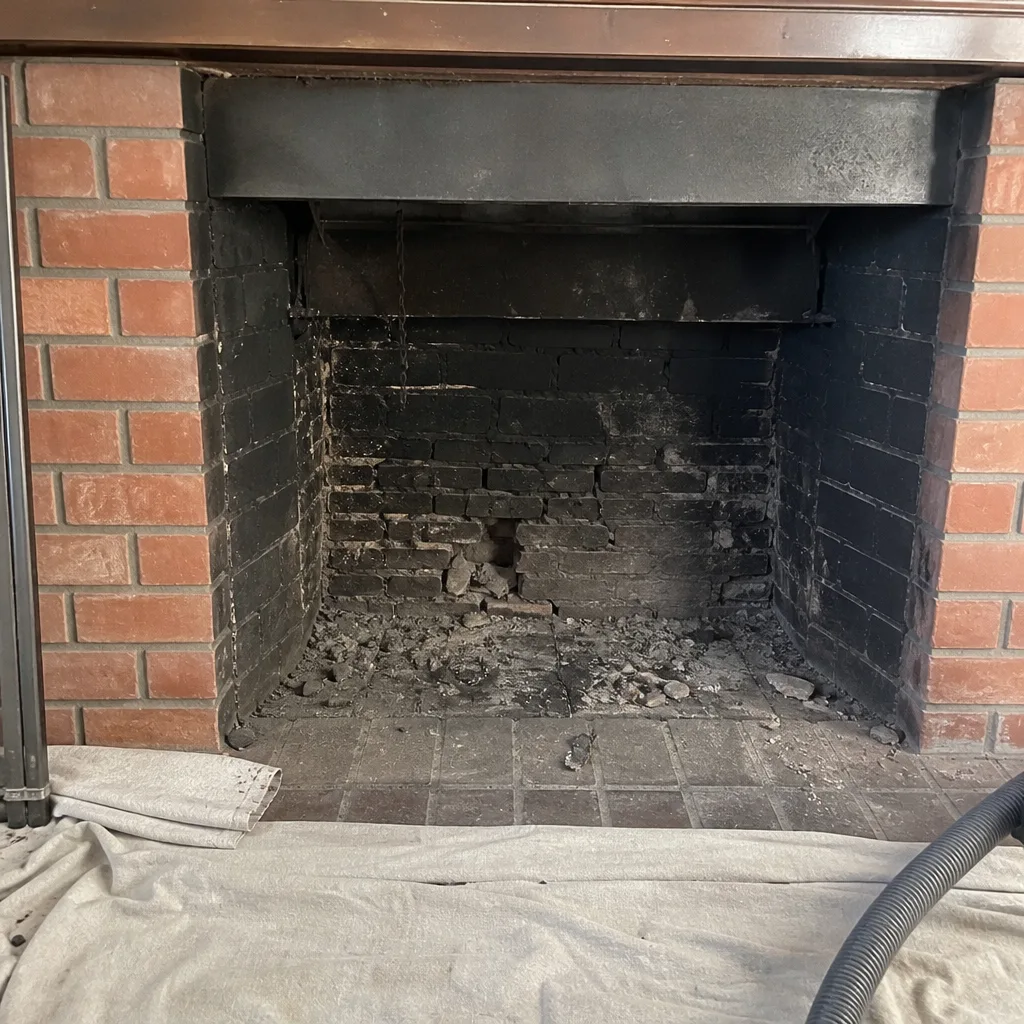
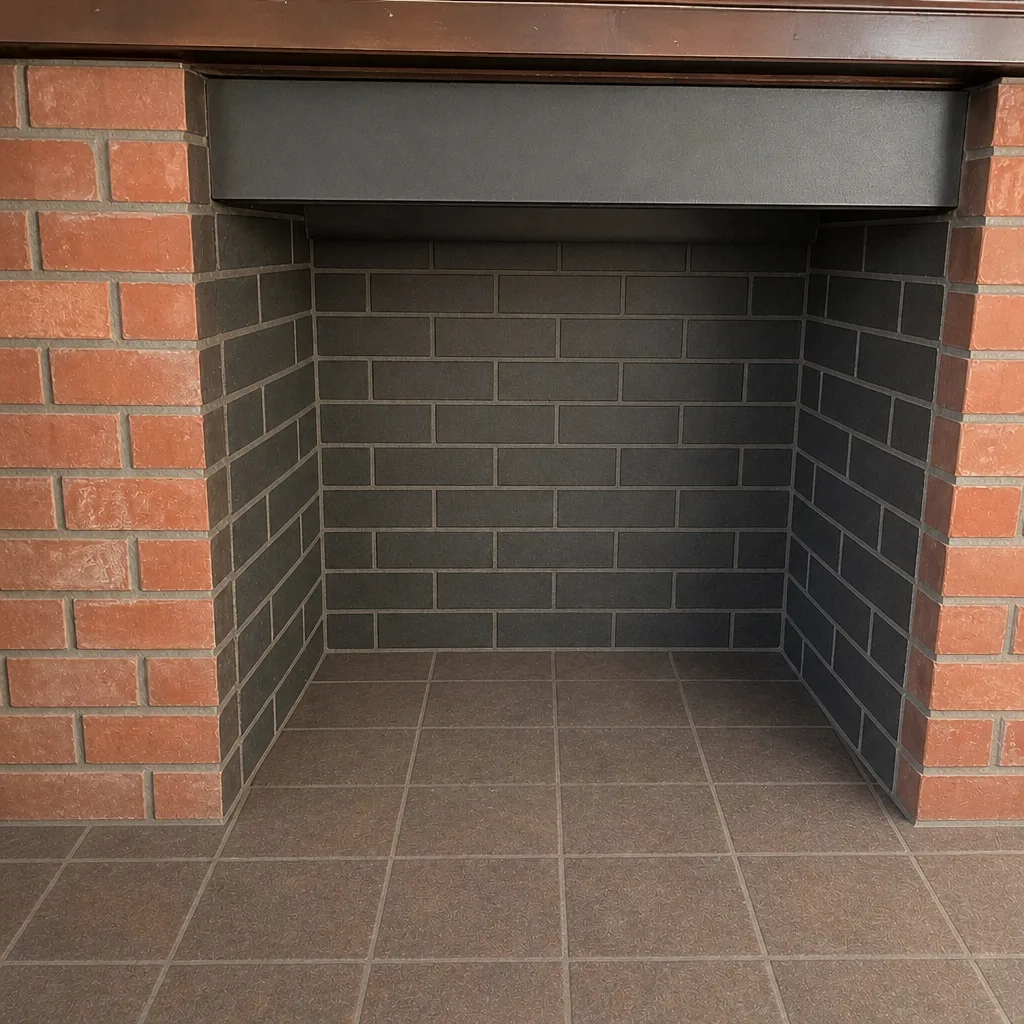
See the difference
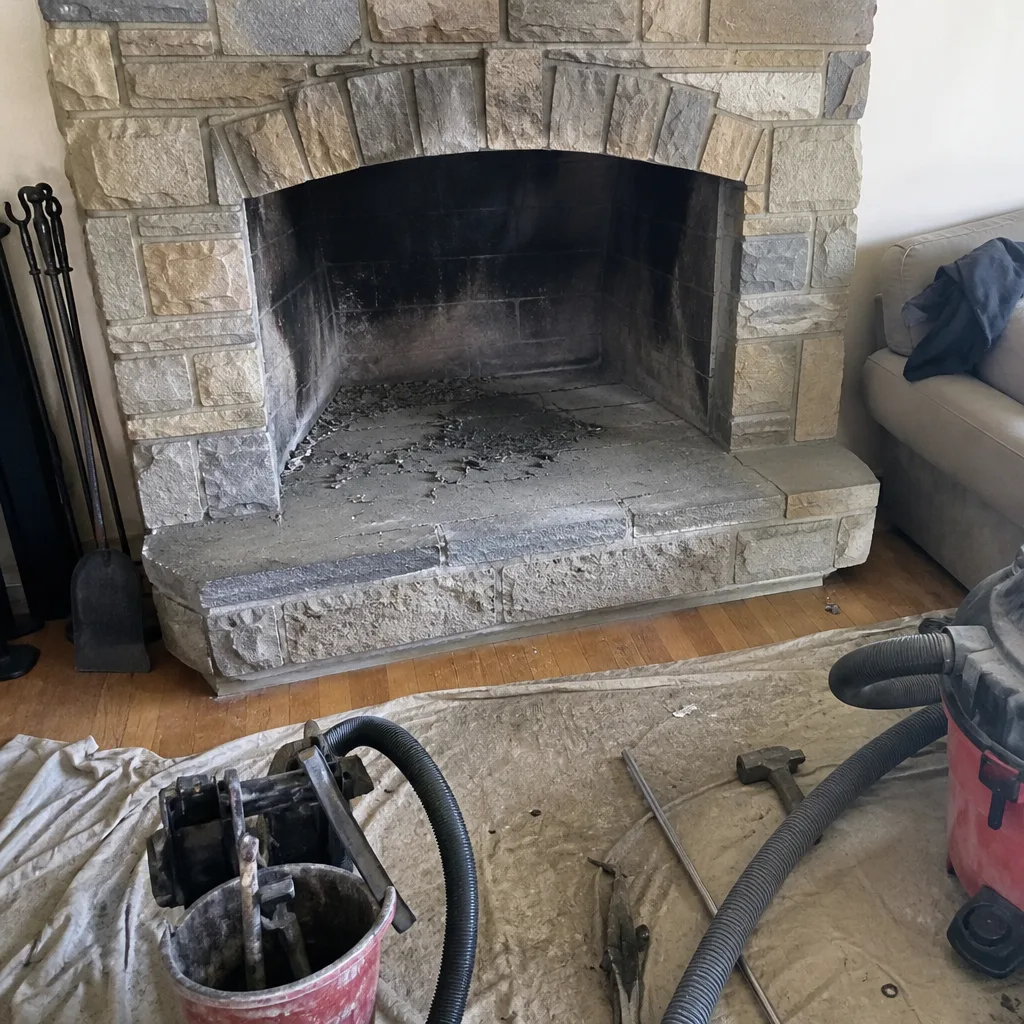 Before
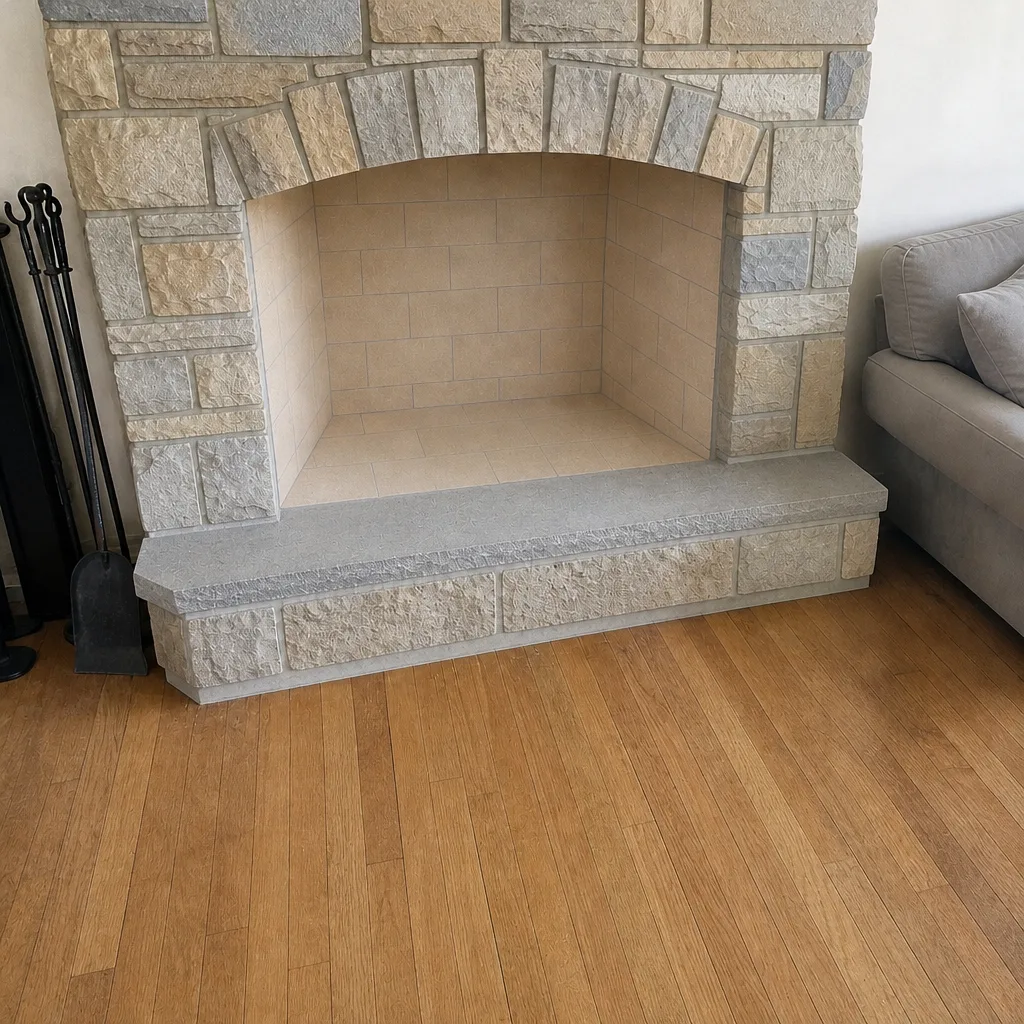 After
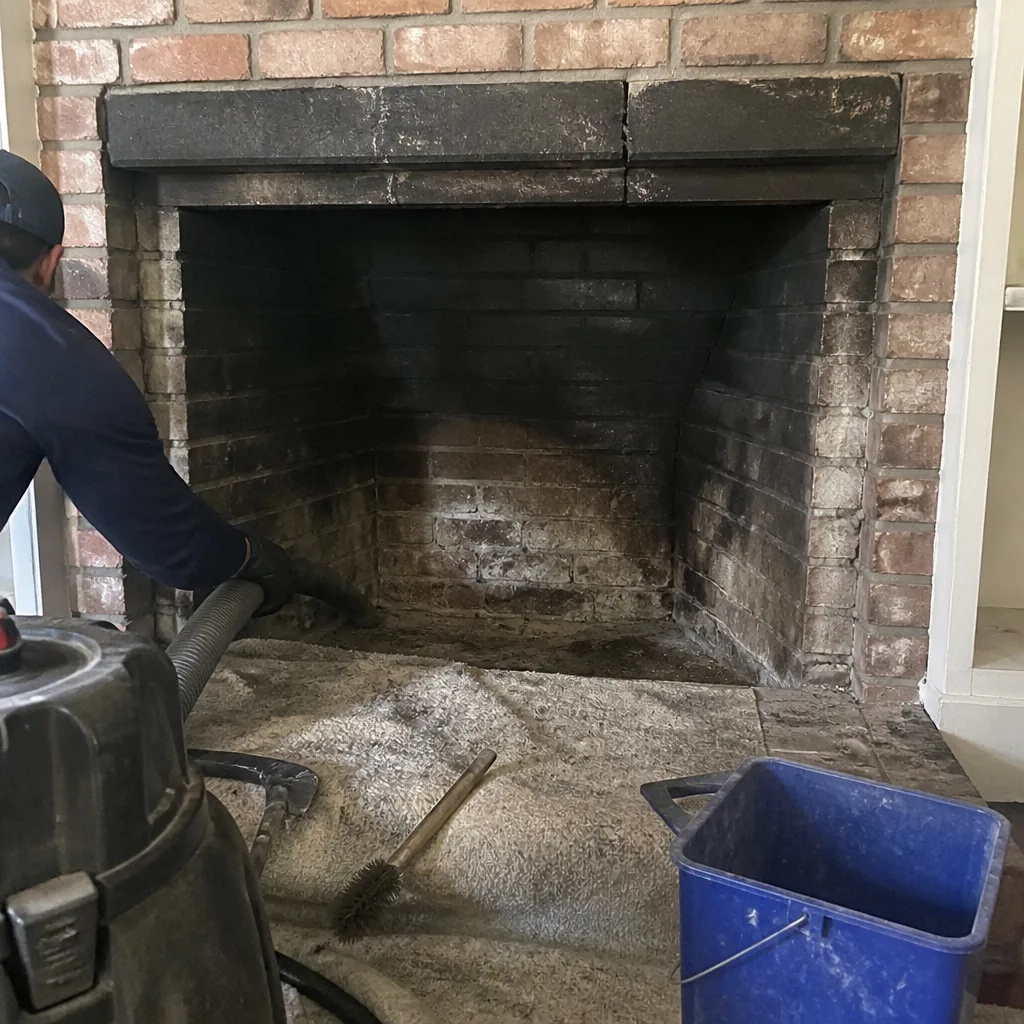 Before
 After
 Before
 After
When to Call a Professional
Call a chimney professional if you’ve had a chimney fire, heard an unusual roar or whoosh from the flue, noticed smoke backing into the room with no obvious draft issue, or seen a liner or mortar joint from inside the firebox that looks cracked or eroded. Call before the first burn of the season if the chimney hasn’t been swept since last winter, and call immediately if a chimney fire just happened; the chimney isn’t safe to run again until a Level 3 inspection. Chimney Sweep Boise City offers free estimates in Boise City. Call (833) 486-7115. We answer 24/7. Fast dispatch from 7am to 7pm, Sunday through Friday.
Frequently Asked Questions
Listen for a roaring, rumbling, or low whooshing sound from the flue that you don’t hear in normal combustion, and look for thick black smoke or flames rising above the cap. Any of these signs, combined with a hot chimney breast or a strong smoke smell, means treat it as an active fire and call 911. For an exact quote on inspection or repair afterward, call (833) 486-7115.
No. A chimney that has had a fire cannot be used again until a Level 3 inspection confirms the liner and structure are sound. Reusing it risks a carbon monoxide leak, a second fire, or heat reaching wall framing through a cracked liner. Call (833) 486-7115 for an inspection after the fire is out.
Often yes. A DuraFlex flexible liner installs inside the existing flue when the outer masonry is intact, and HeatShield resurfacing addresses moderate liner damage without full replacement. A full rebuild is reserved for cases where the masonry itself has failed. Call (833) 486-7115 for an exact quote.
Inspect once a year and sweep when creosote reaches about 1/8 inch, which is roughly once per burning season for most wood-burning homes in Boise City. Homes that burn more than a couple of cords or that burn intermittently across shoulder seasons should also schedule a mid-season sweep. Call (833) 486-7115 to book a sweep.
Creosote keeps building past the safe threshold, and a hot ember or a sudden flare can ignite it. The fire can burn above 2,000°F inside the flue, hot enough to crack a liner and reach wall framing. A routine sweep and annual inspection remove that risk before it has a chance to start. Call (833) 486-7115 for an exact quote, estimates are free.
A gas fireplace doesn’t produce creosote, but its flue still needs an annual inspection for blockage, corrosion, or vent degradation, since a failing vent can let carbon monoxide into the home. Oil and gas furnace flues face the same risk and deserve the same yearly check. Call (833) 486-7115 to book an inspection.
The Bottom Line
Chimney fires almost always trace back to a creosote buildup that a routine sweep would have caught. In Boise City, the cold-season concentration makes that buildup happen faster than many homeowners expect, especially across intermittent shoulder-season burns. The core protections are simple: sweep before burning season, inspect at least once a year, and treat any roaring, rumbling, or smoke from above the flue as an active fire. If a chimney fire happens, stop using the chimney until a Level 3 inspection clears it, and rely on a camera record to see exactly what needs fixing. Call (833) 486-7115 for a free estimate. We answer 24/7. Fast dispatch from 7am to 7pm, Sunday through Friday.
Written by the team at Chimney Sweep Boise City.